
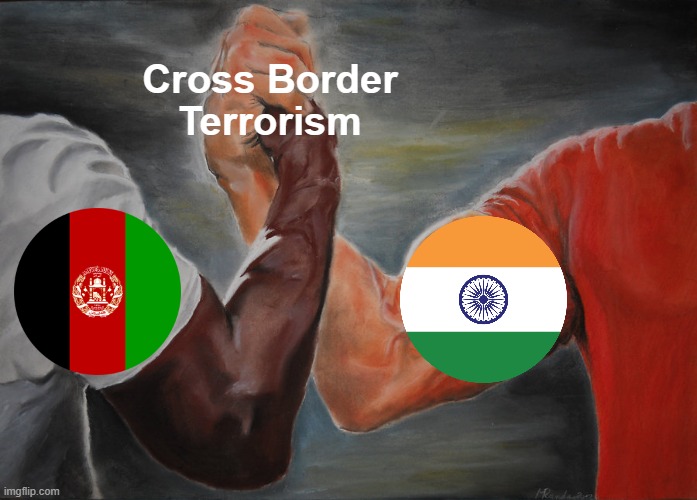
Two recent Western attacks highlight troubling similarities that analysts say may reflect a spillover of militant influences from Afghanistan into Europe and North America. The occurrences cited are the December 14 Bondi Beach shooting in Sydney and the November 26, 2025 ambush on U.S. National Guard members in Washington, D.C. Each case shows how extremists may be drawing on shared tactics and networks, and how such links could be strengthened by evolving regional dynamics in Afghanistan and India–Afghanistan relations. In Bondi, an Indian-origin father-son attackers used firearms and attempted a homemade IED that failed to detonate, a pattern consistent with TTP-style tactics. In Washington, Rahmanullah Lakanwal, an Afghan national from Khost Province—a known militant hotspot—carried out a targeted shooting, with investigators noting indications of prior radicalization. Analysts emphasize that both cases may reflect the spillover of militant ecosystems operating in Afghanistan, contextualized by late-2025 high-level ministerial visits and cooperation that signal warming Delhi–Kabul ties. Some critics argue this alignment could indirectly enable groups like the TTP, which United Nations reports say retain sanctuaries in eastern Afghanistan. Investigations remain ongoing, but the emerging pattern raises concerns about transnational radicalization and the spread of incendiary tactics to Western security environments. While the sources vary in certainty, the shared thread is clear: evolving militant networks continue to adapt and migrate, challenging conventional defenses and stressing the need for vigilance, cooperation, and credible counter-radicalization efforts across borders.


No comments yet. Be the first to comment!

Your trusted source for breaking news, in-depth analysis, and comprehensive coverage of today's most important stories.
Get daily updates on breaking news, exclusive interviews, and special features delivered to your inbox.
Have a news tip or want to get in touch with our editorial team? We're here to help.
Plot C3-C Jaypee Wishtown Sector 129 Noida Uttar Pradesh 201304 India