
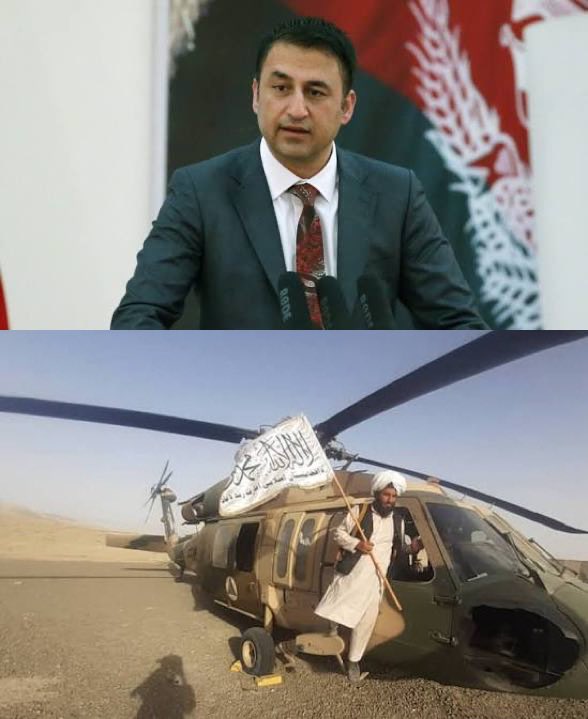
" :Ex-NDS chief Ahmad Zia Saraj warns the Taliban air force faces severe degradation, with Helicopters repairs costing $3.5M per unit. While #Russia offered paid maintenance rising resistance strains their remaining fleet. The regime lacks funds as it pays heavy stipends to militant commanders to ensure loyalty slashing payouts risks internal revolt leaving their helicopters grounded amid escalating conflict."
Amidst an escalating conflict and severe internal strains, former Chief of Afghanistans National Directorate of Security (NDS), Ahmad Zia Saraj, has issued a pressing warning regarding the Taliban's air force capabilities. With an eye on the operational effectiveness of their helicopter fleet, Saraj highlighted the steep costs associated with repairs and maintenance. Each helicopter repair could cost a daunting $3.5 million, creating an enormous financial burden as the Taliban governance faces mounting economic challenges.
The Taliban's air force, while initially considered a strategic asset, is now at a critical juncture. Saraj pointed out that with Russia offering paid maintenance services, the Taliban's operational capability is further strained due to limited resources. The regimes financial situation is exacerbated by the need to pay hefty stipends to militant commanders, which are essential for securing their loyalty. This diversion of funds leads to a precarious balancing act; any cuts to these stipends could risk internal dissent and challenge the regime's stability.
The situation has garnered attention from various international observers. There is a cautious optimism among some analysts that the degradation of the Taliban's air capabilities could provide opportunities for diplomatic engagement or encourage resistance factions within Afghanistan to rally against the current regime. However, responses from countries like Russia remain crucial. Their willingness to negotiate maintenance agreements could either bolster the Talibans operations or expose deeper fractures within their military capabilities.
As the Taliban regime navigates these critical challenges, the future remains uncertain. Internal stability hinges on their ability to maintain loyalty among key military leaders, all while managing a fleet of helicopters that is becoming increasingly antiquated. The situation calls for a constructive international dialogue that could foster greater stability within Afghanistan. Analysts advocate for a multi-faceted approach that incorporates economic assistance alongside diplomatic negotiations, aimed at supporting the Afghan populace and encouraging moderate forces within the country.


No comments yet. Be the first to comment!

Your trusted source for breaking news, in-depth analysis, and comprehensive coverage of today's most important stories.
Get daily updates on breaking news, exclusive interviews, and special features delivered to your inbox.
Have a news tip or want to get in touch with our editorial team? We're here to help.
Plot C3-C Jaypee Wishtown Sector 129 Noida Uttar Pradesh 201304 India