
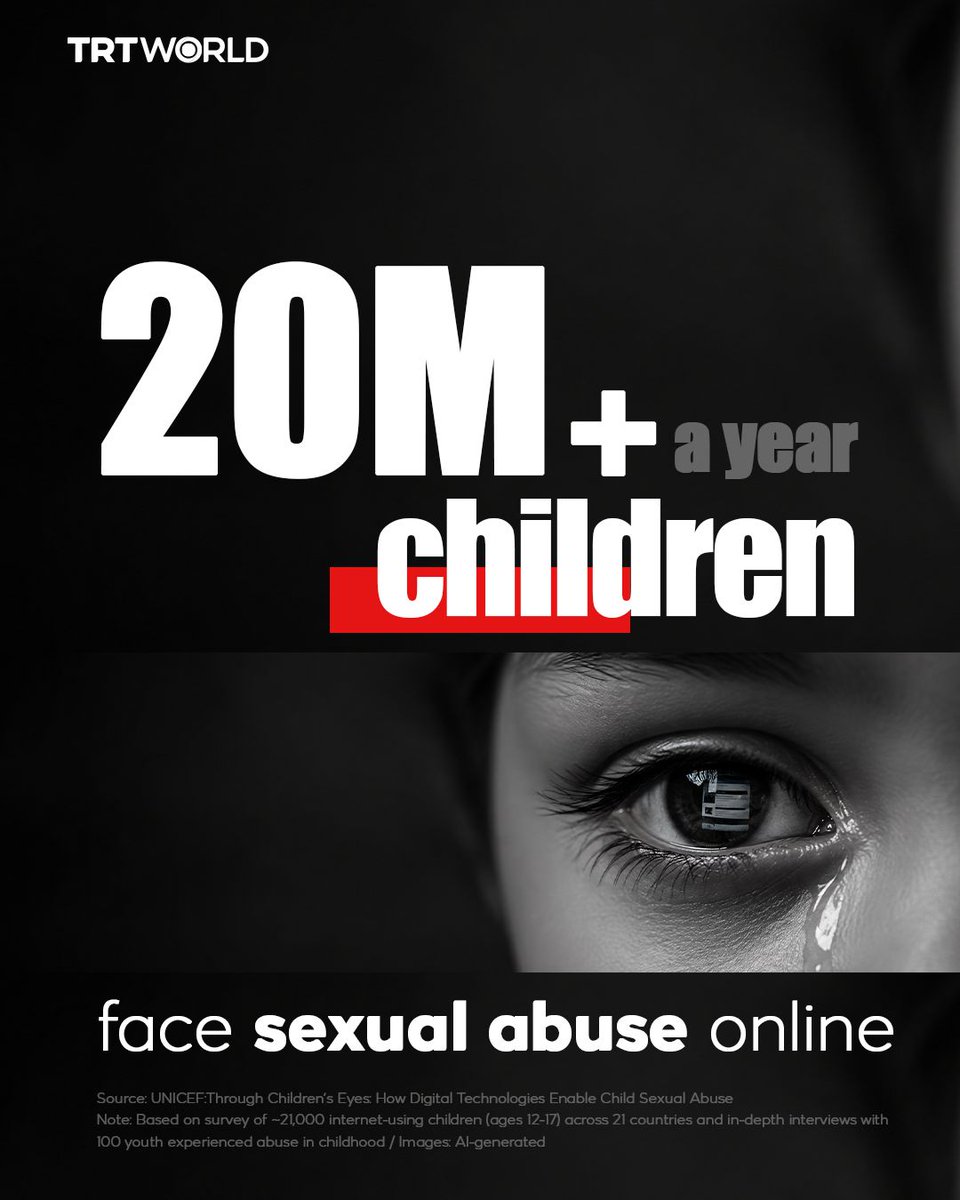
"More than 20 million children experienced at least one form of technology-facilitated sexual exploitation and abuse in a single year on platforms they used every day, often at the hands of someone they knew, UNICEF has reported https://t.co/N5PfSVGzAa"
In a startling revelation, UNICEF has reported that over 20 million children worldwide experienced technology-facilitated sexual exploitation and abuse in a single year. These alarming figures highlight a disturbing trend in our increasingly digital world, where children frequently engage with various online platforms. The report underscores that a significant number of incidents stem from interactions with familiar individuals, thereby complicating the typical record around online threats.
The data indicates that the vulnerability of children to exploitation has escalated due to the rise in digital technologies, mobile devices, and social media platforms. While technological advancements have provided numerous educational and social opportunities, they also have created new risks. Experts stress the need for comprehensive digital literacy programs aimed at educating both children and guardians about safe online practices. Moreover, as connecting digitally becomes an everyday routine for children, fostering their resilience to potential threats is of utmost importance.
In response to these alarming statistics, various international organizations, governments, and child welfare agencies have begun to take action. Many countries are introducing stricter regulations and guidelines for online platforms to ensure better protection of children. Collaborations between law enforcement agencies and tech companies are also being forged to develop advanced monitoring systems to detect abusive behavior before it escalates. While there is still a long way to go, such initiatives mark a promising step towards a safer digital environment for children.
As we move forward, stakeholders across sectors must remain vigilant in combating this growing concern. An increase in investment in technology education programs, combined with robust protective measures from governments, holds the potential for creating a safer online space. Furthermore, involving children in the conversation about their online experiences can empower them to speak out against exploitation. By fostering a collaborative approach among parents, educators, and policymakers, a unified front can be established to safeguard children in the digital age, transforming risks into opportunities for growth and security.


No comments yet. Be the first to comment!

Your trusted source for breaking news, in-depth analysis, and comprehensive coverage of today's most important stories.
Get daily updates on breaking news, exclusive interviews, and special features delivered to your inbox.
Have a news tip or want to get in touch with our editorial team? We're here to help.
Plot C3-C Jaypee Wishtown Sector 129 Noida Uttar Pradesh 201304 India