
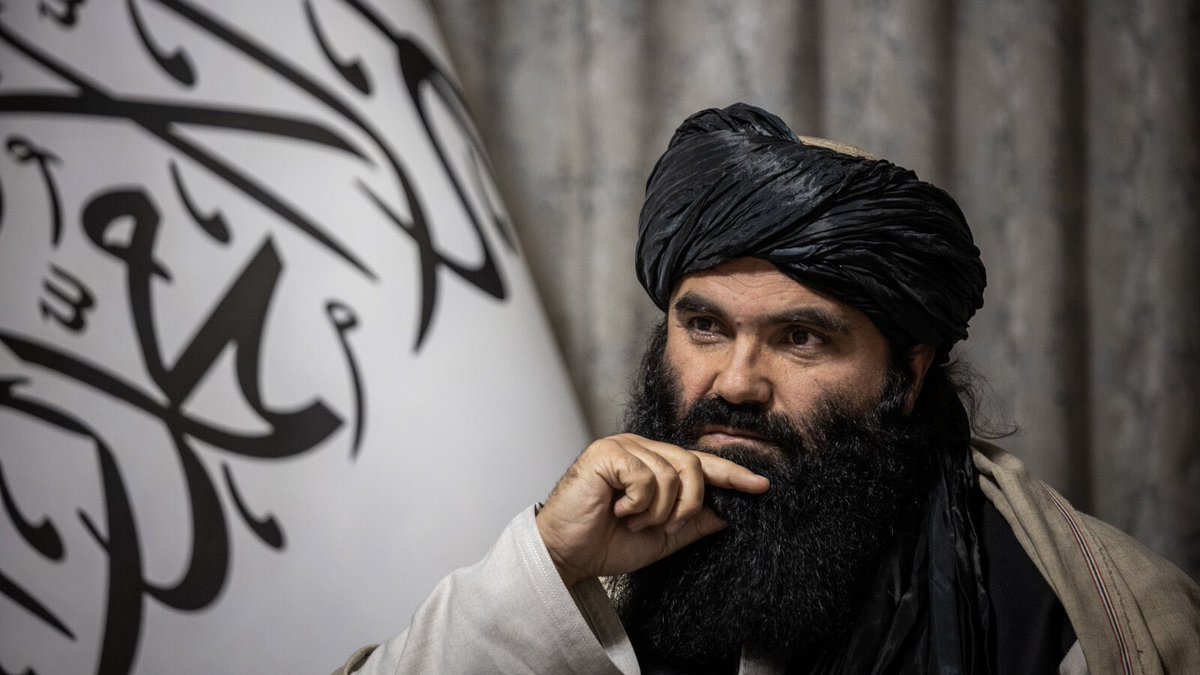
"Sirajuddin Haqqani, speaking at a public event, openly confessed that the Afghan Taliban harbours suicide bombers in Afghanistan: When I opened my first suicide bomber base in Waziristan, Pakistan the first person who registered was Hayatullah Ghaznawi now asking for a high position in the government. Kabul is officially integrating bombers into its state machinery."
In a startling revelation, Sirajuddin Haqqani, a prominent figure in the Afghan Taliban, publicly admitted to the presence of suicide bombers within Afghanistan. At a recent public event, Haqqani recounted the establishment of what he termed as his 'first suicide bomber base' in Waziristan, Pakistan. This statement has raised significant concerns about the Talibans operational strategies and their implications for regional stability.
Haqqani's statement can be interpreted in multiple ways. It not only reveals the Taliban's intention to formalize the role of suicide bombers within their military and political framework but also reflects a troubling trend of integrating extremist tactics into state machinery. The mention of Hayatullah Ghaznawi, who reportedly seeks a high-ranking governmental position, underscores the normalization of such radical elements within the Talibans leadership ranks.
This move could be perceived as an attempt by the Taliban to consolidate power and establish authority through fear, potentially leading to increased acts of violence both in Afghanistan and the broader region. However, it also highlights the challenges the Taliban faces in governance and the need to engage with various factions to maintain stability.
The international community's response to Haqqanis confessions has been one of cautious monitoring. Countries such as the United States and those in the European Union have expressed concern over the Taliban's embrace of extremist tactics, calling for a renewed focus on counter-terrorism measures. Diplomatic efforts are ongoing, aimed at preventing a resurgence of terrorism that could destabilize not only Afghanistan but also its neighboring regions.
While some nations are pressing for a more hardline stance against the Taliban, others advocate for a balanced approach that encourages dialogue with moderate elements within the Afghan government. This reflects a recognition of the complex socio-political landscape of Afghanistan, where complete isolation may not yield positive results.
As Afghanistan navigates this precarious path forward, it is essential to foster an environment that promotes constructive dialogue within its leadership. The Taliban could potentially engage in peace talks aimed at integrating various factions of society, including those previously associated with violent extremism. Building an inclusive government could pave the way for economic development and improve the livelihoods of everyday Afghans.
Ultimately, the challenge remains: How can Afghanistan move beyond the shadow of extremism and develop a stable, functioning government? Global and regional powers must play a role in supporting this transition, encouraging policies that prioritize peace, development, and the curtailing of violence.

No comments yet. Be the first to comment!

Your trusted source for breaking news, in-depth analysis, and comprehensive coverage of today's most important stories.
Get daily updates on breaking news, exclusive interviews, and special features delivered to your inbox.
Have a news tip or want to get in touch with our editorial team? We're here to help.
Plot C3-C Jaypee Wishtown Sector 129 Noida Uttar Pradesh 201304 India