
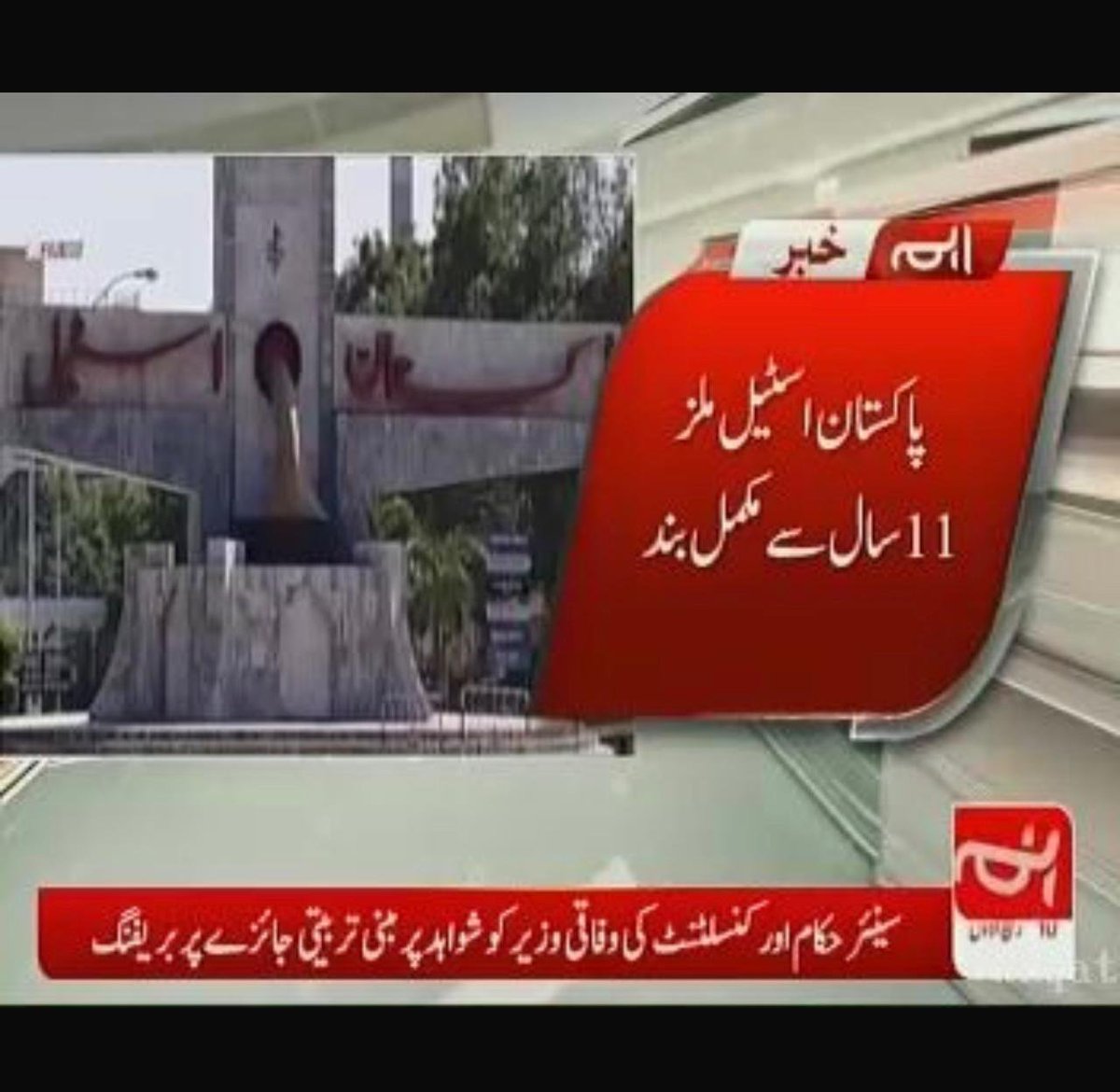
"When Politics Trumps the State: The Anatomy of a CollapsePakistan Steel Mills has been completely shut down for 11 years, having last reported a profit of Rs9.5 billion back in 2008. According to official documents, the federal government pumped a staggering Rs58 billion https://t.co/CHrgLnNPLJ"
Pakistan Steel Mills (PSM), once a cornerstone of the nations industrial landscape, has been inactive for over a decade. Last reporting a profit of Rs9.5 billion in 2008, the mill has since faced a devastating decline. Official documents reveal that the federal government has invested a staggering Rs58 billion into the facility without seeing any return. Evidently, this downturn illustrates the concerns surrounding public sector enterprises and the impact of political mismanagement.
The operational collapse of PSM exemplifies the classic struggle between politics and productive governance. The mill's downfall can be attributed to various factors, including corruption, nepotism, and a lack of strategic vision. Political influence and bureaucratic inefficiencies have prevented PSM from adapting to modern industrial practices and investments. However, it is important to acknowledge that Pakistan's industrial potential remains vast, with the right governance. The challenges that PSM faced might serve as critical lessons. As new leadership emerges, there is an opportunity to implement reforms that could rejuvenate the steel industry and improve the technological infrastructure necessary for success.
The international community has been observing Pakistans economic landscape with keen interest. Countries that have successfully revived similar industries are willing to share best practices and investment strategies. Collaborations with nations that have a track record of efficiently managing state-owned enterprises could provide a pathway to revitalize PSM. Positive global sentiment towards Pakistans initiatives for economic reform may attract foreign investments, which could inject much-needed capital into not only PSM but also other struggling sectors.
The future of Pakistan Steel Mills hinges on implementing systematic reforms and fostering a culture of accountability. While the past offers a cautionary account, it also presents an opportunity for a reinvention. Engaging experts in public enterprise management and attracting foreign partnerships may prove essential in the revival process. Moreover, Pakistans burgeoning young workforce could be invaluable in implementing new technologies and methods. If directed correctly, PSM could rise from the ashes, inspired by a renewed sense of purpose in aligning with the fabric of Pakistans economic revival.


No comments yet. Be the first to comment!

Your trusted source for breaking news, in-depth analysis, and comprehensive coverage of today's most important stories.
Get daily updates on breaking news, exclusive interviews, and special features delivered to your inbox.
Have a news tip or want to get in touch with our editorial team? We're here to help.
Plot C3-C Jaypee Wishtown Sector 129 Noida Uttar Pradesh 201304 India