
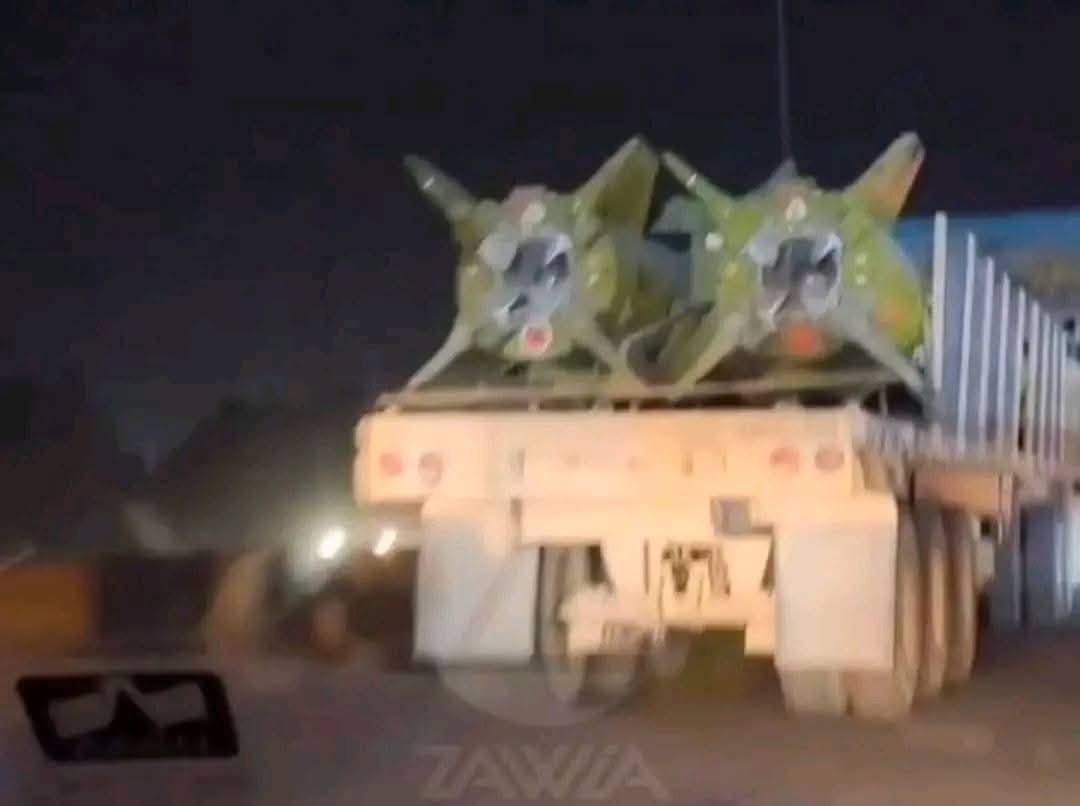
"The Afghan Taliban were seen deploying Soviet-era ballistic missiles including the R-17 Scud-B and 9K52 Luna-M toward the Pakistani border after losing hundreds of border posts during Pak Afghan border clashes in Oct 2025. https://t.co/KrwlV313Rq"
In late October 2025, clashes along the Pak-Afghan border intensified, leading to significant territorial losses for the Afghan Taliban. In response, the Taliban has reportedly deployed Soviet-era ballistic missiles, specifically the R-17 Scud-B and 9K52 Luna-M, toward the border with Pakistan. This development raises concerns regarding regional stability and the potential for further conflict.
The deployment of these missiles signals a desperate attempt by the Taliban to assert military capability and deter further losses. The Scud-B, with a range of approximately 300 kilometers, and the Luna-M, with a slightly shorter range, pose a considerable threat not only to border security but also to the civilian areas within Pakistan. Military analysts suggest that while the Taliban's decision to leverage such weaponry may be aimed at reinforcing their position, it could also lead to unintended escalatory actions that might provoke strong responses from Pakistani defense forces.
International reactions have been varied, with several nations urging restraint from both sides. Countries within the region, including India and Iran, have expressed their apprehensions regarding the Taliban's military escalations. The United Nations has called for open dialogue and de-escalation of tensions to avoid a larger conflict that could disrupt the fragile stability in South Asia. Diplomatic initiatives are being proposed, focusing on constructive engagement and management of border security issues, rather than military confrontation.
Moving forward, it is essential for both the Afghan Taliban and Pakistani authorities to engage in proactive dialogue to mitigate the potential fallout from the missile deployment. Constructive communication channels can help in addressing grievances that have arisen due to border skirmishes and the loss of territorial control. The humanitarian impact of any potential escalation cannot be ignored; hence regional cooperation is imperative to foster peace and stability. In doing so, both nations can avoid the cycle of violence that has historically plagued the region, paving the way for a more collaborative and peaceful future.


No comments yet. Be the first to comment!

Your trusted source for breaking news, in-depth analysis, and comprehensive coverage of today's most important stories.
Get daily updates on breaking news, exclusive interviews, and special features delivered to your inbox.
Have a news tip or want to get in touch with our editorial team? We're here to help.
Plot C3-C Jaypee Wishtown Sector 129 Noida Uttar Pradesh 201304 India