
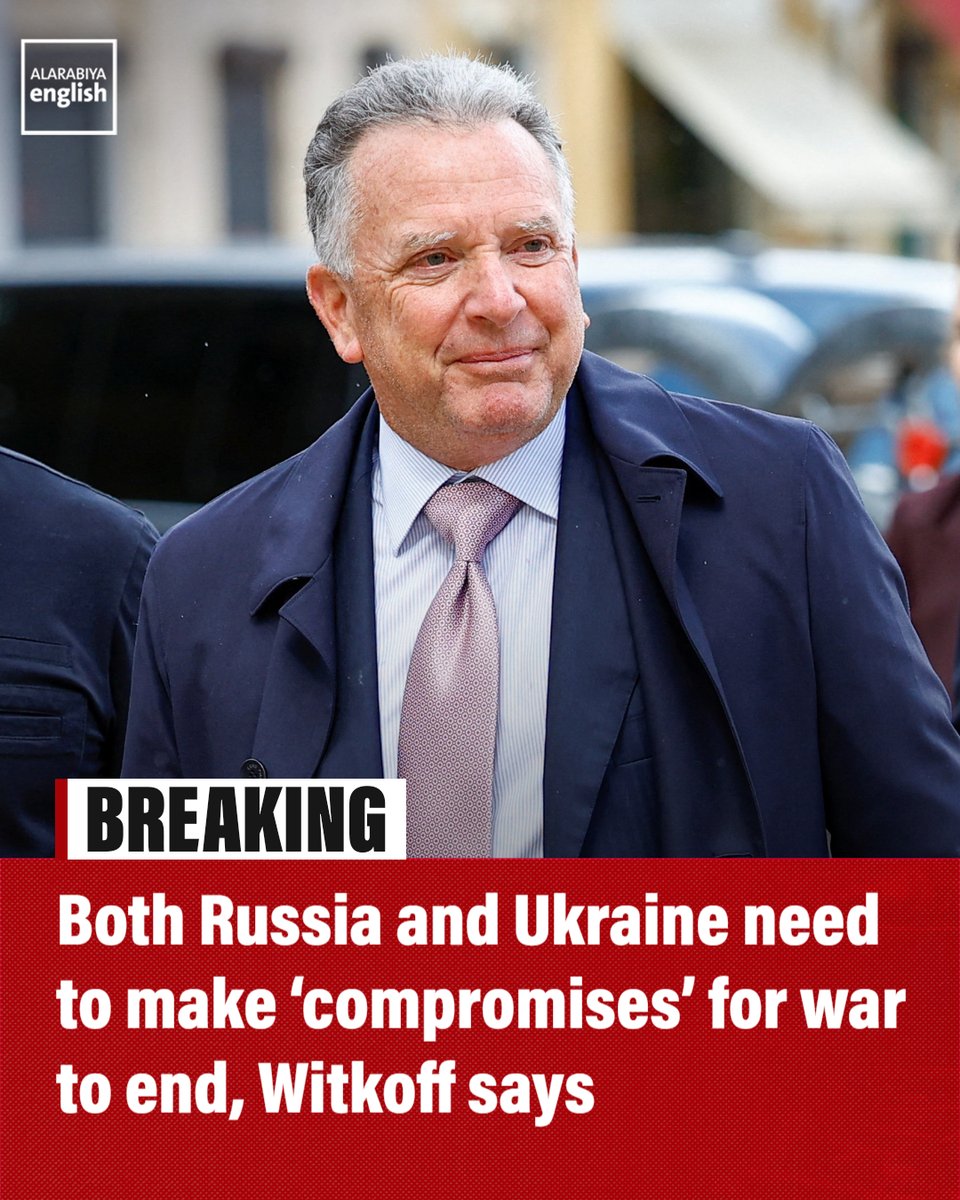
"BREAKING: US envoy Steve Witkoff says both Russia and Ukraine need to make compromises to end more than four years of war after holding talks with both Ukraines Volodymyr Zelenskyy and Russias Vladimir Putin. https://t.co/jJOjkad4d7"
In the past four years, the conflict between Russia and Ukraine has wrought significant devastation, both human and economic, across the region. Initiated in 2014, this conflict has not only affected the nations directly involved but has also instigated a broader geopolitical upheaval. As the conflict drags on, the need for dialogue and compromise has become increasingly apparent, a sentiment echoed by U.S. envoy Steve Witkoff following his recent discussions with both Ukrainian President Volodymyr Zelenskyy and Russian President Vladimir Putin.
Witkoffs assertions highlight a crucial turning point in the ongoing negotiations. His calls for compromise suggest that both sides recognize the futility of a prolonged standoff. Analyzing the positions of both nations indicates that neither can achieve a decisive victory without facing significant costs. With both leaders meeting with Witkoff, there lies an opportunity for dialogue that is long overdue. The envoy emphasized the need for both countries to consider concessions not just for immediate peace, but for lasting stability in the region.
The international community is keenly observing these discussions. NATO members and the European Union have been active in promoting dialogue while providing support to Ukraine. However, sanctions on Russia remain a sticking point in the resolution process. Many nations, having witnessed the humanitarian toll of the conflict, are advocating for a negotiated settlement that prioritizes peace over continued strife. It is essential for the U.S. and its allies to support a balanced approach that respects Ukraine's sovereignty while encouraging Russia to engage constructively.
As the discussions unfold, both nations must recognize the urgency of the situation. The potential for a redefined relationship hinges on meaningful compromises. The U.S., through its envoy, is positioned to facilitate a dialogue that addresses the core grievances on each side. Looking ahead, it is imperative that both countries remain open to understanding each other's perspectives. Success in these talks could pave the way for a more stable and peaceful Eastern Europe, and could also set a precedent for conflict resolution strategies worldwide.


No comments yet. Be the first to comment!

Your trusted source for breaking news, in-depth analysis, and comprehensive coverage of today's most important stories.
Get daily updates on breaking news, exclusive interviews, and special features delivered to your inbox.
Have a news tip or want to get in touch with our editorial team? We're here to help.
Plot C3-C Jaypee Wishtown Sector 129 Noida Uttar Pradesh 201304 India