
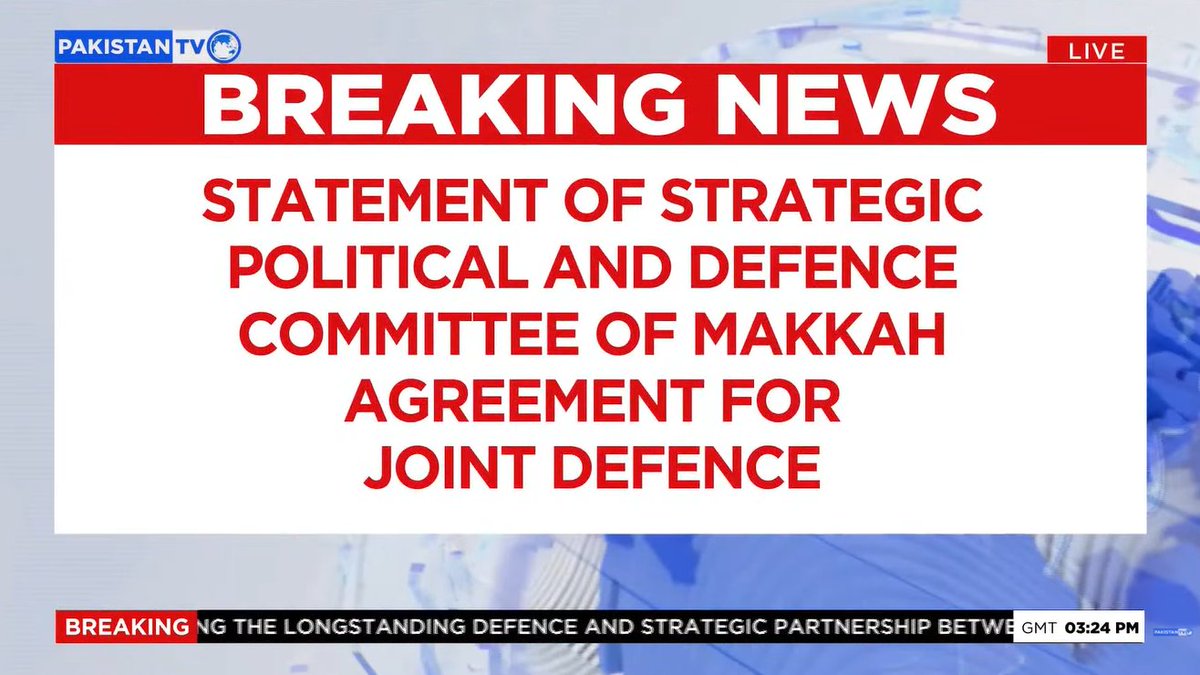
"#BREAKING Pakistan, Saudi Arabia and Turkiye have reiterated their determination to work together within the framework of the Makkah Agreement for Joint Defence. The three countries agreed to further institutionalize cooperation, including establishing a secretariat in Saudi Arabia, to be headed by a Secretary General from Pakistan for an initial three-year term.#Pakistan #SaudiArabia #Turkiye #MakkahAgreement #PakistanTV"
The Makkah Agreement, a strategic pact aimed at fostering defence cooperation among Pakistan, Saudi Arabia, and Turkiye, has gained renewed momentum as the three nations reaffirm their commitment to collaborate on security and military matters. Since its inception, this agreement has aimed to address regional security challenges collectively while building a robust framework for mutual defence.
The latest discussions among the leaders of these countries have resulted in a concrete plan to institutionalize their cooperation further. The agreement to establish a secretariat in Saudi Arabia, which will be led by a Secretary General from Pakistan for the initial three years, signifies a shift towards a more structured approach to multilateral defence collaboration. This move is particularly promising for Pakistan, as it positions the nation in a key leadership role within this tripartite framework, enhancing its diplomatic standing and influence in the region.
Balanced insights suggest that such partnerships are essential in todays geopolitical climate, characterized by complex security dynamics and threats. The collaboration among Pakistan, Saudi Arabia, and Turkiye may serve as a model for regional cooperation, showcasing the importance of interconnectedness among Muslim nations.
The international community's response to this fortified alliance has largely been positive, emphasizing the potential for enhanced stability in the region. Many observers are optimistic that the Makkah Agreement will foster a spirit of solidarity among Muslim countries while also promoting dialogue aimed at addressing common threats, including terrorism and extremism.
Furthermore, major players in the international arena, including Western nations, are likely to keep a close eye on these developments, as an integrated defense framework among Turkey, Saudi Arabia, and Pakistan could impact power dynamics in South Asia and the Middle East. Collaborative efforts may also attract economic partnerships focused on development, trade, and security enhancing initiatives.
As Pakistan, Saudi Arabia, and Turkiye move forward with the implementation of the Makkah Agreement, the potential for a transformative impact on regional defence architecture is significant. Looking ahead, the success of this initiative will rely on the effective management of the secretariat and the willingness of the three nations to engage in transparent dialogue and joint training exercises.
In conclusion, the reinvigorated commitment under the Makkah Agreement not only provides a pathway for deepening military cooperation but also stands as a testament to the power of unity among Muslim nations. The collaborative efforts of Pakistan, Saudi Arabia, and Turkiye may pave the way for enhanced peace and stability in the broader region.


No comments yet. Be the first to comment!

Your trusted source for breaking news, in-depth analysis, and comprehensive coverage of today's most important stories.
Get daily updates on breaking news, exclusive interviews, and special features delivered to your inbox.
Have a news tip or want to get in touch with our editorial team? We're here to help.
Plot C3-C Jaypee Wishtown Sector 129 Noida Uttar Pradesh 201304 India