
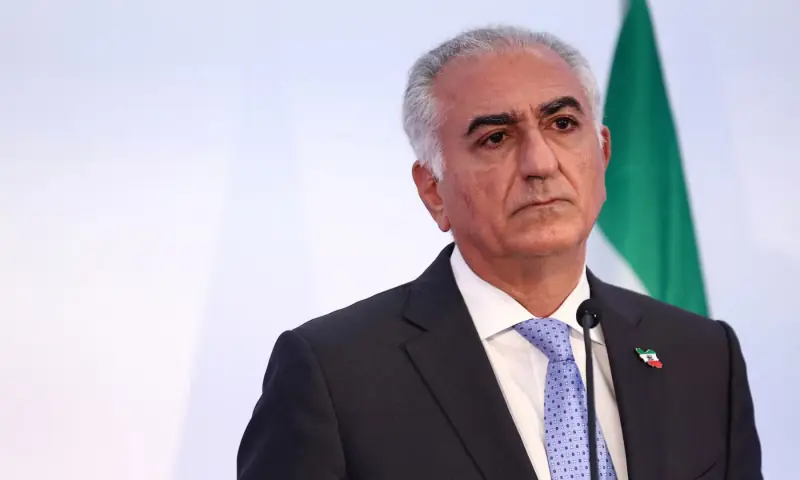
While Iran has grappled with widespread deadly protests for the past two weeks, Reza Pahlavi, the US-based son of Iran’s ousted shah, Mohammad Reza Pahlavi, has once again emerged as an anti-government figurehead.
The protests began on December 28 in response to soaring prices, before turning against the authorities in Iran, who have governed since the 1979 Islamic Revolution. However, Supreme Leader Ayatollah Ali Khamenei has expressed defiance and blamed the United States.
Pahlavi has urged Iranian government workers and security forces to join the swelling protest movement. He has also hinted at his plans to return to Iran at a time that he believed was “very near”.
He has even requested US President Donald Trump, who has repeatedly threatened to get involved if force is used on protesters, to “be ready to intervene to help the people of Iran”.
So what links does Pahlavi have to Iran’s history, and what are the stakes for him in establishing a role in the ongoing crisis?
Born in Tehran on Oct 31, 1960, as the heir to the late Shah of Iran Mohammad Reza and Empress Farah Pahlavi, Reza Pahlavi was officially named crown prince at the age of seven.
He has lived in exile since his father was ousted by the 1979 revolution, a year before he died.

No comments yet. Be the first to comment!

Your trusted source for breaking news, in-depth analysis, and comprehensive coverage of today's most important stories.
Get daily updates on breaking news, exclusive interviews, and special features delivered to your inbox.
Have a news tip or want to get in touch with our editorial team? We're here to help.
Plot C3-C Jaypee Wishtown Sector 129 Noida Uttar Pradesh 201304 India