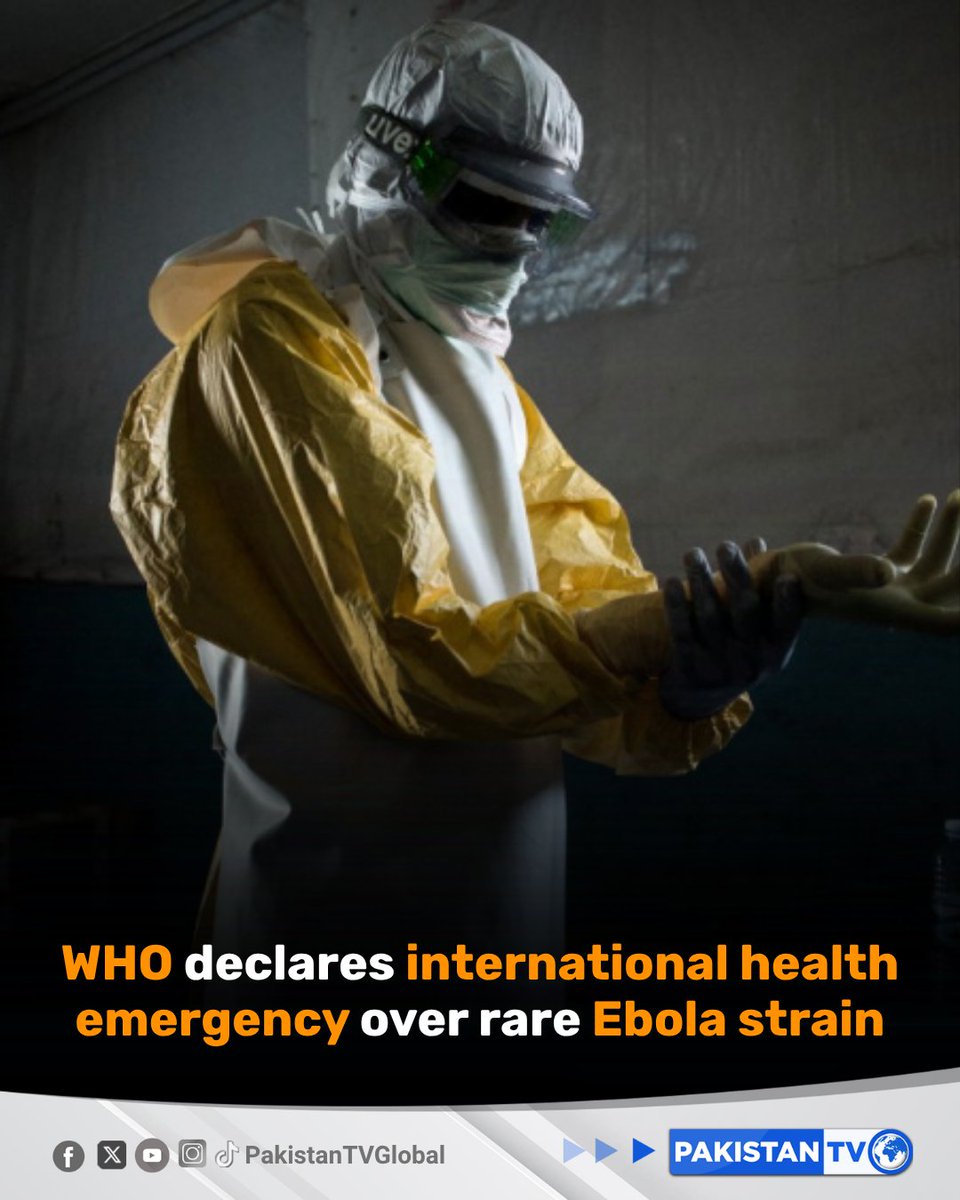
The World Health Organization has declared a Public Health Emergency of International Concern (PHEIC) over a rare Ebola strain that has killed dozens in the Democratic Republic of Congo. This designation signals a grave level of risk and calls for a coordinated global response, but it stops short of labeling the outbreak a pandemic. A PHEIC mobilizes international funding, technical expertise, and accelerated access to diagnostics and vaccines, while urging neighboring countries to strengthen surveillance and cross-border cooperation. The outbreak exposes ongoing weaknesses in local health systems, delays in reaching isolated communities, and the spread of misinformation that can hamper containment. While effective vaccines exist for Ebola, challenges such as vaccine supply, cold-chain logistics, and distribution in remote areas can slow deployment. In my view, this should be a wake-up call for sustained investment in public health infrastructure, transparent risk communication, and equitable access to life-saving tools. Declaring a pandemic at this stage may be premature given current transmission patterns, but the threat remains real, and complacency would be costly. The coming weeks will reveal whether the international community follows through with a coordinated, adequately funded, and culturally informed response or settles for reactionary measures that fall short of true containment.
Source: Statement from @PakTVGlobal
Public Engagement: 91 views
Published: May 16, 2026, 8:49 pm
Editorial Note: This article is based on publicly available information and official statements. We strives for accuracy and fairness in all reporting.