
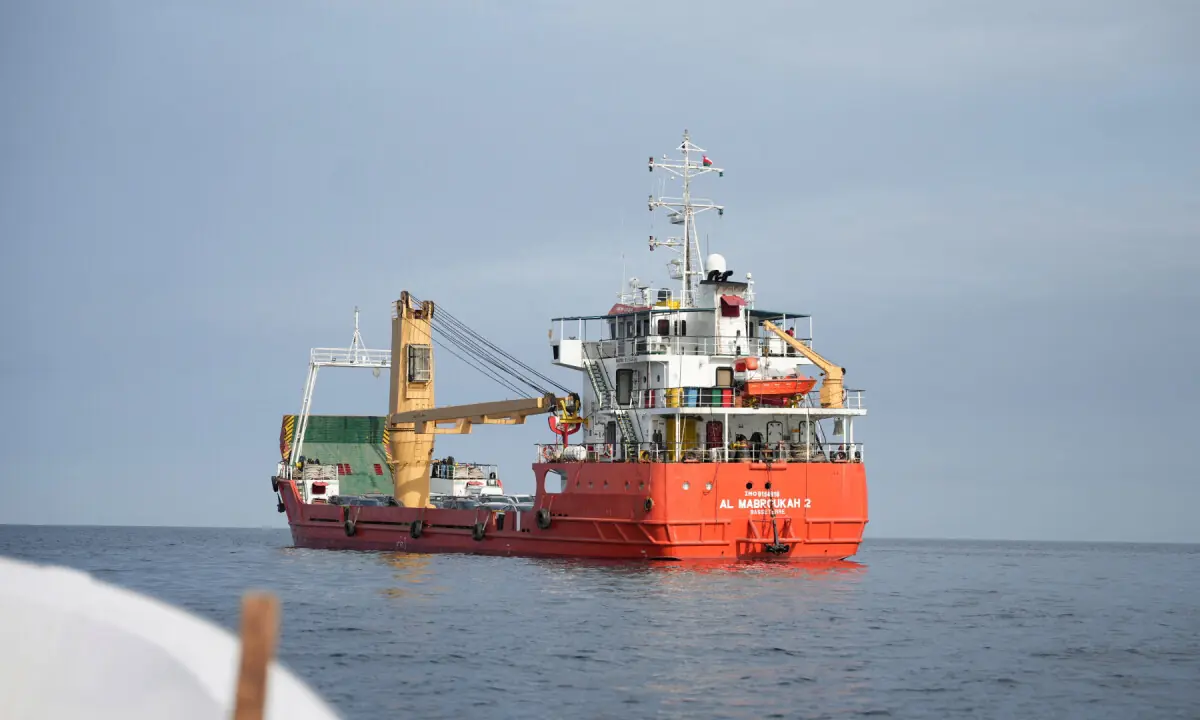
The US military said it would block shipping traffic in and out of Iran’s ports starting at 10am ET (7pm PKT) on Monday, a move that would prevent roughly two million barrels of Iranian oil a day from entering the world’s markets, further tightening global supply.
Here are details on the planned blockade and its implications for oil markets.
After weekend peace talks in Islamabad between negotiators from the US and Iran ended without a deal, US President Donald Trump said the US Navy “will begin the process of BLOCKADING any and all ships trying to enter, or leave, the Strait of Hormuz”.
The US military’s Central Command (Centcom) later said the blockade would only apply to ships going to or from Iran, including all Iranian ports on the Gulf and Gulf of Oman.
US forces would not impede freedom of navigation for vessels transiting the Strait of Hormuz to and from non-Iranian ports and additional information would be provided, it said.
Iran’s Revolutionary Guards responded to Trump by warning that military vessels approaching the strait would be considered a ceasefire breach and dealt with harshly and decisively.
Retired Admiral Gary Roughead, a former chief of US naval operations, cautioned that Iran could fire on ships in the Gulf or attack the infrastructure of Gulf states that host US forces.
Blocking Iranian shipments would disconnect a significant source of oil from the world’s markets.
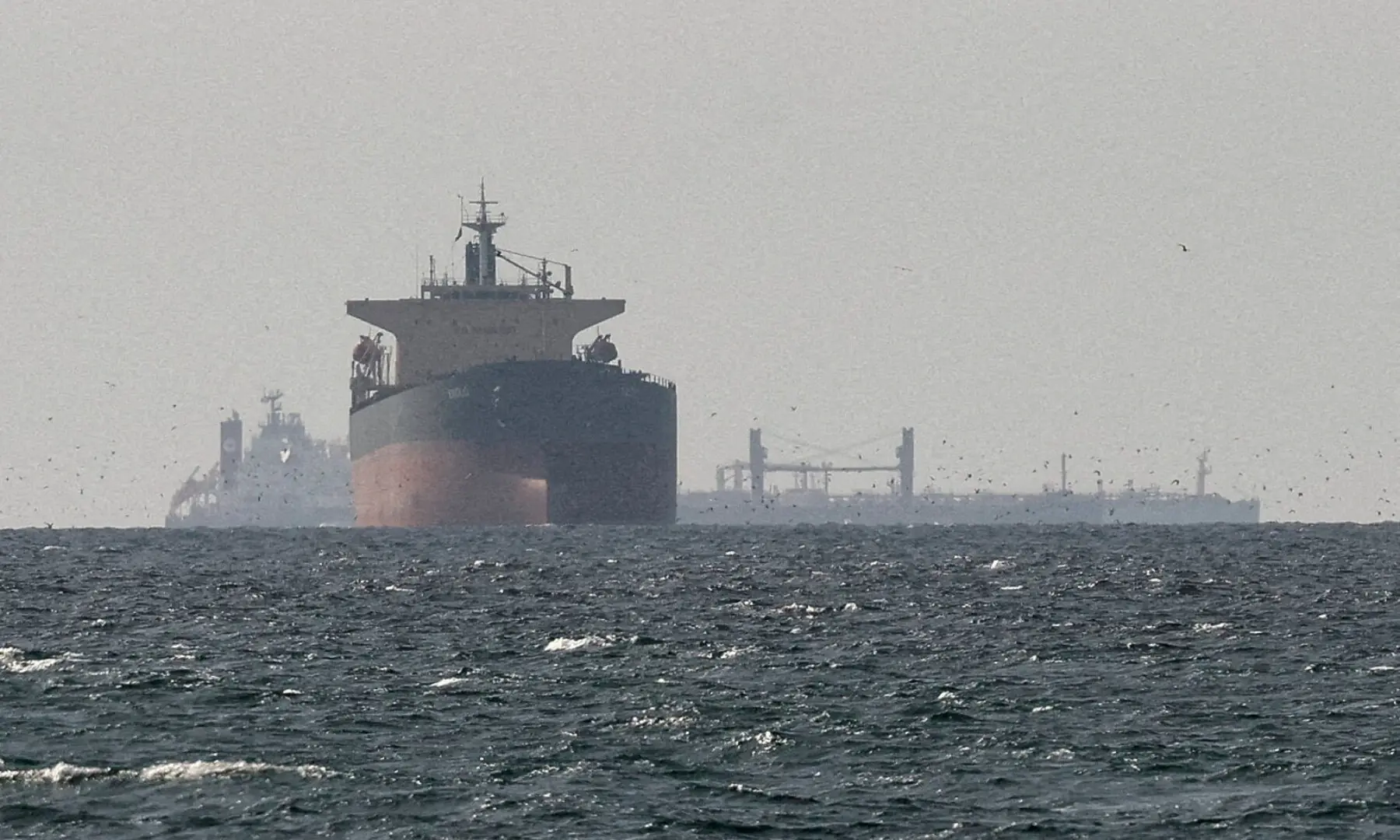
India is set to receive its first crude shipment from Iran in seven years this week, ship tracking data from LSEG and Kpler showed on Wednesday.
Before the war, roughly 20pc of global oil and natural gas exports were shipped through the Strait of Hormuz, with most cargoes headed to Asia, the largest importing region.

No comments yet. Be the first to comment!

Your trusted source for breaking news, in-depth analysis, and comprehensive coverage of today's most important stories.
Get daily updates on breaking news, exclusive interviews, and special features delivered to your inbox.
Have a news tip or want to get in touch with our editorial team? We're here to help.
Plot C3-C Jaypee Wishtown Sector 129 Noida Uttar Pradesh 201304 India