📰 News Analysis & Summary
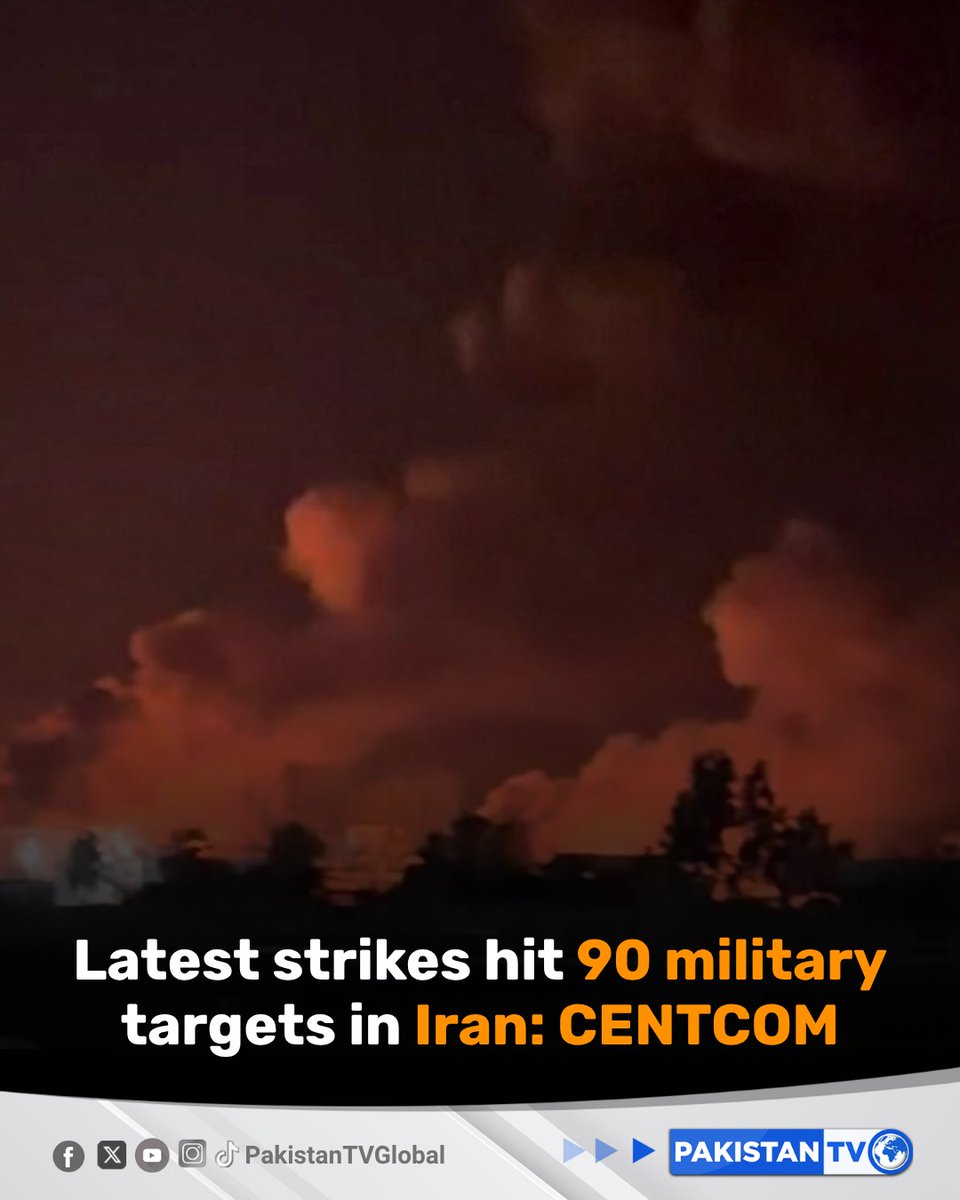
In a dramatic escalation of hostilities, US Central Command (CENTCOM) announced that its latest wave of airstrikes successfully struck approximately 90 Iranian military targets, including air defense systems, missile and drone storage sites, and other strategic assets. This operation represents one of the most extensive direct US military actions against Iranian forces in recent years, signaling a significant shift in the region's power dynamics. The strikes were reportedly in response to ongoing attacks on US personnel and interests, though details of the triggering event remain under official review. From a strategic perspective, hitting 90 targets in a single operation demonstrates both advanced intelligence capabilities and overwhelming force projection. The focus on air defense and missile storage suggests a deliberate attempt to degrade Iran's ability to both defend its territory and project offensive power via proxies. However, such a broad strike also risks escalating into a wider conflict, as Iran may feel compelled to retaliate through its network of militias in Iraq, Syria, and Yemen. In my opinion, while the US has every right to defend its forces, the sheer scale of this action could backfire. Attacking 90 targets may temporarily cripple Iran's immediate capabilities, but it also unites hardliners within Tehran and gives them a justification for asymmetric warfare. The Middle East does not need another open-ended military campaign; what it needs is a coherent diplomatic off-ramp. Without that, these strikes risk being a prelude to a longer and more destructive cycle of violence. The world should watch closely how Iran's leadership responds in the coming days—this may be the moment that defines the region for the next decade.
Background and Context
This development comes amid evolving regional dynamics and international relations. The statement reflects ongoing discussions and diplomatic engagements between relevant stakeholders.
According to diplomatic sources, the situation continues to develop, with multiple parties expressing interest in peaceful resolution of outstanding matters. Regional stability remains a priority for all involved parties.
Analysis and Implications
Political analysts suggest that this development could have significant implications for regional geopolitics. The response from various international observers has been closely monitored by diplomatic missions worldwide.
Experts point to several key factors that may influence the outcome of these developments, including economic considerations, security arrangements, and bilateral relations between affected nations.
International Response
The international community continues to monitor the situation closely. Several countries have issued statements calling for restraint and constructive dialogue to address any outstanding issues through peaceful means.
Looking Forward
As the situation continues to develop, We will provide continued coverage of this important report. Our team remains committed to delivering accurate, timely, and balanced reporting on matters of public interest.