
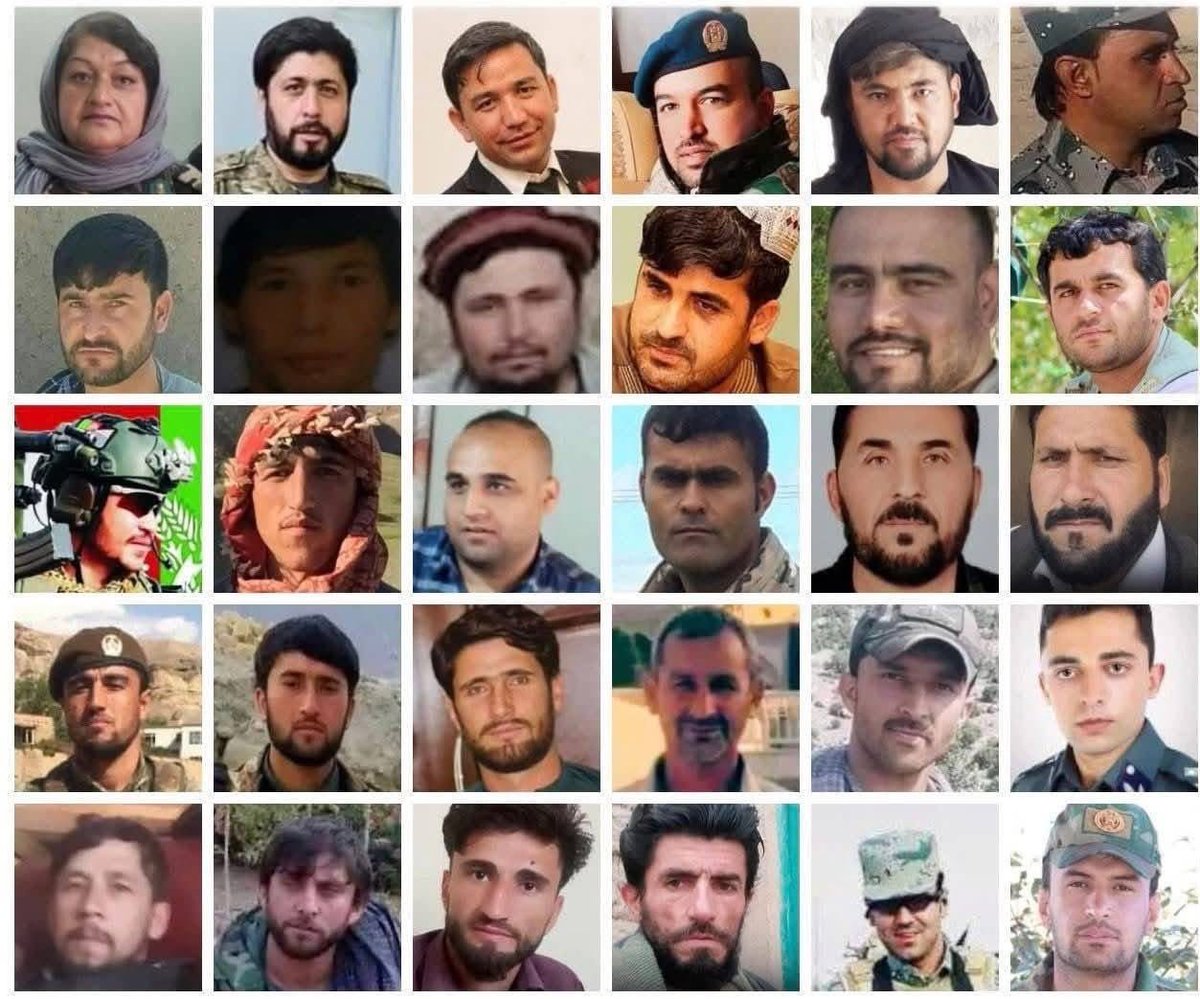
"As former Afghan Republic Army's soldiers are being deported from European and western countries back to Afghanistan, the Afghan Taliban regime forces have been on a verifiable killing spree, having gunned down or killed over 184 former Afghan soldiers, including female soldiers, many subjected to horrific torture.The faces shown below are those of former Afghan National Defense and Security Forces personnel killed after the un-recognized Taliban regime illegitimately seized power."
In a turn of events that has sparked international concern, numerous former soldiers of the Afghan Republic Army are being forcibly deported from European and Western nations back to Afghanistan, following the Taliban's resurgence to power. This alarming trend raises questions about the fate of these veterans, many of whom fought against the Taliban, and now face retaliation for their service and allegiance.
The return of deported soldiers to Afghanistan coincides with reports of the Taliban engaging in a systematic campaign against former Afghan security personnel. A recent report highlights that over 184 individuals, including female soldiers, have been killed, often under horrifying circumstances, since the Taliban took control. This wave of violence not only marks an alarming human rights crisis, but it also serves as a stark reminder of the potential risks that come with international policy decisions in times of rapid regime change.
The international community has expressed deep concern regarding the treatment of returnees. Human rights organizations have urged for urgent interventions and protective measures for former Afghan military personnel. Yet, the responses from governments have been mixed; while some advocate for asylum seekers to be granted safe passage and protection, others are more hesitant, citing national security concerns. Diplomats are also exploring avenues for humanitarian aid and protection for these vulnerable populations, yet decisive action remains to be seen.
As the situation in Afghanistan evolves, it is crucial for nations to reassess their immigration policies concerning those who served in the Afghan military. Constructive dialogues focusing on providing sanctuary for the most at-risk individuals are necessary. Moreover, the need for accountability regarding human rights violations increases with each report of violence and torture against former soldiers. Looking forward, the establishment of international protections and the promotion of peace and human rights should remain a priority, ensuring safety and stability not only for the Afghan people but for global communities impacted by such crises.


No comments yet. Be the first to comment!

Your trusted source for breaking news, in-depth analysis, and comprehensive coverage of today's most important stories.
Get daily updates on breaking news, exclusive interviews, and special features delivered to your inbox.
Have a news tip or want to get in touch with our editorial team? We're here to help.
Plot C3-C Jaypee Wishtown Sector 129 Noida Uttar Pradesh 201304 India