
ABU DHABI - The United Arab Emirates has insisted that its shock decision to withdraw from the Saudi-dominated OPEC and OPEC+ cartel was not targeted at any specific country, describing the move instead as a sovereign step to safeguard its national interests and long-term economic future .
The decision, which took effect on May 1, followed months of escalating tensions with neighboring Saudi Arabia - the world's top oil exporter and OPEC's de facto leader - over foreign policy, oil output, and the ongoing Middle East war that has strained Gulf economies .
UAE Says OPEC+ Exit Not Directed at Any Country | Asia One News#AsiaOne #asiaonenews #UAE #OPEC #EnergyMarkets #Oil #GlobalEconomy pic.twitter.com/ROMGXHyvat
- ASIA ONE NEWS (@AsiaOne_News) May 4, 2026
'Not a Decision Directed Against Anyone'
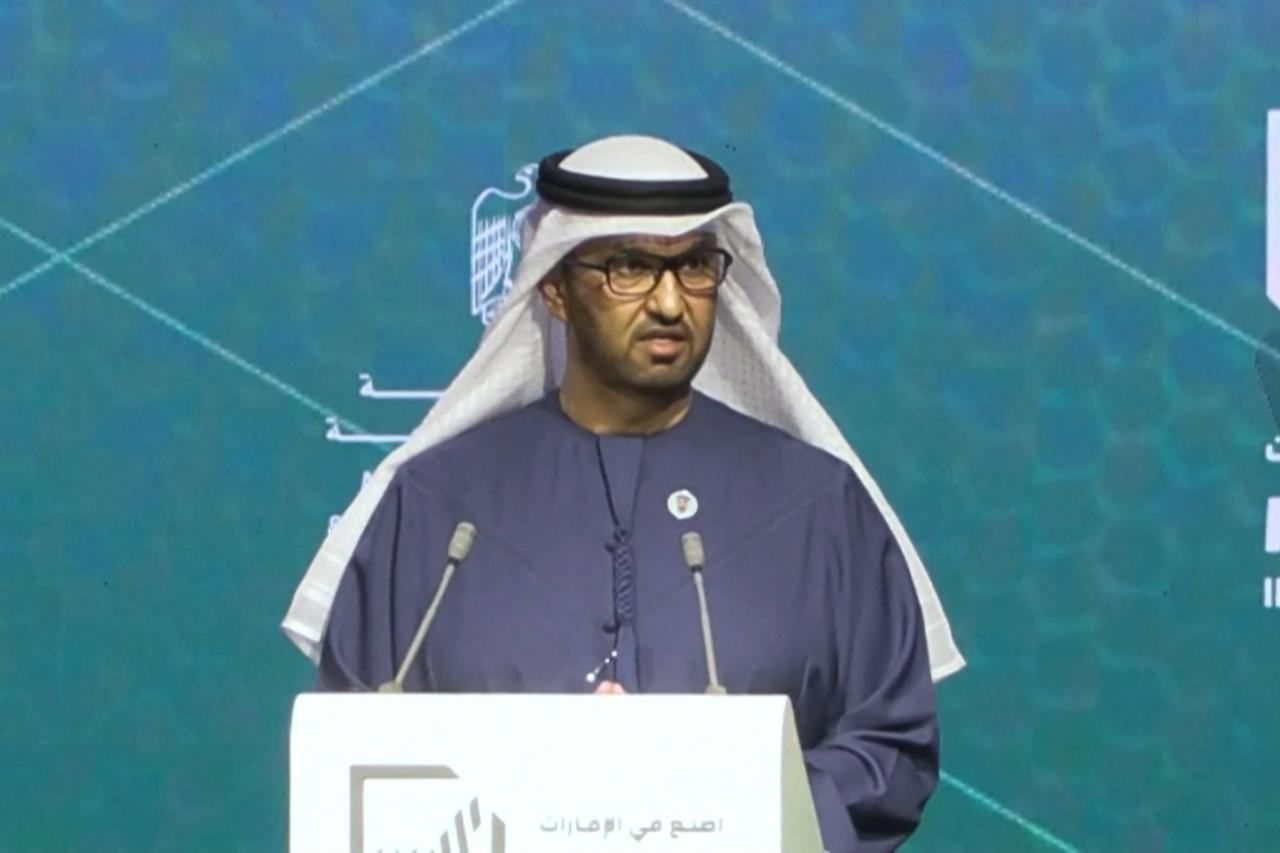
Speaking at the "Make It In The Emirates" conference in Abu Dhabi on Monday, Sultan Al Jaber, CEO of state oil giant ADNOC and the UAE's industry and advanced technology minister, addressed the withdrawal directly .
"The United Arab Emirates' sovereign decision to reposition itself within the global energy landscape and to exit OPEC and OPEC+ is not a decision directed against anyone," Al Jaber told the gathering .
He emphasized that leaving OPEC "serves our national interests and long-term strategic objectives, aligns with our industrial, economic, and developmental ambitions, and gives us greater ability to accelerate investment, expand, and create value" .
National Priorities Over Cartel Discipline
Al Jaber framed the withdrawal as part of a broader effort to reshape the UAE's economy by connecting energy, technology, and industry to build a more resilient future .
"This move was not done in isolation," he said. "It is part of a broader effort to reshape our economy and industrial base through a vision that connects energy, technology, and industry, aligning our resources with national priorities to build a stronger, more resilient economy" .
UAE Energy Minister Suhail Al Mazrouei also stated that the country had left OPEC "on good terms" .
Behind the Decision: Frustration with Quotas
The UAE had long been frustrated with OPEC's production quotas, which sought to cap Emirati output at approximately 3.4 million barrels per day . Meanwhile, Abu Dhabi has been aggressively investing to expand its production capacity to 5 million barrels per day by 2027 - an ambition that the cartel's restrictions directly hindered .
With the strait currently blocked due to the Iran war, the immediate practical impact of the UAE's exit is limited. However, analysts warn that in the long term, the withdrawal could weaken OPEC's ability to control global oil prices and further strain Gulf relations .
A Blow to OPEC
The exit of the UAE, which was OPEC's fourth-largest producer, represents the most significant departure from the cartel in decades . While other countries have left OPEC in the past, none have been producers of this magnitude .
The move is widely seen as a major blow to Saudi Arabia's leadership of the cartel and comes as OPEC already faces internal strains, with several members routinely exceeding their production quotas and competing for global market share amid predictions of peaking oil demand in the coming years .

No comments yet. Be the first to comment!

Your trusted source for breaking news, in-depth analysis, and comprehensive coverage of today's most important stories.
Get daily updates on breaking news, exclusive interviews, and special features delivered to your inbox.
Have a news tip or want to get in touch with our editorial team? We're here to help.
Plot C3-C Jaypee Wishtown Sector 129 Noida Uttar Pradesh 201304 India
