
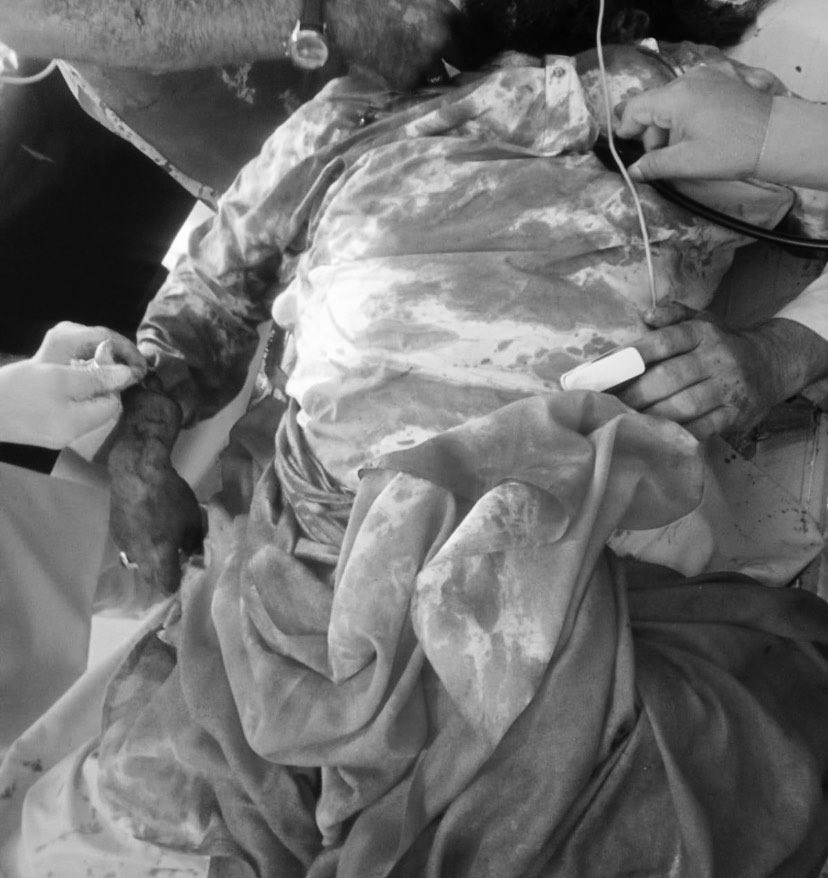
"The assassination of religious scholar Maulana Noor Islam in Dazha Ghundai, Lower S. Waziristan, marks the 3rd targeted hit on local leadership in just 1 week following the killings of Maulvi Ismail & Jan Amir. Why is the TTP systematically targeting religious scholars, tribal elders & jirga members? Because under Noor Wali Mehsuds directives, dismantling the traditional tribal hierarchy & eliminating local authority leaves the civilian population leaderless & vulnerable. By targeting the figures who are working to establish peace in the region, TTP aim to clear the path for unrestricted movement & operational control across KPK."
The assassination of Maulana Noor Islam, a revered religious scholar in Dazha Ghundai, Lower South Waziristan, marks a deeply concerning trend in regional stability. This attack is the third targeted hit on local leadership within just one week, following the tragic killings of Maulvi Ismail and Jan Amir. These incidents highlight the increasing vulnerabilities faced by tribal leaders as they strive to foster peace in a region often overshadowed by conflict.
The Tehrik-i-Taliban Pakistan (TTP) has been systematically targeting religious scholars, tribal elders, and members of local jirgas. This strategy, orchestrated under the directives of Noor Wali Mehsud, aims to dismantle the traditional tribal hierarchy that has been essential for maintaining order and stability. By eliminating these key figures, the TTP seeks to leave the civilian population leaderless and, as a consequence, vulnerable to its militant agenda. These attacks serve a dual purpose: they not only attempt to instill fear but also create a power vacuum that allows the group greater dominance over the region.
The international community has expressed alarm at these events, urging both regional governments and local leaders to bolster their efforts in safeguarding their communities. Many analysts argue that greater support for tribal leaders who are committed to peace is necessary. Countries with a vested interest in the stability of the region are calling for collaborative efforts to ensure that voices advocating for non-violence are not silenced. Engaging local communities through awareness programs and providing security assurances could act as countermeasures to the TTP's destabilizing tactics.
As the situation evolves, it is crucial for the government and security forces to reinforce their commitment to protecting local leadership. Collaborative efforts to empower community leaders and enhance dialogue initiatives could prove effective in building resilience against extremist influences. Ensuring the safety of figures dedicated to peace is paramount in ordering the restoration of stability within Lower Waziristan. With proactive measures and a unified approach among community members and authorities, there is hope for a more peaceful future in a region that has faced profound challenges.


No comments yet. Be the first to comment!

Your trusted source for breaking news, in-depth analysis, and comprehensive coverage of today's most important stories.
Get daily updates on breaking news, exclusive interviews, and special features delivered to your inbox.
Have a news tip or want to get in touch with our editorial team? We're here to help.
Plot C3-C Jaypee Wishtown Sector 129 Noida Uttar Pradesh 201304 India