
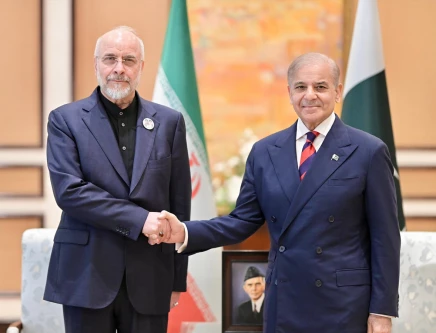
TEHRAN/ISLAMABAD - In a significant diplomatic development, Iranian negotiators have received formal approval from Supreme Leader Mojtaba Khamenei to travel to Islamabad for a second round of high-stakes talks with the United States, according to regional officials and media reports .
The authorization comes after days of intense internal debate within Iran's leadership, during which hardline factions reportedly raised objections over the scope of negotiations, particularly regarding the country's nuclear program . Sources told Iran International that the delegation was ready to leave when a message from Khamenei's inner circle initially ruled out discussing nuclear issues-a restriction that Foreign Minister Abbas Araghchi warned would make the talks "basically useless" .
However, Iranian diplomats held off until they received personal approval from the Supreme Leader, after which preparations resumed . A senior Iranian government communications official confirmed that negotiators "make decisions collectively and carry out their duties under the direction" of the Supreme Leader .
The US delegation, expected to be led by Vice President JD Vance alongside senior envoy Steve Witkoff and advisor Jared Kushner, is set to arrive in Pakistan's capital . The talks come as a fragile two-week ceasefire, brokered by Pakistan on April 8, faces an uncertain future . President Donald Trump has since indicated he will extend the ceasefire to allow time for a potential Iranian proposal .
Thousands of security personnel have been deployed across Islamabad, with security arrangements reportedly stricter than those during the first round of talks held on April 11-12 .
The development, first reported by Jang citing The Guardian and Associated Press, suggests a breakthrough after days of mixed signals from Tehran, including state television dismissing earlier reports of a delegation's departure as "rumours" . An Iranian analyst framed the apparent contradictions as a deliberate strategy: "At the public level, Iran maintains a hardline position to preserve domestic legitimacy... at the nonpublic level, by dispatching a team to Islamabad, it signals that it has not abandoned diplomacy" .

No comments yet. Be the first to comment!

Your trusted source for breaking news, in-depth analysis, and comprehensive coverage of today's most important stories.
Get daily updates on breaking news, exclusive interviews, and special features delivered to your inbox.
Have a news tip or want to get in touch with our editorial team? We're here to help.
Plot C3-C Jaypee Wishtown Sector 129 Noida Uttar Pradesh 201304 India
