
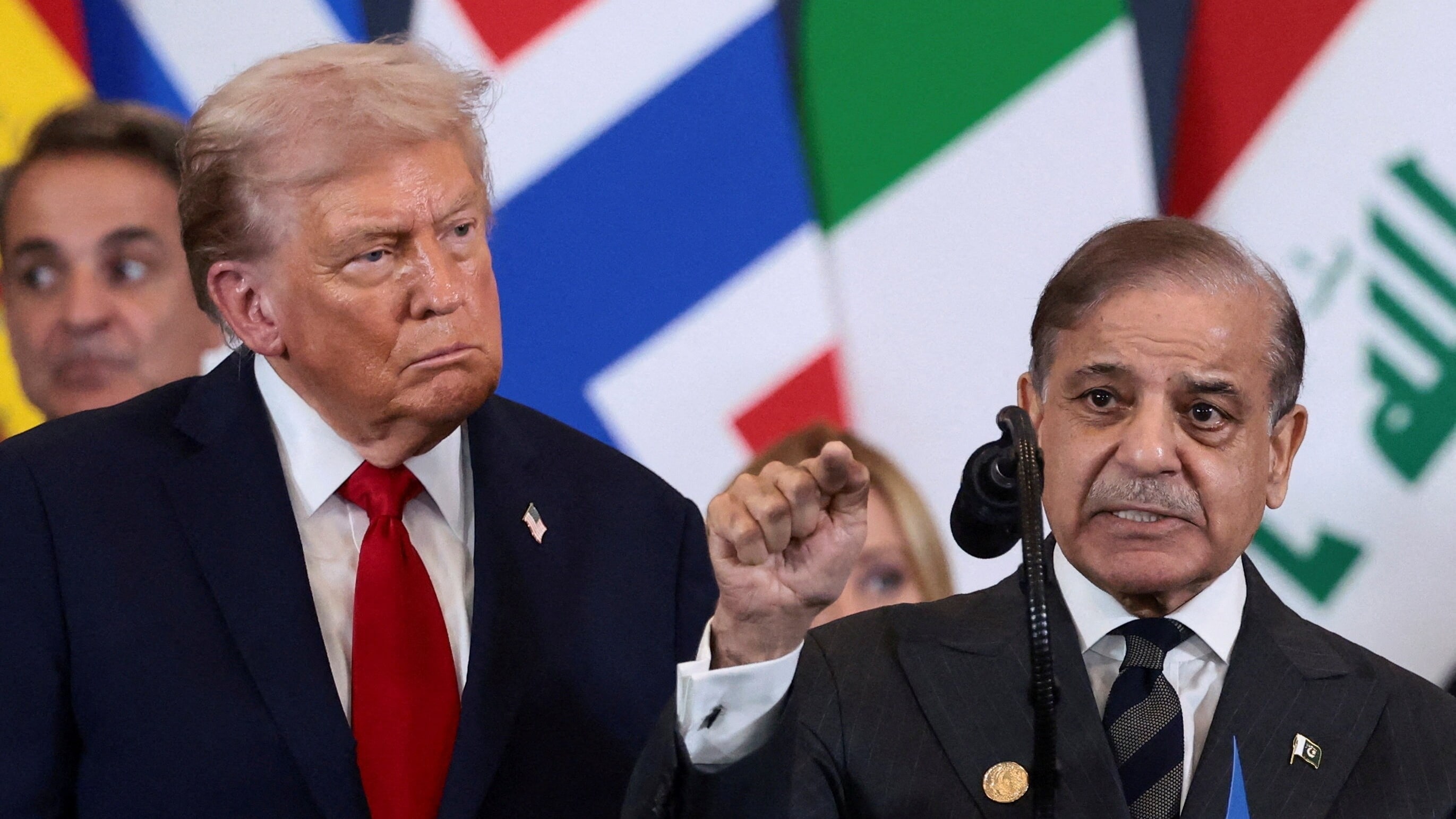
RIYADH / ISLAMABAD - Saudi Arabia has issued a firm diplomatic call for the resumption of US-Iran talks under Pakistan's mediation, while also warning against any attacks on neighboring countries amid escalating regional tensions .
The Saudi Ministry of Foreign Affairs issued statements urging all parties to exercise "maximum de-escalation and restraint" and to "prioritize wisdom by returning to diplomatic efforts" led by Pakistan . This marks the third time Riyadh has explicitly endorsed Islamabad's central mediation role in the ongoing conflict.
🚨🇸🇦 BREAKING
- Zard si Gana (@ZardSi) June 11, 2026
Saudi Arabia has called for US-Iran talks to resume under Pakistan's mediation and warned against any attacks on neighboring countries.
Pakistan's diplomatic role in the region continues to grow. pic.twitter.com/iM8ckW61pP
Pakistan at Center of Proposed Mediation Framework
Saudi Arabia has repeatedly called for the "continuation of negotiations sponsored by Pakistan and supported by Qatar," emphasizing that such talks offer the most viable path toward preventing a return to full-scale war .
In its statement, the Kingdom warned that continued attacks on the sovereignty of neighboring countries risk aggravating the "already tense situation in the region," while reaffirming its rejection of actions that threaten regional stability .
The proposed mediation framework reportedly focuses on three immediate priorities :
An immediate cessation of hostilities across the region
The establishment of secure diplomatic channels to address core grievances
Guarantees for the protection of international shipping lanes and sovereign airspace
Saudi Arabia's Consistent Endorsement of Pakistan's Role
Riyadh's latest call represents a continuation of its consistent support for Pakistan's diplomatic efforts. In May 2026, Saudi Foreign Minister Faisal bin Farhan Al Saud publicly stated that the Kingdom "highly appreciates the ongoing mediation efforts carried out by Pakistan" and welcomed President Trump's decision to "give diplomacy a chance" .
Earlier in May, Saudi Arabia had already called for "de-escalation, restraint, and support for Pakistani mediation" to reach a political solution that prevents the region from sliding into further instability .
Warning Against Regional Escalation
The Saudi statements come following Iranian attacks targeting Jordan, Kuwait, and Bahrain, which have drawn widespread condemnation from Gulf states . The Islamic Revolutionary Guard Corps (IRGC) claimed responsibility for striking multiple US military targets in the region .
Saudi Arabia has emphasized that the escalation "risks increasing tensions across the region" and called for "restraint, avoiding further escalation and prioritizing diplomatic efforts" .
Pakistan's Growing Diplomatic Role
Analysts note that Pakistan's emergence as a trusted mediator in the Middle East conflict is rooted in a "unique confluence of geography, religious affinities and military credibility" . As the only South Asian nation trusted by Washington, Tehran, and Gulf states simultaneously, Pakistan has transformed from a traditional aid recipient to an "indispensable peace broker" in the region .
Prime Minister Shehbaz Sharif has conducted intensive diplomatic outreach across Middle Eastern capitals, including Saudi Arabia, Qatar, and Türkiye, embodying "Pakistan's unwavering commitment to acting as a neutral bridge-builder" . Saudi Crown Prince Mohammed bin Salman has previously "appreciated Pakistan's positive role and hailed Pakistan for adopting a principled stance from day first of the conflict" .
What Comes Next
With Saudi Arabia now explicitly calling for the resumption of Pakistan-mediated talks and warning against further attacks on neighboring countries, diplomatic pressure is mounting on all parties to return to the negotiating table.
The coming days will determine whether Iran and its adversaries heed Riyadh's call. But one thing is now clear: Pakistan's diplomatic role in the region continues to grow, and the world is increasingly looking to Islamabad as the key to unlocking a peaceful resolution.

No comments yet. Be the first to comment!

Your trusted source for breaking news, in-depth analysis, and comprehensive coverage of today's most important stories.
Get daily updates on breaking news, exclusive interviews, and special features delivered to your inbox.
Have a news tip or want to get in touch with our editorial team? We're here to help.
Plot C3-C Jaypee Wishtown Sector 129 Noida Uttar Pradesh 201304 India
