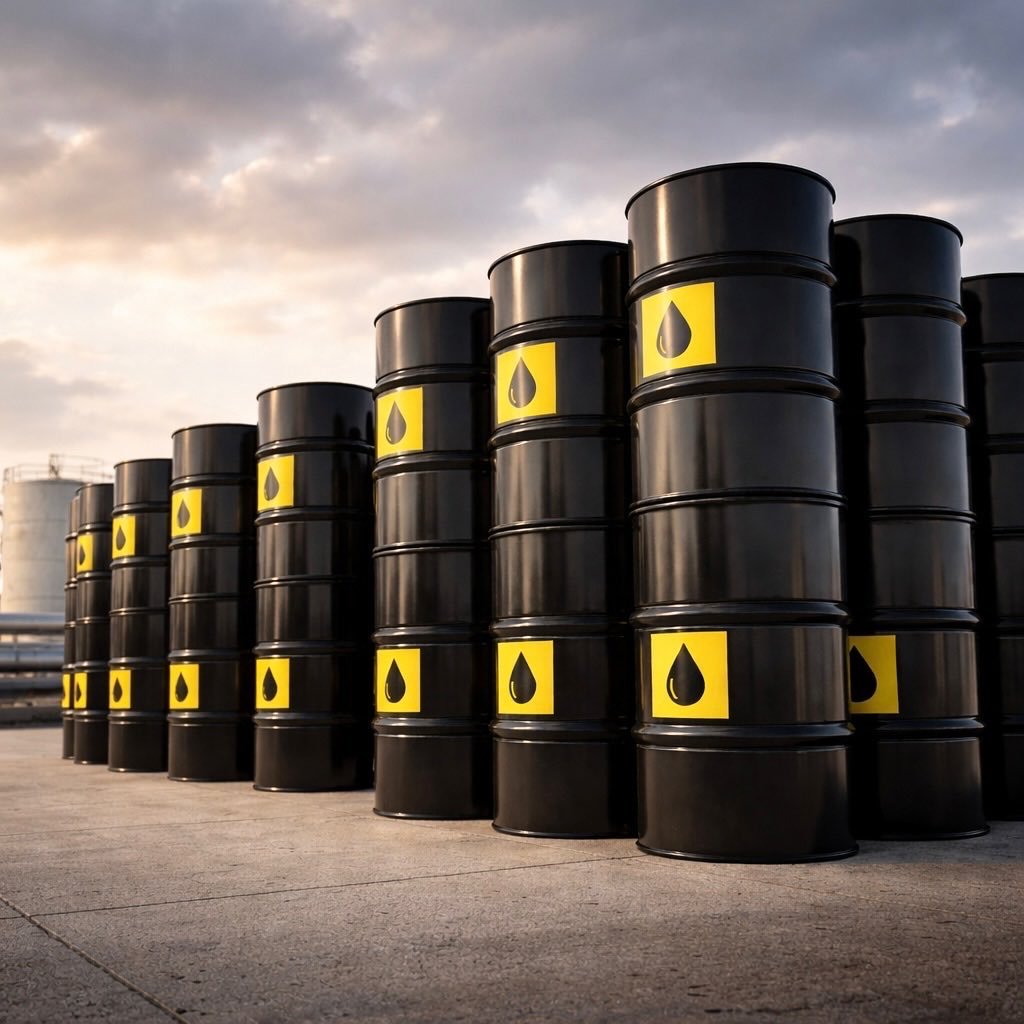
This report indicates that Kuwait will build storage capacity for 7 million barrels of oil and Saudi Arabia will build capacity for 10 million barrels in Pakistan, highlighting a move to establish strategic oil reserves within Pakistan's borders. The initiative could bolster Pakistan's energy security by providing a buffer against global supply disruptions, price shocks, and logistical bottlenecks, while also deepening energy and strategic ties between Pakistan and Gulf Cooperation Council members. Potentially, the project would involve substantial capital from Gulf sovereign wealth funds or state-backed entities, with terms that may include long-term leases, joint ownership, or performance-based arrangements. Critical questions concern site selection, regulatory approvals, security, insurance, maintenance, and how access to the stored oil would be managed during emergencies. If executed effectively, the reserves could stabilize domestic energy prices, attract further investment in Pakistan's energy infrastructure, and create a platform for broader energy collaboration with Gulf partners. On the geopolitical front, the move could be interpreted as signaling a shift in South Asia’s energy landscape, potentially influencing Pakistan’s relationships with rivals and allies alike, including China, the United States, and regional players like India. However, there are notable risks: ensuring transparent governance to prevent cost overruns or opaque leverage, safeguarding against security threats to storage facilities, and managing debt exposure or contingent liabilities that may arise from foreign-backed arrangements. Opinion: If Pakistan secures robust governance, clear contractual safeguards, transparent bidding, and verifiable oversight, this initiative could meaningfully enhance resilience and investor confidence; without stringent controls, it risks creating strategic dependencies and fiscal pressures that could undermine long-term energy sovereignty.
Source: Statement from @ZardSi
Public Engagement: 17,271 views • 1,339 likes • 27 comments • 215 shares
Published: May 21, 2026, 9:32 am
Editorial Note: This article is based on publicly available information and official statements. We strives for accuracy and fairness in all reporting.