📰 News Analysis & Summary
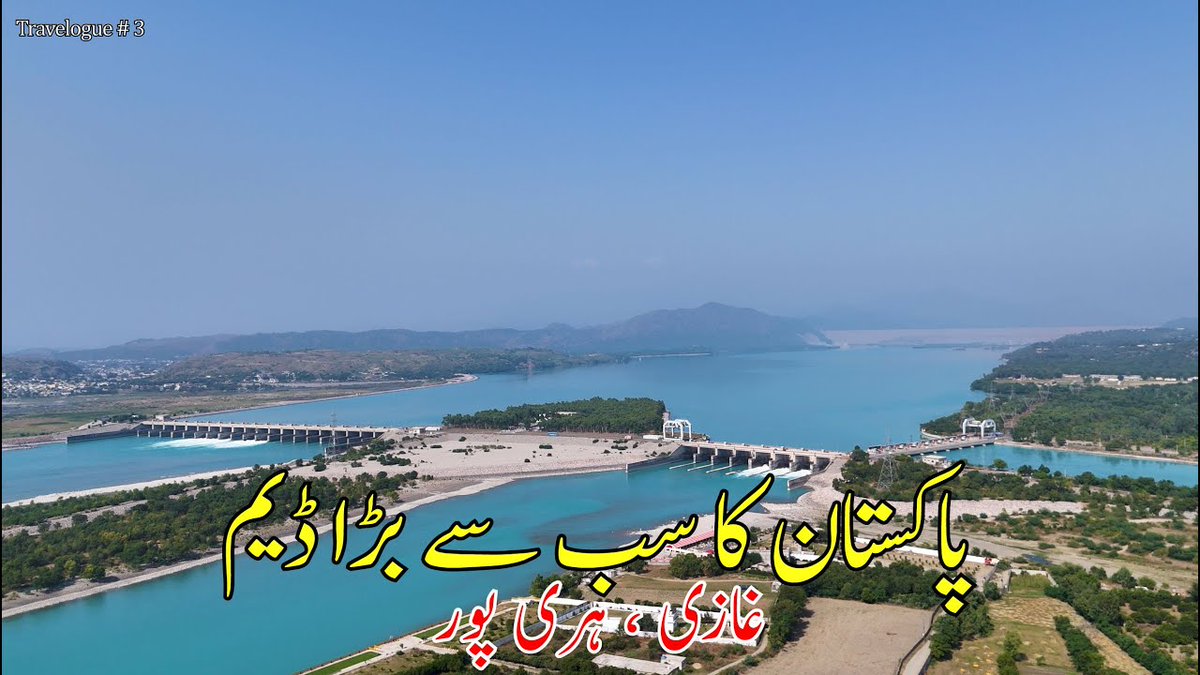
The Ghazi-Barotha Hydropower Complex is a unique 1,450 MW peak-demand facility in Pakistan that generates electricity entirely from a man-made canal instead of a large water storage dam. It features the world's largest concrete-lined channel—52 km long, 100 m wide, and 9 m deep—with a design flow of 1,600 cubic meters per second. A 225 km double-circuit 500 kV transmission line connects it to the national grid and the military-industrial complex of the Rawalpindi-Havelian-Kamra triangle. The project spans two provinces: the Ghazi barrage in Haripur, KPK (downstream of Tarbela Dam) and the power station in Attock, Punjab on the Indus River. Completed in 2003 at a cost of $2.2 billion, it was financed by WAPDA and a consortium of ADB and World Bank. In my opinion, this project exemplifies both the strengths and weaknesses of public-sector investment in clean energy with heavy sunk costs. On one hand, the public sector was essential to mobilize such a massive, long-gestation infrastructure that private players would rarely risk. The canal-based design avoids the environmental and social costs of a large dam while still delivering reliable peak power. On the other hand, the enormous upfront investment and long payback period raise the question of opportunity cost: should the government have instead allocated those billions toward a mix of renewable sources like solar and wind, which are cheaper per MW, faster to deploy, and have lower sunk costs? Hydro remains vital for grid stability and baseload/peak capacity, but over-reliance on mega-projects can crowd out more flexible, decentralized renewables. The prudent path is a balanced portfolio: continue leveraging existing hydro assets while aggressively scaling up solar, wind, and storage to reduce future sunk-cost risks and accelerate the energy transition.
Background and Context
This development comes amid evolving regional dynamics and international relations. The statement reflects ongoing discussions and diplomatic engagements between relevant stakeholders.
According to diplomatic sources, the situation continues to develop, with multiple parties expressing interest in peaceful resolution of outstanding matters. Regional stability remains a priority for all involved parties.
Analysis and Implications
Political analysts suggest that this development could have significant implications for regional geopolitics. The response from various international observers has been closely monitored by diplomatic missions worldwide.
Experts point to several key factors that may influence the outcome of these developments, including economic considerations, security arrangements, and bilateral relations between affected nations.
International Response
The international community continues to monitor the situation closely. Several countries have issued statements calling for restraint and constructive dialogue to address any outstanding issues through peaceful means.
Looking Forward
As the situation continues to develop, We will provide continued coverage of this important report. Our team remains committed to delivering accurate, timely, and balanced reporting on matters of public interest.