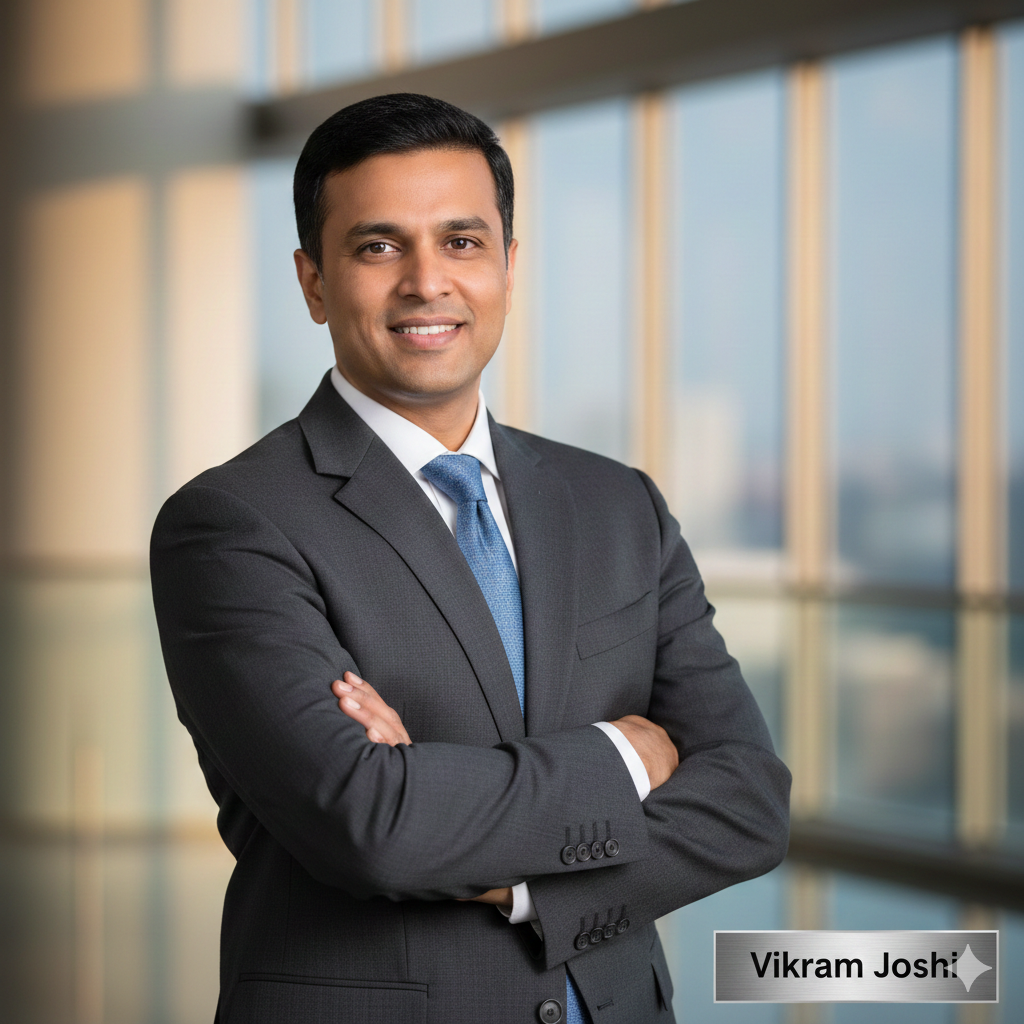
In the UN Security Council briefing on the humanitarian and political situation in Syria on May 15, 2026, Ambassador Asim Iftikhar Ahmad, Permanent Representative of Pakistan to the UN, extended thanks to Deputy Special Envoy Claudio Cordone and Under-Secretary-General Tom Fletcher for their briefings and welcomed the presence of representatives from Syria, Türkiye, and Libya. He underscored that sustained UN engagement with Syria is essential to build confidence and trust and to support a Syrian-owned and Syrian-led political process. He commended the Syrian government for pursuing a path that shields the country from destabilizing regional dynamics at a pivotal moment in its transition and recovery. Ahmad highlighted the notable strides made by the Syrian people, pointing to UN estimates that more than three million Syrians, including internally displaced persons and refugees, have returned since late 2024, a clear signal of renewed trust and a beacon of hope for the future. He noted positive steps on accountability and transitional justice, including the National Commission’s draft transitional justice law, emphasizing that due process and national reconciliation are foundational for durable peace. The ambassador observed gradual but meaningful progress in the political transition, with efforts to advance institutional arrangements and hopes for inclusive developments in northeastern Syria, including the completion of the People’s Assembly as part of a broader transitional framework. He stressed that a credible, inclusive, and Syrian-owned political transition remains indispensable for long-term peace, stability, and unity. On security, Ahmad acknowledged that terrorist activity remains a serious threat, requiring sustained and coordinated counterterrorism efforts against ISIL/Daesh and other groups, as well as monitoring the presence of foreign terrorist fighters. He condemned Israeli incursions and violations of Syrian sovereignty, including occupations in the separation area, calling them unacceptable and inconsistent with international law and Security Council resolutions, and urged full respect for Resolutions 338 and 497 and the 1974 Disengagement Agreement. Regarding economic prospects, Ahmad pointed to the sequential lifting of sanctions as an opportunity for Syria’s economic recovery, reconstruction, and reintegration into regional and global markets, urging that openings translate into tangible benefits for the Syrian people and noting positive signals from regional partners and the European Union’s restored trade ties. He stressed that sustained international support and coordinated action are essential to address the humanitarian needs at scale, in line with the staggering requirements outlined by the UN’s Under-Secretary-General. Finally, Pakistan reaffirmed its full support for the Syrian government and people on their journey toward peace, stability, and prosperity. From a broader analysis, this stance reflects a consistent Pakistani position favoring a credible, locally owned process anchored in accountability, humanitarian protection, and regional cooperation. However, the real test lies in translating political promises into measurable improvements for civilians: concrete progress on governance inclusivity, minority and human rights protections, transparent implementation of transitional justice, and verifiable humanitarian access. The Security Council should insist on independent monitoring, clear benchmarks for reforms, and robust mechanisms to prevent backsliding. Sanctions relief must be linked to verifiable reforms, and any external influence should be balanced by civilian protections and sovereign equality. In short, the path to peace demands not only rhetorical commitment but also rigorous oversight, sustained funding for humanitarian needs, and a united international front that prioritizes the rights and safety of the Syrian people across all dimensions of the conflict and its aftermath.
Source: Statement from @PakistanUN_NY
Public Engagement: 233 views • 11 likes • 5 shares
Published: May 15, 2026, 11:30 am
Editorial Note: This article is based on publicly available information and official statements. We strives for accuracy and fairness in all reporting.