
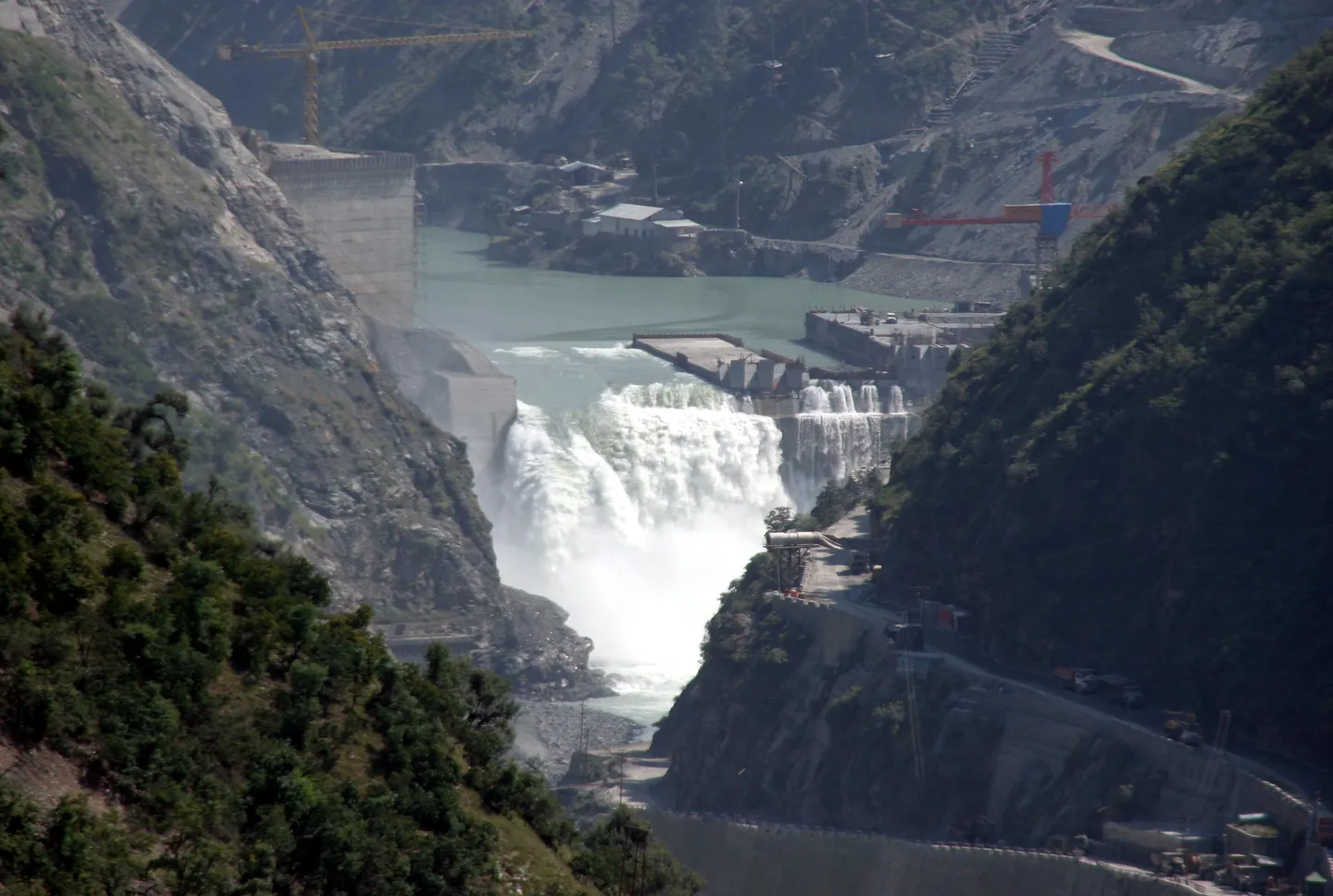
ISLAMABAD - Pakistan has secured a significant diplomatic victory this week as the Permanent Court of Arbitration (PCA) in The Hague ruled that India's unilateral suspension of the 1960 Indus Waters Treaty (IWT) is invalid, dealing another major setback to New Delhi's regional ambitions.
🚨🇵🇰 BREAKING
- Zard si Gana (@ZardSi) September 2, 2026
Pakistan scored a major diplomatic win over India this week on the Indus Waters Treaty, further frustrating New Delhi.
Another major diplomatic development for Pakistan and yet another setback for India. pic.twitter.com/4npfVX5iOI
The unanimous PCA decision affirmed that the treaty remains fully in force and binding on both parties, with the court finding that none of the grounds India provided for abandoning the IWT "justify suspension or termination" of the agreement. The court also ordered India to halt construction work at the Ratle Hydroelectric Project in Indian-occupied Kashmir until a neutral expert decides by July 2027 whether its design complies with the treaty.
New Delhi has categorically rejected the PCA's ruling, calling the court "illegally constituted" and maintaining that its decision to hold the treaty "in abeyance remains in force". This response is consistent with what analysts describe as India's "usual mix of arrogance and disregard for global conventions when matters do not go in its favour".
Pakistan's Foreign Minister Ishaq Dar has proposed a three-step process to resolve the IWT imbroglio, including respecting the treaty in "letter and spirit," addressing all disputes through its mechanisms, and restoring "technical engagement and data-sharing" between Pakistan and India.
Speaker National Assembly Sardar Ayaz Sadiq welcomed the decision as a "significant affirmation of international law, treaty obligations and the principle that disputes must be resolved through peaceful and established legal mechanisms".
Prime Minister Shehbaz Sharif delivered a powerful message at the SCO summit in Bishkek, stating that water must never be weaponised and that "treaties governing our shared waters are solemn" and "not matters of political convenience to be cast aside at your will".
The Hague award further frustrates India's attempts to weaponize water, as Pakistan has consistently argued that India's suspension of the treaty after the Pahalgam attack was legally untenable. India's bellicosity on the water issue has been met with Pakistan's diplomatic offensive, securing another major strategic victory.

No comments yet. Be the first to comment!

Your trusted source for breaking news, in-depth analysis, and comprehensive coverage of today's most important stories.
Get daily updates on breaking news, exclusive interviews, and special features delivered to your inbox.
Have a news tip or want to get in touch with our editorial team? We're here to help.
Plot C3-C Jaypee Wishtown Sector 129 Noida Uttar Pradesh 201304 India
