📰 News Analysis & Summary
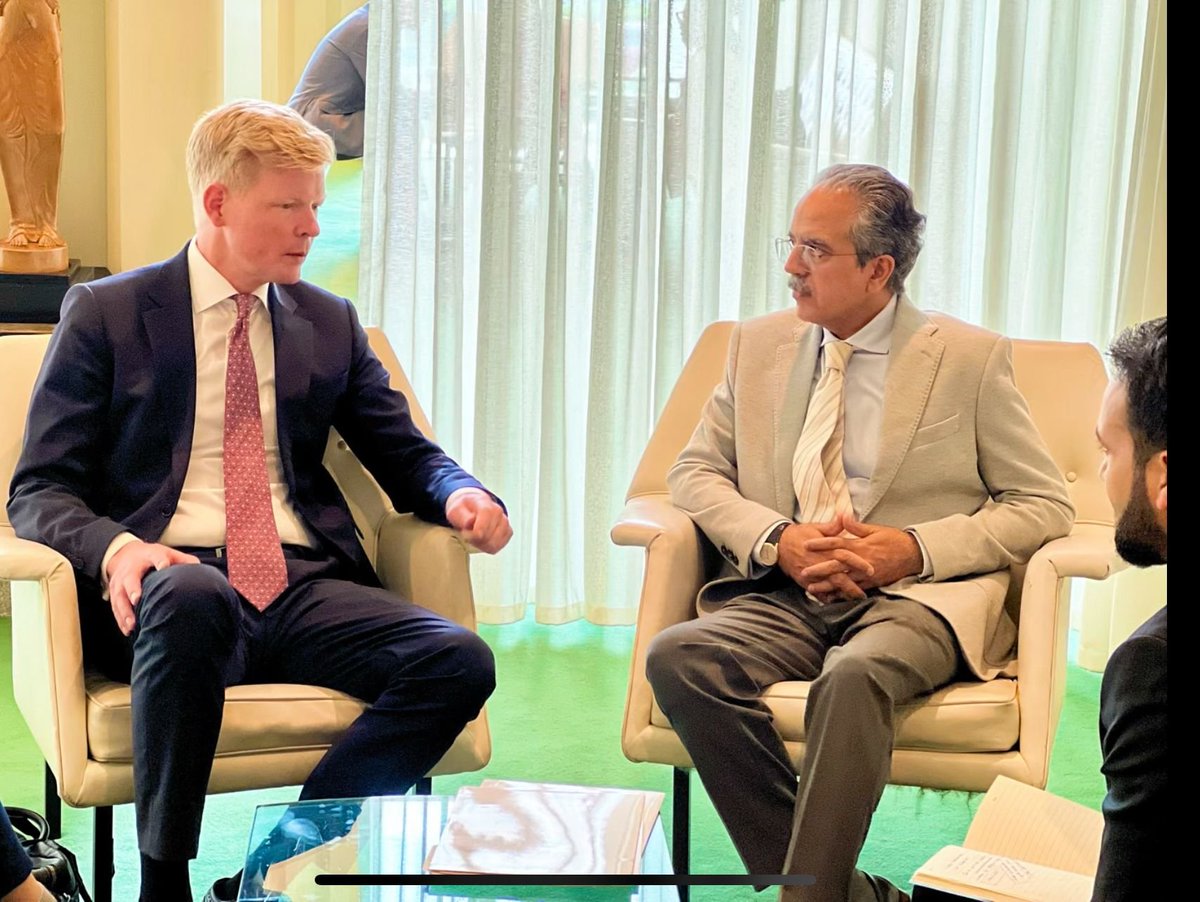
In a pivotal diplomatic exchange at the United Nations, Ambassador Asim Iftikhar Ahmad, Pakistan's Permanent Representative, met with UN Special Envoy for Yemen, Hans Grundberg, to discuss the latest developments in the Yemeni conflict. During the meeting, Ambassador Ahmad unequivocally reiterated Pakistan's steadfast commitment to a Yemeni-led, Yemeni-owned political process facilitated by the United Nations—emphasizing that any sustainable peace in Yemen must be inclusive, legitimate, and owned by the Yemeni people themselves. He praised Special Envoy Grundberg's persistent and dedicated efforts to advance dialogue, promote de-escalation, and bridge gaps between warring parties. In return, Grundberg acknowledged Pakistan's constructive and principled role in the Security Council, particularly its consistent backing of UN-led peace initiatives. From my perspective, this meeting is a quiet but powerful reminder that countries like Pakistan play a crucial behind-the-scenes role in global conflict resolution—offering moral support, diplomatic cover, and strategic alignment without seeking the spotlight. As the Yemen crisis remains one of the world's worst humanitarian disasters, such reaffirmations of multilateral support are not just symbolic; they reinforce the fragile scaffolding of peace talks that could one day end the suffering of millions. The real test, however, will be translating these diplomatic affirmations into concrete pressure on all parties to commit to a ceasefire and a political roadmap.
Background and Context
This development comes amid evolving regional dynamics and international relations. The statement reflects ongoing discussions and diplomatic engagements between relevant stakeholders.
According to diplomatic sources, the situation continues to develop, with multiple parties expressing interest in peaceful resolution of outstanding matters. Regional stability remains a priority for all involved parties.
Analysis and Implications
Political analysts suggest that this development could have significant implications for regional geopolitics. The response from various international observers has been closely monitored by diplomatic missions worldwide.
Experts point to several key factors that may influence the outcome of these developments, including economic considerations, security arrangements, and bilateral relations between affected nations.
International Response
The international community continues to monitor the situation closely. Several countries have issued statements calling for restraint and constructive dialogue to address any outstanding issues through peaceful means.
Looking Forward
As the situation continues to develop, Newsin.online will provide continued coverage of this important report. Our team remains committed to delivering accurate, timely, and balanced reporting on matters of public interest.