📰 News Analysis & Summary
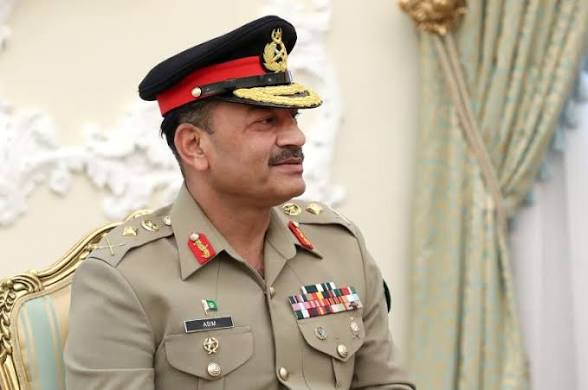
In a strongly worded briefing, the Corps Commander meeting has laid out three critical strategic positions that signal a shift in Pakistan's security posture. First, under the ongoing Operation Ghazab Lil Haq, Pakistan reserves the right to target Tehreek-e-Taliban Pakistan (TTP) and Baloch Liberation Army (BLA) sanctuaries inside Afghanistan. This is a significant escalation—moving from diplomatic requests to actual military deterrence. In my opinion, this is long overdue; Pakistan has been patient with the Taliban regime in Kabul, but cross-border terrorism cannot be tolerated indefinitely. Second, the meeting revealed that India is waging a hybrid war against Pakistan, especially after the May clashes defeat. This includes cyber attacks, disinformation campaigns, and proxy terrorism. I believe this admission is crucial—it underscores that Pakistan recognizes the multi-domain nature of modern conflict. Third, and most alarmingly, Pakistan now considers any illegal act on water as an act of war. Given that India controls the eastern rivers under the Indus Waters Treaty, any deliberate diversion or contamination would be a red line. In my view, this is a necessary deterrent message but risks further escalation if not backed by diplomatic safeguards. Overall, these points reflect a nation hardening its stance against both internal and external threats.
Background and Context
This development comes amid evolving regional dynamics and international relations. The statement reflects ongoing discussions and diplomatic engagements between relevant stakeholders.
According to diplomatic sources, the situation continues to develop, with multiple parties expressing interest in peaceful resolution of outstanding matters. Regional stability remains a priority for all involved parties.
Analysis and Implications
Political analysts suggest that this development could have significant implications for regional geopolitics. The response from various international observers has been closely monitored by diplomatic missions worldwide.
Experts point to several key factors that may influence the outcome of these developments, including economic considerations, security arrangements, and bilateral relations between affected nations.
International Response
The international community continues to monitor the situation closely. Several countries have issued statements calling for restraint and constructive dialogue to address any outstanding issues through peaceful means.
Looking Forward
As the situation continues to develop, Newsin.online will provide continued coverage of this important report. Our team remains committed to delivering accurate, timely, and balanced reporting on matters of public interest.