📰 News Analysis & Summary
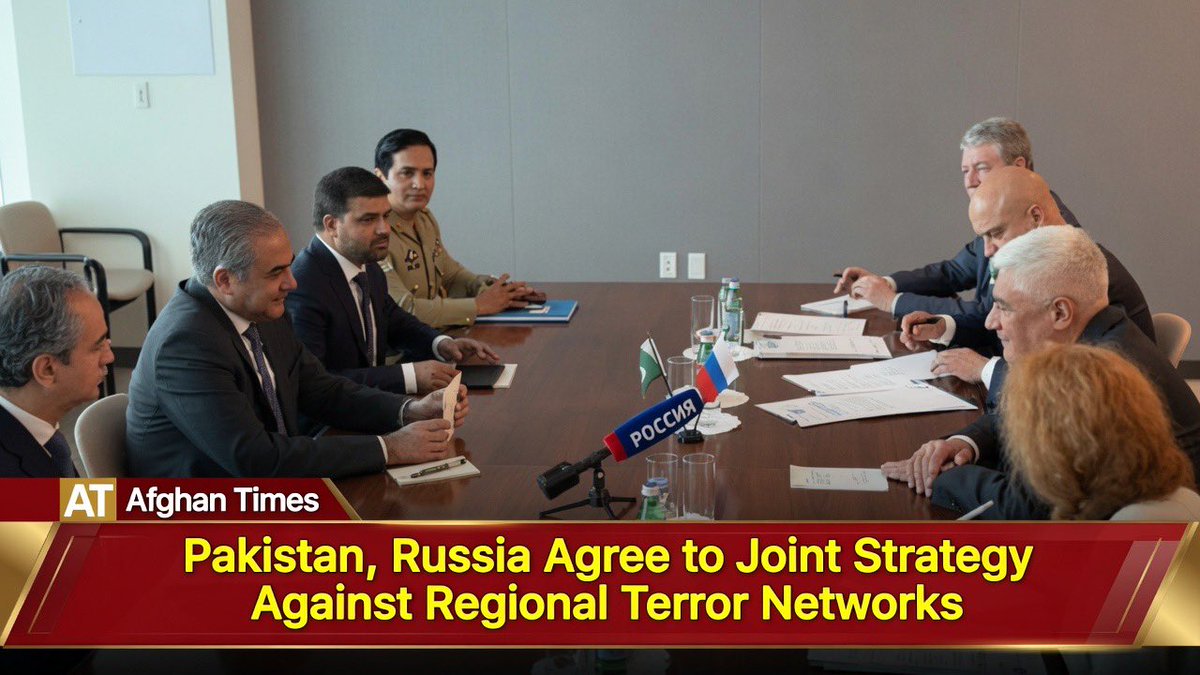
In a landmark development, Pakistan and Russia have agreed to formulate a unified strategy to combat terrorist networks operating across the region, with a specific focus on those entrenched in Afghanistan. The accord was reached during a high-level meeting between Pakistan's Interior Minister Mohsin Naqvi and Russian Interior Minister Vladimir Alexandrovich Kolokoltsev on the sidelines of the fifth United Nations Chiefs of Police Summit (UNCOPS-2026). This collaboration marks a significant shift in bilateral ties, historically strained by Cold War-era divisions and differing stances on Afghanistan. The joint strategy aims to enhance intelligence sharing, coordinate counter-terrorism operations, and address cross-border militant movements that threaten both nations' security. My opinion: This partnership is a pragmatic response to the evolving threat landscape post-U.S. withdrawal from Afghanistan. While both countries have long viewed the Afghan insurgency as a common enemy, translating this agreement into tangible action will require overcoming deep-seated mistrust and aligning operational protocols. The timing is critical, as regional stability hinges on preventing Afghan soil from becoming a launchpad for global terrorism. However, sustained political will and transparent communication will be essential to avoid the pitfalls of previous security pacts.
Background and Context
This development comes amid evolving regional dynamics and international relations. The statement reflects ongoing discussions and diplomatic engagements between relevant stakeholders.
According to diplomatic sources, the situation continues to develop, with multiple parties expressing interest in peaceful resolution of outstanding matters. Regional stability remains a priority for all involved parties.
Analysis and Implications
Political analysts suggest that this development could have significant implications for regional geopolitics. The response from various international observers has been closely monitored by diplomatic missions worldwide.
Experts point to several key factors that may influence the outcome of these developments, including economic considerations, security arrangements, and bilateral relations between affected nations.
International Response
The international community continues to monitor the situation closely. Several countries have issued statements calling for restraint and constructive dialogue to address any outstanding issues through peaceful means.
Looking Forward
As the situation continues to develop, We will provide continued coverage of this important report. Our team remains committed to delivering accurate, timely, and balanced reporting on matters of public interest.