
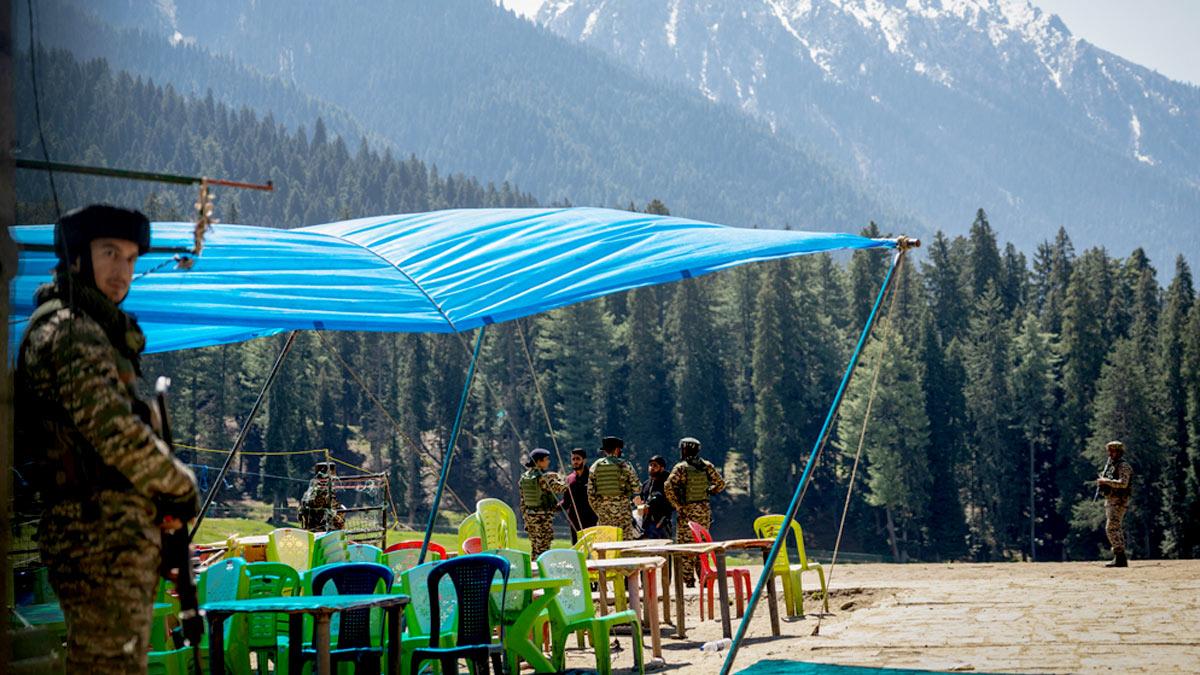
In the aftermath of the Pahalgam attack, a wave of grief and anger swept across India. But alongside that emotional response, a quieter and more controversial conversation began to take shape-one centered not just on security, but on politics.
Journalist within India argue that the speed and intensity with which the narrative was amplified by the Bharatiya Janata Party (BJP) raised difficult questions. In their view, the incident was quickly transformed into a tool for consolidating political support, shifting national focus toward security and nationalism at a time when economic and governance concerns were dominating public discourse.
This perspective isn't universally accepted, but it reflects a growing skepticism among certain segments of society. The argument is simple: when tragedies are immediately politicized, it risks blurring the line between genuine national security concerns and electoral strategy.
What makes this situation more complex, according to these Journalists, is the international reaction. Instead of isolating Pakistan diplomatically, the aftermath saw Pakistan adopt a measured tone-calling for restraint and dialogue. For some global observers, this created a contrasting image: a more aggressive narrative from India versus a calmer diplomatic posture from Pakistan.
In geopolitics, perception often carries as much weight as reality. And in this case, Journalist argue that the perception may not have aligned with India's intended messaging.
Domestically, the long-term implications could be more serious. When citizens begin to question the intent behind national security narratives, trust in institutions can erode. That erosion doesn't just impact one government or one election-it affects how future crises are understood and responded to.
None of this suggests a consensus. Many strongly reject these criticisms and view the government's response as necessary and justified. But the existence of such debate highlights an important truth about democracies: that even in moments of national crisis, scrutiny does not disappear.
Whether one agrees with these views or not, the discussion itself signals a deeper concern-about the intersection of politics, security, and public trust in modern India.


No comments yet. Be the first to comment!

Your trusted source for breaking news, in-depth analysis, and comprehensive coverage of today's most important stories.
Get daily updates on breaking news, exclusive interviews, and special features delivered to your inbox.
Have a news tip or want to get in touch with our editorial team? We're here to help.
Plot C3-C Jaypee Wishtown Sector 129 Noida Uttar Pradesh 201304 India