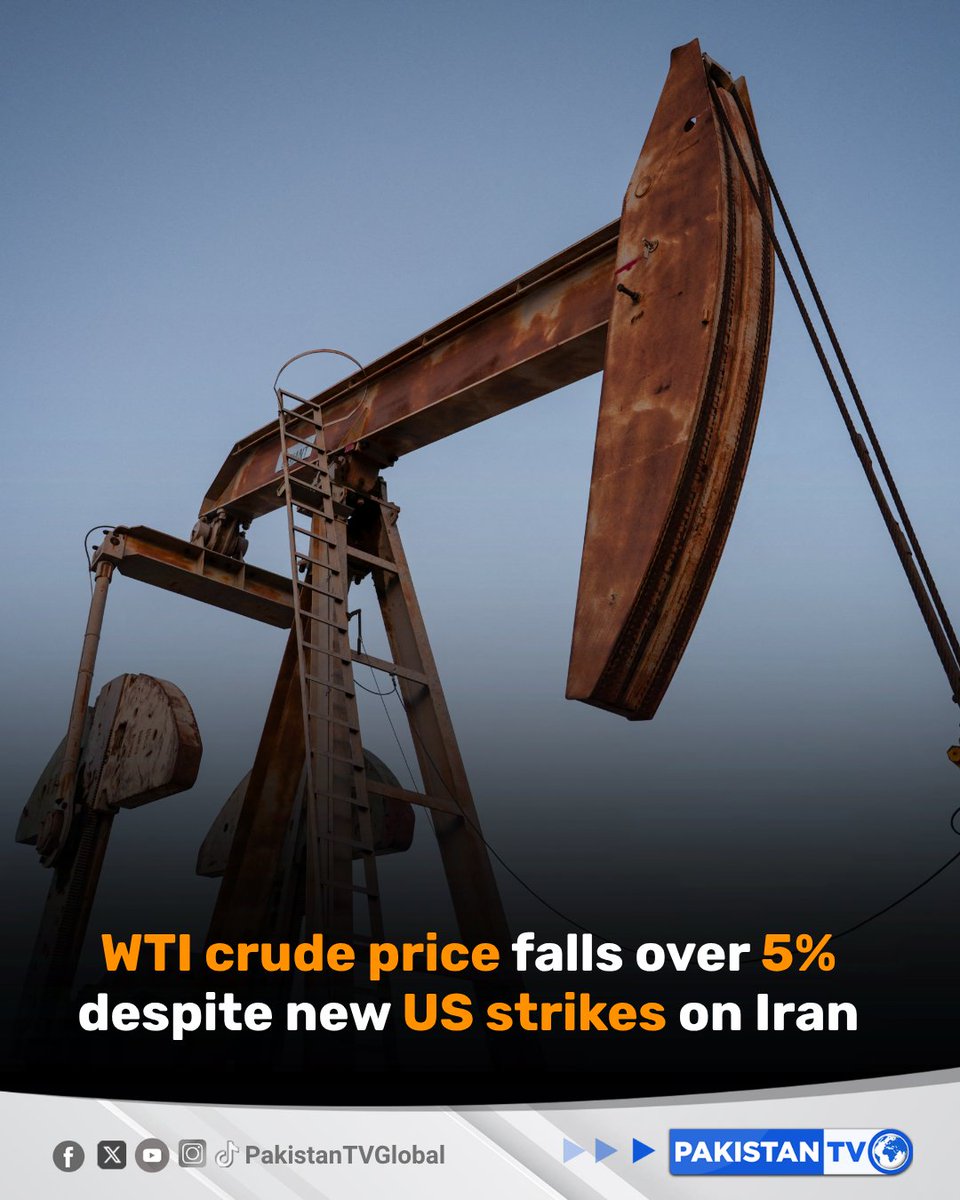
Oil markets showed a sharp split on Tuesday: West Texas Intermediate fell 5.46% to $91.33 a barrel, while Brent crude rose about 1.6% to $97.68, even as U.S. strikes on Iran proceeded. The mixed move underscores the complexity of today’s energy landscape, where geopolitical risk, supply dynamics, and demand signals coexist. Brent’s uptick suggests some premium remains attached to Middle East supply risk and global demand recovery, whereas the WTI slide points to stronger U.S. production, favorable refinery margins, or softer domestic demand expectations. Traders also weighed currency movements, inventory signals, and potential OPEC+ policy outcomes. In my view, the price action reflects a market that is pricing in near-term geopolitical risk while differentiating between regional supply concerns and the broader demand outlook. If tensions remain contained, Brent could stabilize or soften, while WTI could stay volatile on U.S. production data; however, any escalation that disrupts global supply chains could reverse the current divergence and lift both benchmarks.
Source: Statement from @PakTVGlobal
Public Engagement: 103 views • 1 likes
Published: May 25, 2026, 7:13 pm
Editorial Note: This article is based on publicly available information and official statements. We strives for accuracy and fairness in all reporting.