
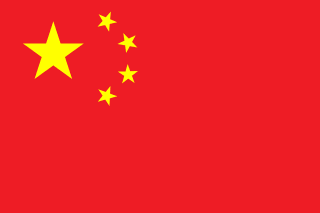
As NATO adapts to a changing US role through greater European burden-sharing, Secretary General Mark Rutte says the alliance must also prepare for China's emergence as a long-term strategic challengehttps://t.co/LX3h2H0o6o News Analysis & Summary The article discusses how NATO is recalibrating its strategy in response to a changing U.S. role, which increasingly emphasizes European allies taking on greater defense responsibilities. Secretary General Mark Rutte underscores that this adaptation is not just about internal burden-sharing; the alliance must also confront China's emergence as a persistent strategic challenge. This involves preparing for cyber threats, technological competition, and influence operations that extend beyond the traditional focus on Russia. In my opinion, this dual pivot is both necessary and risky. The U.S. has long been the backbone of NATO, but its shift toward the Indo-Pacific and domestic political pressures make European burden-sharing inevitable. However, Europe must genuinely increase spending and capabilities, not just pledge. Meanwhile, treating China as a long-term strategic challenge is wise, but NATO must avoid overstretching or conflating economic competition with military confrontation. The key is a balanced, coordinated approach that strengthens the alliance without provoking unnecessary conflict. Source: @trtworld on X/TwitterPublic Engagement Views: 3,415 Likes: 6 Comments: 1 Shares: 5 Published: July 6, 2026, 9:45 pm

No comments yet. Be the first to comment!

Your trusted source for breaking news, in-depth analysis, and comprehensive coverage of today's most important stories.
Get daily updates on breaking news, exclusive interviews, and special features delivered to your inbox.
Have a news tip or want to get in touch with our editorial team? We're here to help.
Plot C3-C Jaypee Wishtown Sector 129 Noida Uttar Pradesh 201304 India