

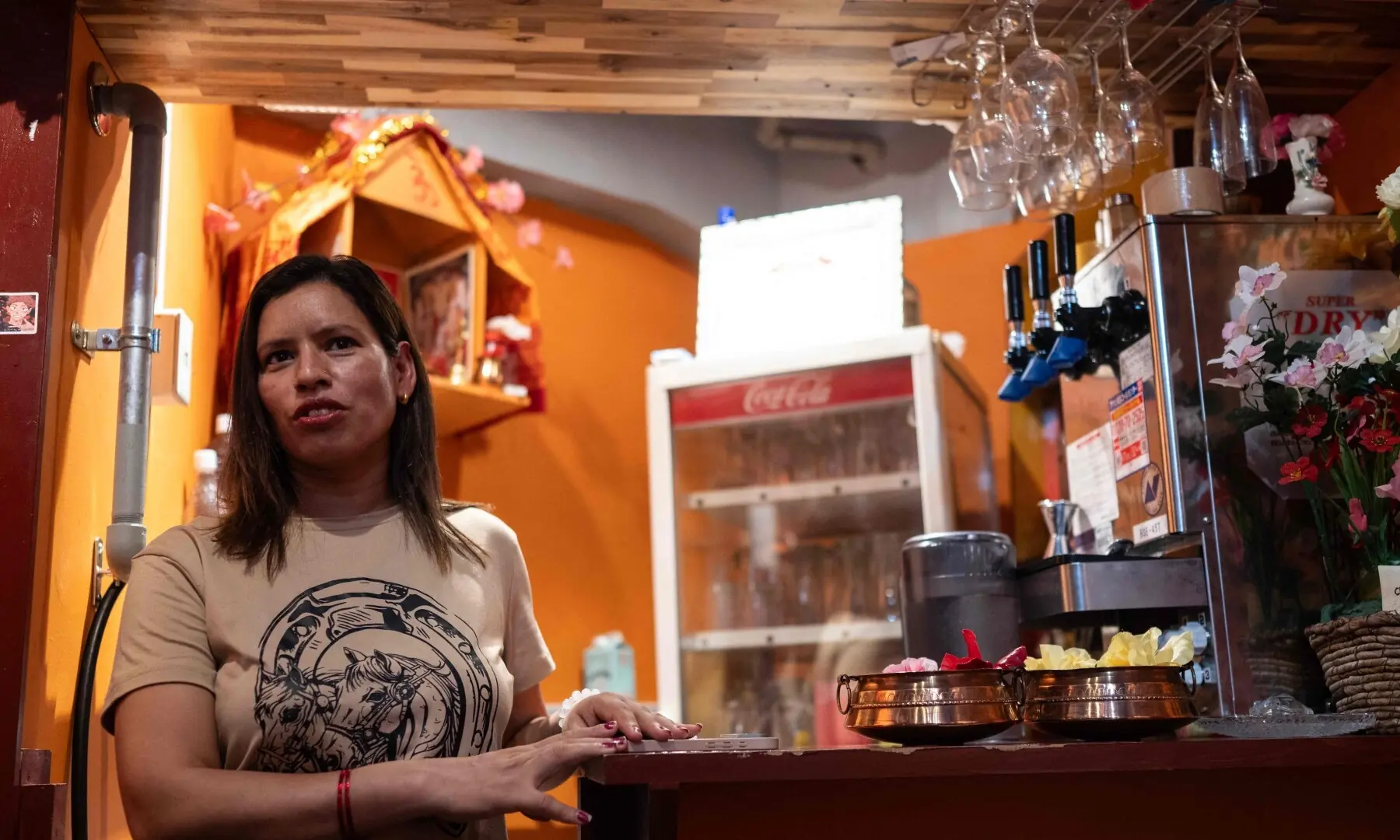
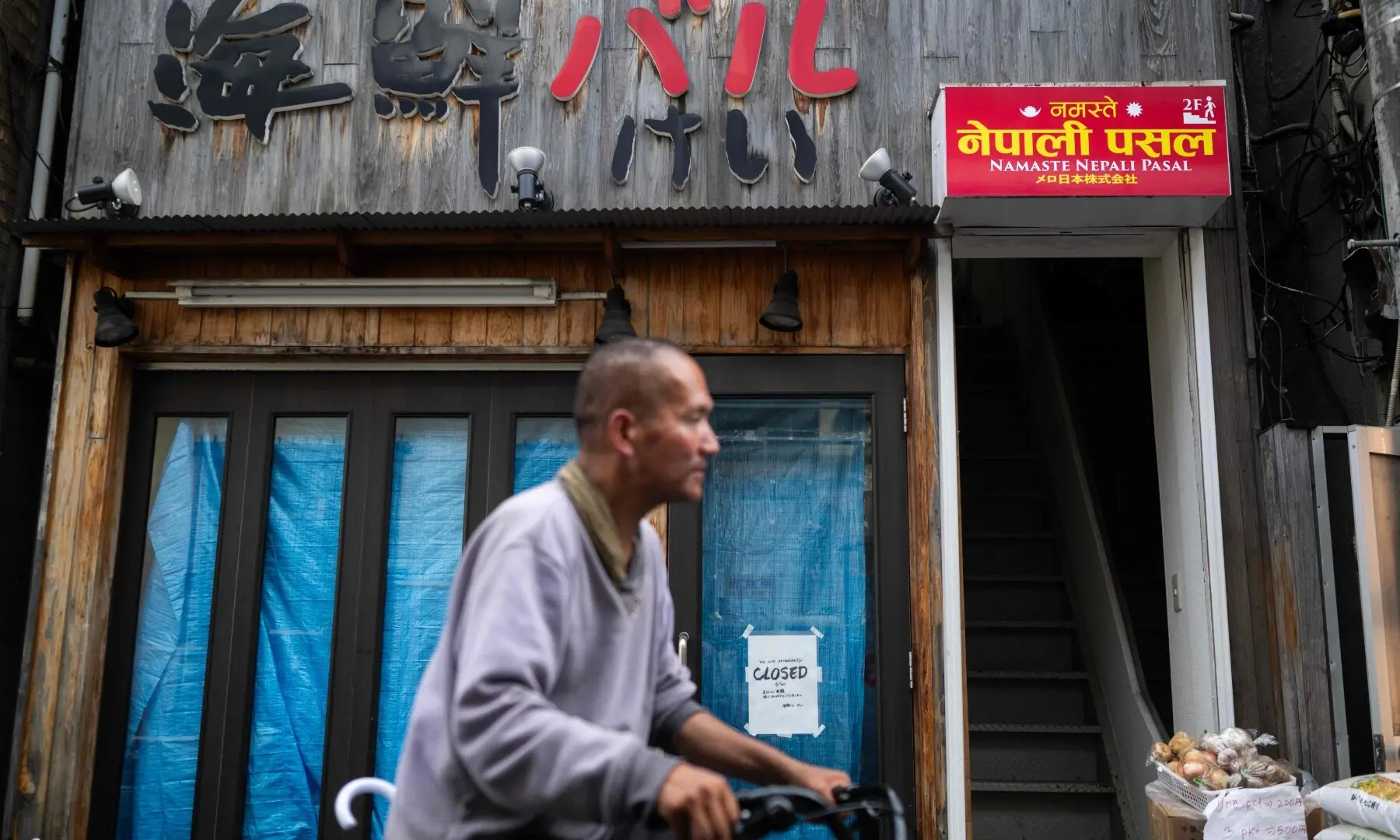
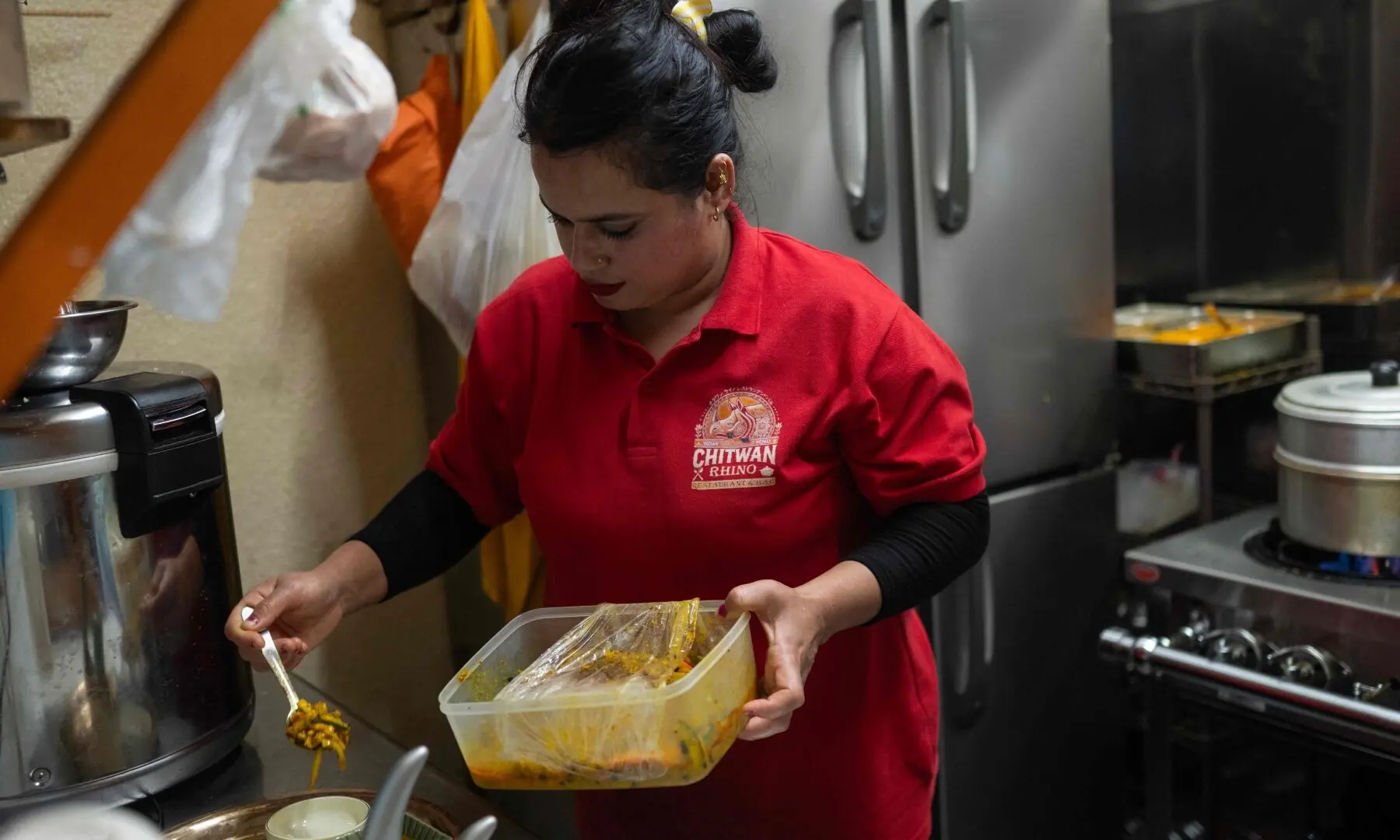
In a tiny Tokyo restaurant filled with the smell of Nepalese dumplings, Budhathoki Samjhana surveys the business she built from scratch but may now have to give up as Japan tightens visa rules.
Even though Japan has a rapidly ageing population and is suffering labour shortages in many sectors, opposition to immigration is growing and the new rules for business manager visas were introduced by the ruling Liberal Democratic Party in late 2025.
Nepalese national Budhathoki, who spent a decade away from her young daughter to create a new life for them in Tokyo, faces expulsion from the country because she may not be able to meet the specifications.
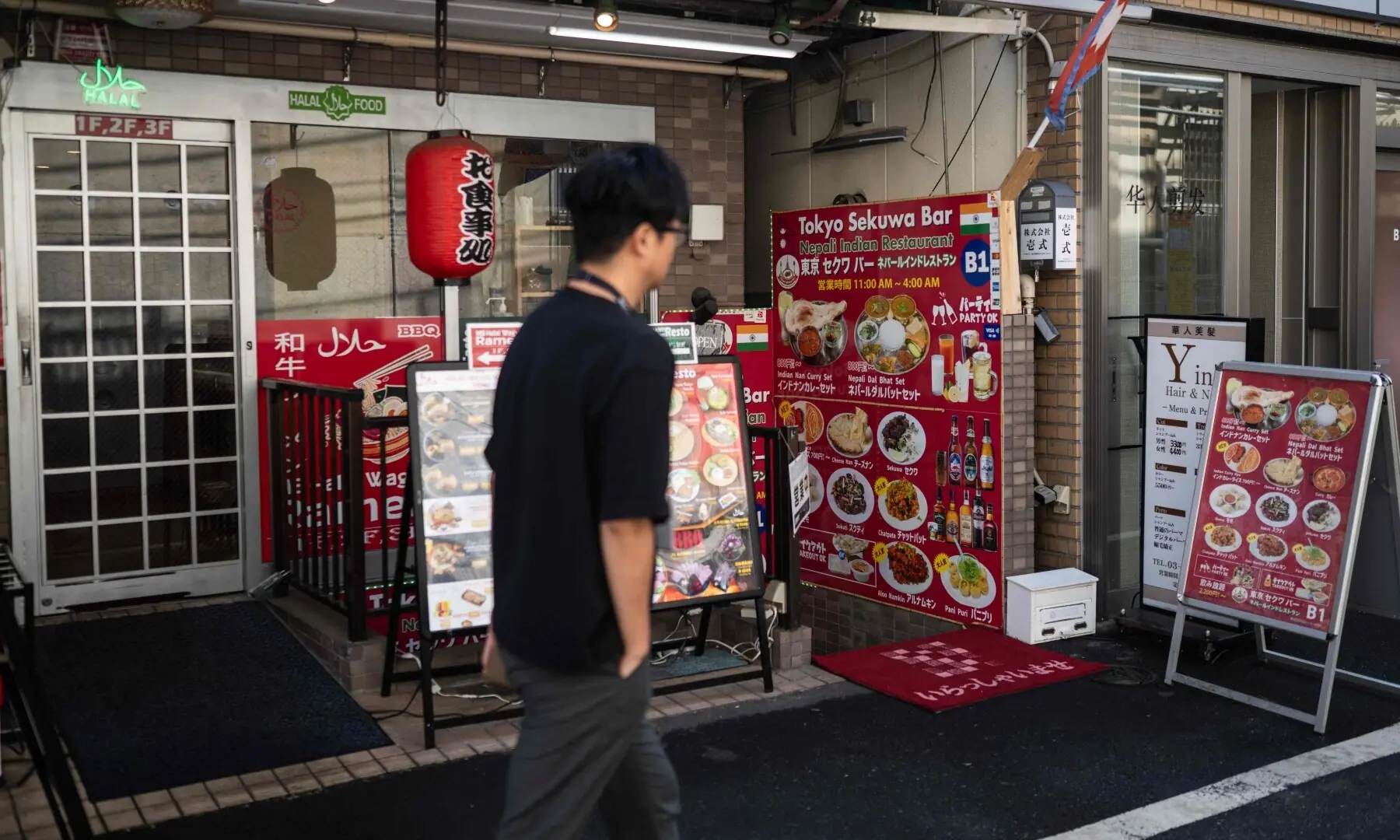
“I always wanted to become a bridge between Japan and Nepal … but my dream is broken,” the 38-year-old told AFP from the capital’s Okubo district, where her restaurant is nestled alongside Vietnamese cafes, Indian curry houses and Korean barbecue joints.
The stricter rules come as some residents complain of overtourism and soaring land prices in part due to foreign investment, prompting a push by Japanese Prime Minister Sanae Takaichi for tighter regulations on foreign nationals.
Her government announced last month a sharp increase in visa fees for some tourists for the first time in nearly 50 years, hiking the cost for single and multiple entry permits five-fold.
And while business manager visa holders have a three-year grace period to meet the new conditions, some thriving businesses — including many popular eateries in Okubo — fear they won’t manage.
“The biggest problem is the increase in capital requirement to 30 million yen ($185,000) from 5 million ($30,000),” said Budhathoki, leafing through receipts as the scent of freshly cooked Nepalese momos wafts in from the kitchen.
“It’s impossible”.
Budhathoki came to Japan as a student in 2016 and saved for years to open her first restaurant in 2023.
After opening her third eatery in January, she finally brought her 14-year-old daughter from Nepal following a decade of separation and she is now enrolled in a Japanese school.
“Now, I’m very worried not about myself but about my daughter… What did I do to her?” she said.
“My heart pounds when I think about the next visa renewal.”
Indian restaurant owner Manish Kumar, who has lived in Japan for three decades, has already been told his business manager visa won’t be renewed, in spite of the grace period.
He doesn’t know exactly why but visa experts say immigration officials have become more rigorous, demanding more documentation, including tax receipts and social insurance premiums.
“My children only speak Japanese … and we’re told to go back to India,” Kumar tearfully explained at a gathering about the visa issue last month.
More than 67,800 people have signed a petition calling for the suspension of the new rules.
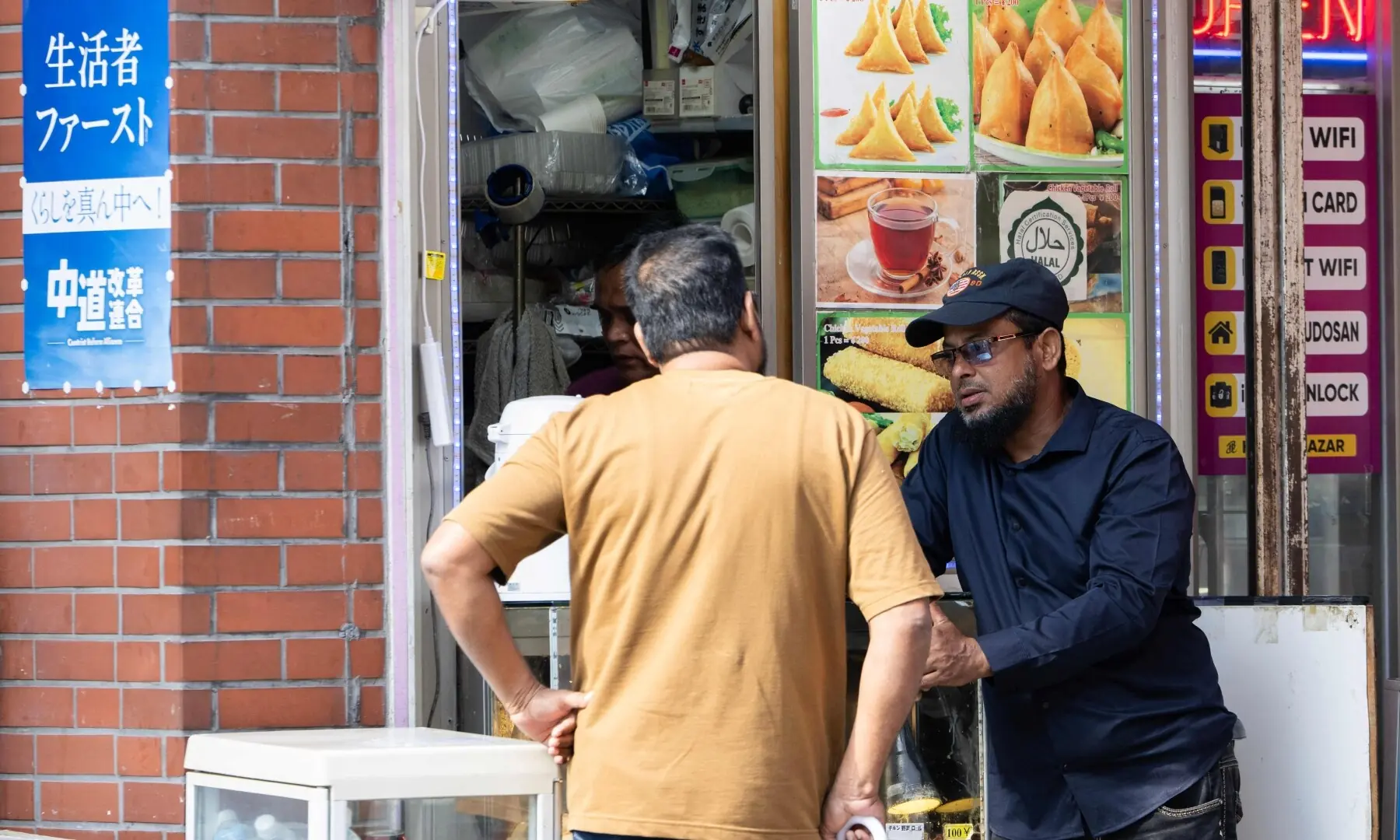
“What happened to him was shocking,” petition organiser Taro Tsurugashima said of Kumar, who ran a restaurant in Saitama, near Tokyo, for 18 years.
“He is one of my friends, and he is a trusted member of a business community”, Tsurugashima told AFP.
The tightening of regulations comes after the justice ministry in May last year announced a “zero illegal foreign residents” plan to address public concern.
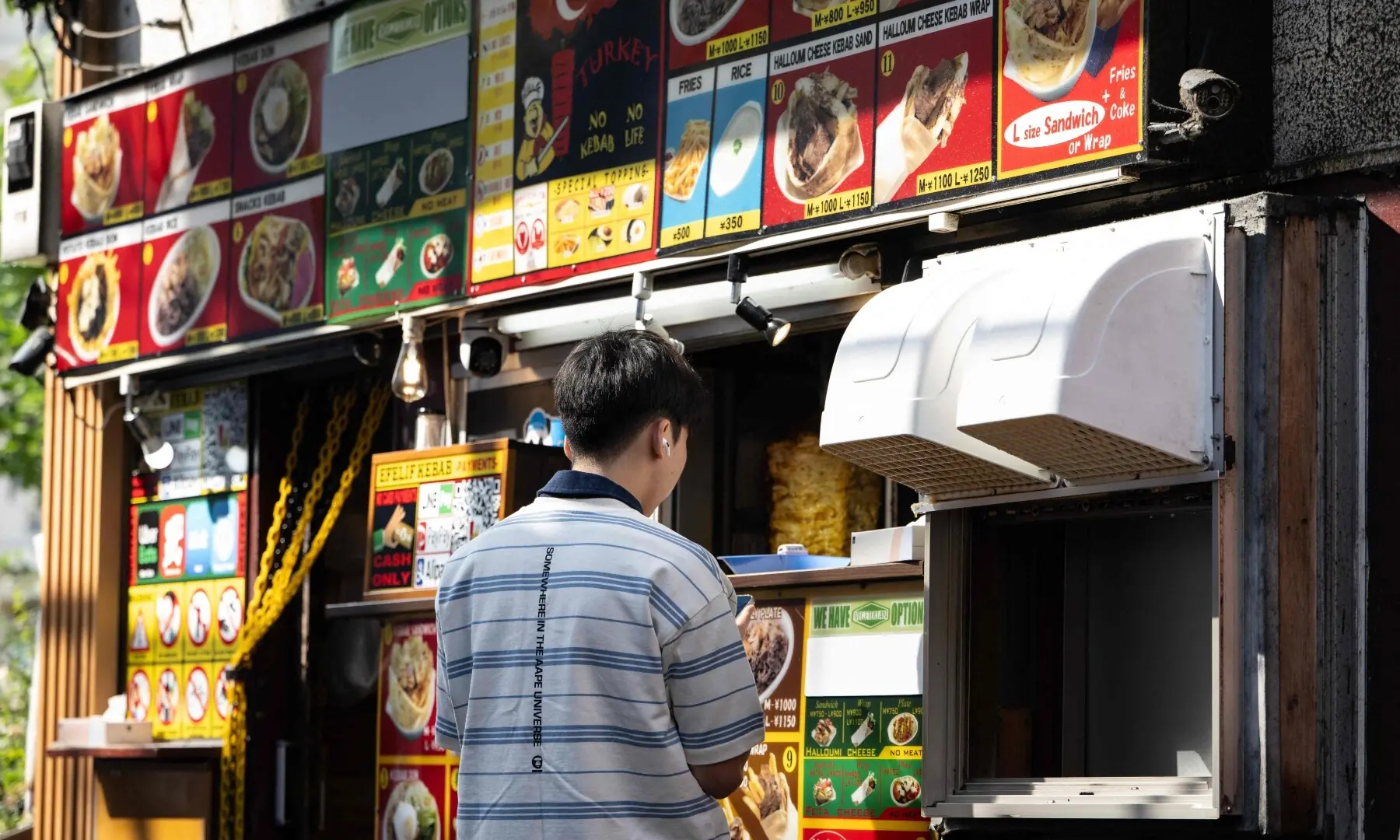
Super-ageing Japan has one of the world’s lowest birth rates, and increasing immigration could help reverse its falling population.
But foreigners were a major issue in last year’s upper house election, which saw the sharp rise of the “Japanese-first” Sanseito party, which describes immigration as a “silent invasion”.
Since taking office in October, Takaichi has pledged stricter screening.
The business manager visa, meant to attract entrepreneurs, had become an easy route for would-be immigrants without real business plans, said Kazuki Yuda, an administrative affairs advisor.
The visa’s popularity surged, with around 46,000 holders by mid-2025 — up 70 per cent from 2020. About half were Chinese nationals, according to government data.
“We also started to see unscrupulous real estate agents telling people that they could secure a visa simply by purchasing property in Japan,” he said.
Daisuke Komori, another advisor on administrative affairs, told AFP that he had declined potential clients, “many of whom were Chinese”, seeking to move chiefly for their children’s education or to leave China.
However, Yuda and Komori both warned that the tougher measures were impacting “small restaurant owners” and “young entrepreneurs”, as well as the system’s abusers.
At an April parliament session, Justice Minister Hiroshi Hiraguchi said he had no plan to review the rules, but his ministry intends “to respond based on individual circumstances”.
Among other new requirements, a business manager visa holder must employ a Japanese national or long-term resident.
But with the shrinking population, “there’s not enough Japanese workers”, a 30-year-old Bangladeshi man who runs a trading business in Tokyo told AFP.
Under these circumstances, “who will apply for a job at a company whose manager’s status is unstable with a visa that has to be renewed every year?”
Header image: A man passes a mural in the Okubo–Shin area in Tokyo on June 12, 2026, a neighbourhood known for its large immigrant communities, including Korean, Southeast Asian and South Asian residents. — AFP

No comments yet. Be the first to comment!

Your trusted source for breaking news, in-depth analysis, and comprehensive coverage of today's most important stories.
Get daily updates on breaking news, exclusive interviews, and special features delivered to your inbox.
Have a news tip or want to get in touch with our editorial team? We're here to help.
Plot C3-C Jaypee Wishtown Sector 129 Noida Uttar Pradesh 201304 India