
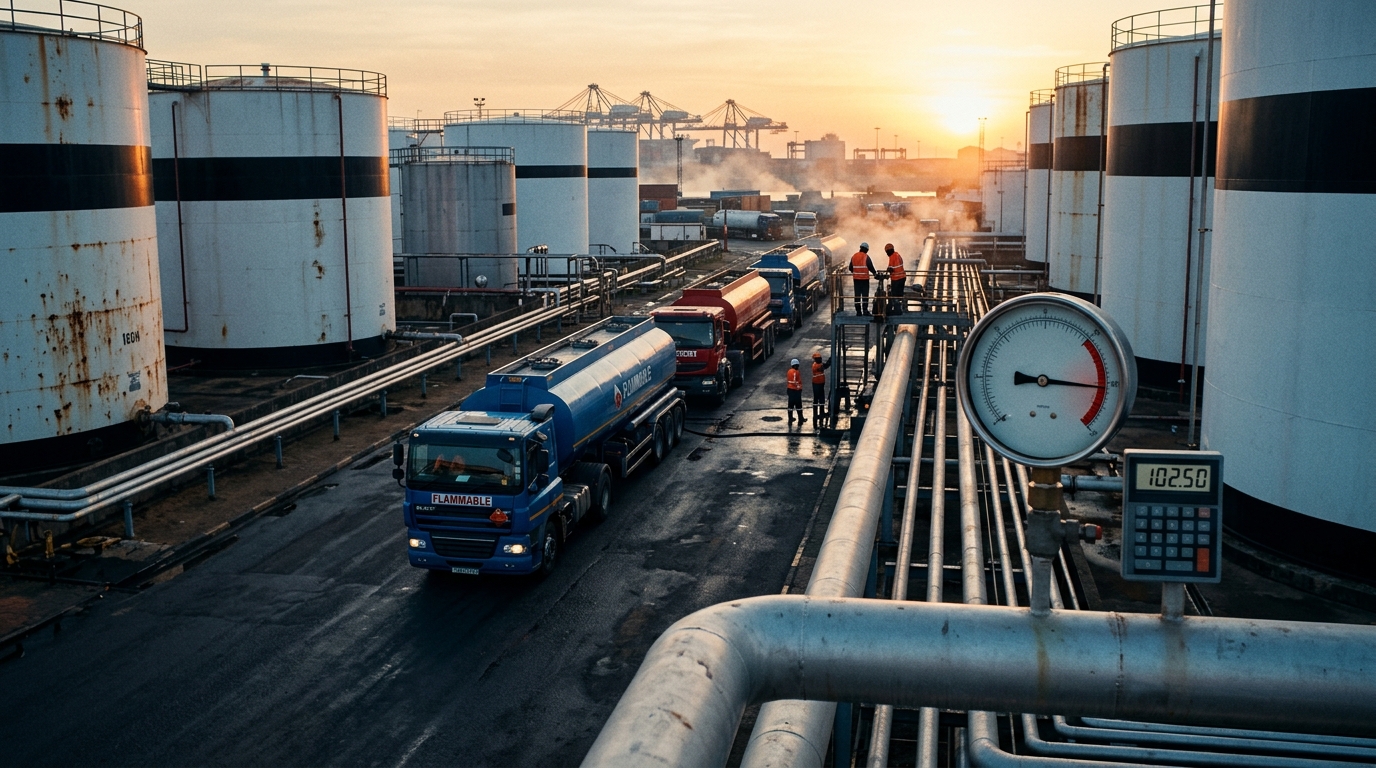
Nairobi, April 16, 2026 - Kenyan authorities have announced a sharp 24% increase in fuel prices effective immediately, citing the surge in global oil costs triggered by the ongoing US-Iran tensions and the naval blockade in the Strait of Hormuz.
The Energy and Petroleum Regulatory Authority (EPRA) confirmed the new prices today, with petrol rising from KSh 198.50 to KSh 246.20 per litre, diesel from KSh 189.70 to KSh 235.20 per litre, and kerosene from KSh 175.80 to KSh 218.00 per litre. This marks one of the steepest single-month fuel price hikes in recent Kenyan history.
Kenya Raises Fuel Prices by 24% as Global Oil Costs Surge Amid Conflict | Asia One News#Kenya #FuelPrices #OilPrices #EnergyCrisis #GlobalMarkets #AsiaOne #AsiaOneNews pic.twitter.com/7P8wfE2Z8z
- ASIA ONE NEWS (@AsiaOne_News) April 16, 2026
EPRA attributed the increase directly to elevated international crude oil prices and higher shipping insurance costs caused by disruptions in the Strait of Hormuz, through which nearly 20% of the world's oil supply passes. The U.S. naval blockade of Iranian ports, enforced since April 13, has led to rerouting of tankers and a significant jump in global Brent crude prices.
The price surge is expected to have a cascading effect on the Kenyan economy. Transport costs, food prices, and manufacturing expenses are likely to rise, putting additional pressure on households already struggling with inflation. Public transport fares and the cost of goods are anticipated to increase in the coming weeks.
Energy Cabinet Secretary Opiyo Wandayi acknowledged the hardship but stated that the government had no choice but to pass on the global price shock. He announced limited relief measures, including a temporary reduction in road maintenance levy and calls for oil marketing companies to absorb part of the margin.
Opposition leaders and consumer rights groups have strongly criticized the hike, accusing the government of failing to build adequate strategic reserves or diversify energy sources. Many Kenyans took to social media to express frustration over the sudden burden on daily commuting and business operations.
The development highlights the vulnerability of oil-importing African nations to geopolitical conflicts in distant regions. As the fragile US-Iran ceasefire nears its April 22 deadline and diplomatic efforts continue, analysts warn that further price volatility could follow if tensions escalate

No comments yet. Be the first to comment!

Your trusted source for breaking news, in-depth analysis, and comprehensive coverage of today's most important stories.
Get daily updates on breaking news, exclusive interviews, and special features delivered to your inbox.
Have a news tip or want to get in touch with our editorial team? We're here to help.
Plot C3-C Jaypee Wishtown Sector 129 Noida Uttar Pradesh 201304 India
