
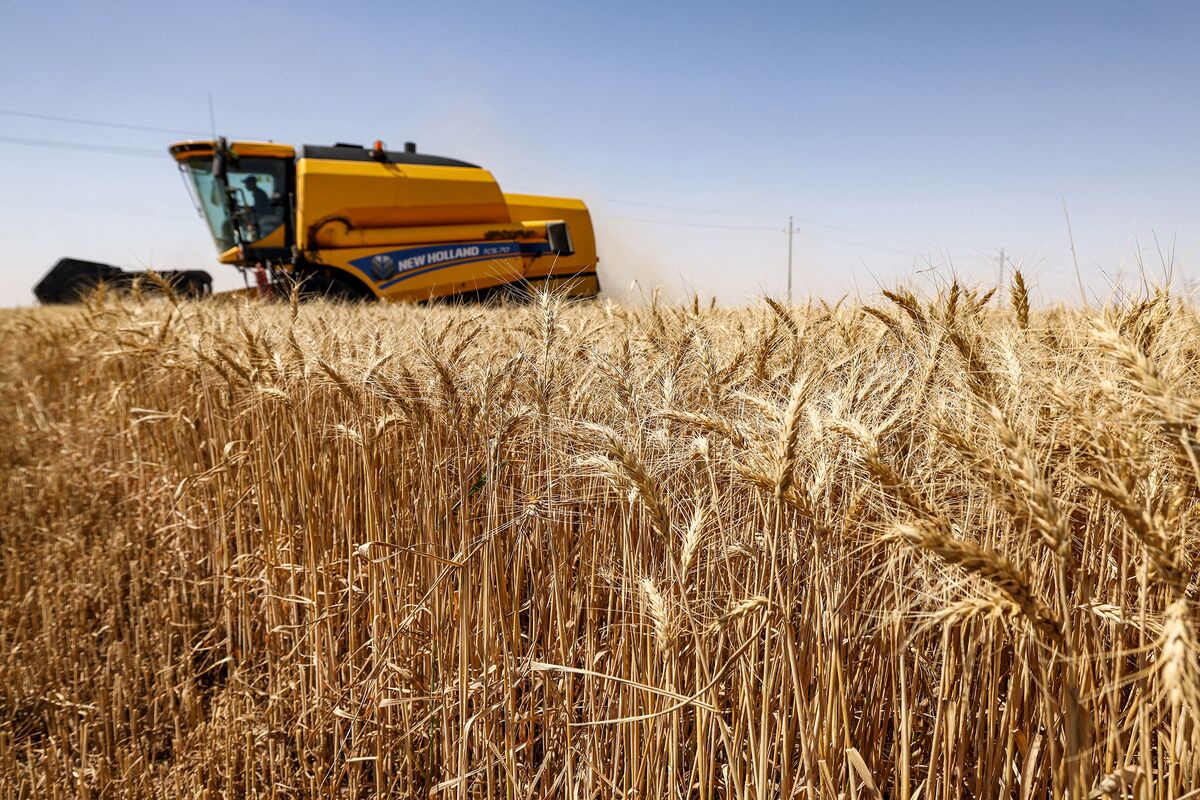
BAGHDAD / NAJAF - As farmers across central and southern Iraq begin the annual wheat harvest, early indicators point to a potential bumper crop, with the government forecasting a 20% increase in production compared to last year . However, beneath the optimistic surface, many growers report mounting financial pressures from rising input costs, persistent water shortages, and delayed government payments .
The harvest, which officially began in late April in the southern provinces and is now moving northward, is expected to continue through June. The Iraqi Ministry of Agriculture has deployed over 1,200 combine harvesters and established 65 purchasing centers nationwide to receive the crop directly from farmers .
Iraq Farmers Begin Wheat Harvest Amid Higher Yields & Financial Struggles | Asia One News#Asiaone #EnglishNews #AsiaOneNews #Iraq #WheatHarvest #Agriculture #Najaf #MiddleEast pic.twitter.com/Octa4emGS9
- ASIA ONE NEWS (@AsiaOne_News) May 7, 2026
A Promising Season
Favorable winter rains and improved water releases from the Tigris and Euphrates rivers have revived some parched farmland, giving hope to a sector battered by four consecutive years of severe drought . The United Nations Food and Agriculture Organization (FAO) has also projected improved yields, though noting that the recovery remains fragile .
"The land has given us more this year than the last two years combined," said Abu Sadiq, a 58-year-old farmer in Najaf province, gesturing across his golden field. "The rains came at the right time. But now we need the government to pay us on time" .
The Iraqi government has set a procurement target of over 5 million tons of locally grown wheat, a figure that, if met, would significantly reduce Iraq's reliance on imports-currently estimated at 65% of the country's grain needs .
The Financial Reality
Behind the optimism, farmers face a difficult financial landscape:
Soaring Input Costs: The price of fertilizers, pesticides, and fuel has more than doubled over the past year, squeezed by global supply chain disruptions and the ongoing Middle East conflict .
Delayed Payments: Many farmers from previous seasons report waiting up to eight months for government payments, forcing them to borrow from private lenders at crippling interest rates .
Water Uncertainty: Despite better rains, upstream water management remains a source of tension, with Turkey and Iran controlling the headwaters of the Tigris and Euphrates .
"We are harvesting a good crop, but we are harvesting debt alongside it," said Mohammed al-Tamimi, a wheat farmer in Diwaniyah. "The government pays us late, but the banks do not wait. Every sack of wheat I harvest, a portion already belongs to someone else" .
Government Measures
The Ministry of Trade has announced a procurement price of 850,000 Iraqi dinars (approximately $560) per ton of wheat-a 15% increase over last year's price . The Ministry of Agriculture has also distributed subsidized seeds and provided low-interest loans through the Agricultural Bank of Iraq .
"We are committed to supporting our farmers," said Agriculture Minister Abbas Jabr al-Maliki in a statement. "This season's harvest will reduce our import bill and strengthen national food security" .
However, farmers' unions argue that the measures are insufficient. "The procurement price does not reflect the real cost of production," said Raad al-Tamimi, head of the Iraqi Farmers Union. "After accounting for fuel, labor, and equipment, many farmers will barely break even" .
Climate Challenges Persist
Despite this year's improved conditions, Iraq remains one of the world's most water-stressed countries. The United Nations has ranked Iraq as the fifth-most vulnerable nation to climate change, with desertification threatening 39% of its territory .
"One good season does not solve a decade of mismanagement and climate change," warned Dr. Hazem al-Nouri, a water resources expert at Baghdad University. "Without a long-term strategy for water security, Iraq will continue to lurch from crisis to crisis" .
The Broader Context
The wheat harvest comes at a time of significant economic strain for Iraq. The country's budget remains heavily dependent on oil revenues, and the ongoing instability in the Strait of Hormuz has exposed the fragility of Iraq's food import supply chains .
A successful domestic harvest could provide a critical buffer against potential import disruptions. "Every ton of wheat harvested in Iraq is a ton we do not need to import through Hormuz," said economic analyst Ali al-Moussawi. "In this environment, that is not just an economic calculation-it is a security imperative" .
The Harvest Continues
As the combines roll across the fertile plains of the Mesopotamian heartland, farmers express a mixture of pride and apprehension.
"This is our land. This is our work," said Abu Sadiq, wiping sweat from his brow as the afternoon sun beat down. "But pride does not pay the bills. We need the government to stand with us-not just with words, but with money in our hands" .
For now, the focus remains on bringing in the crop before the summer heat peaks. In the weeks ahead, Iraq will discover whether this year's promise translates into lasting relief-or merely a brief respite from deeper, structural struggles.

No comments yet. Be the first to comment!

Your trusted source for breaking news, in-depth analysis, and comprehensive coverage of today's most important stories.
Get daily updates on breaking news, exclusive interviews, and special features delivered to your inbox.
Have a news tip or want to get in touch with our editorial team? We're here to help.
Plot C3-C Jaypee Wishtown Sector 129 Noida Uttar Pradesh 201304 India
