
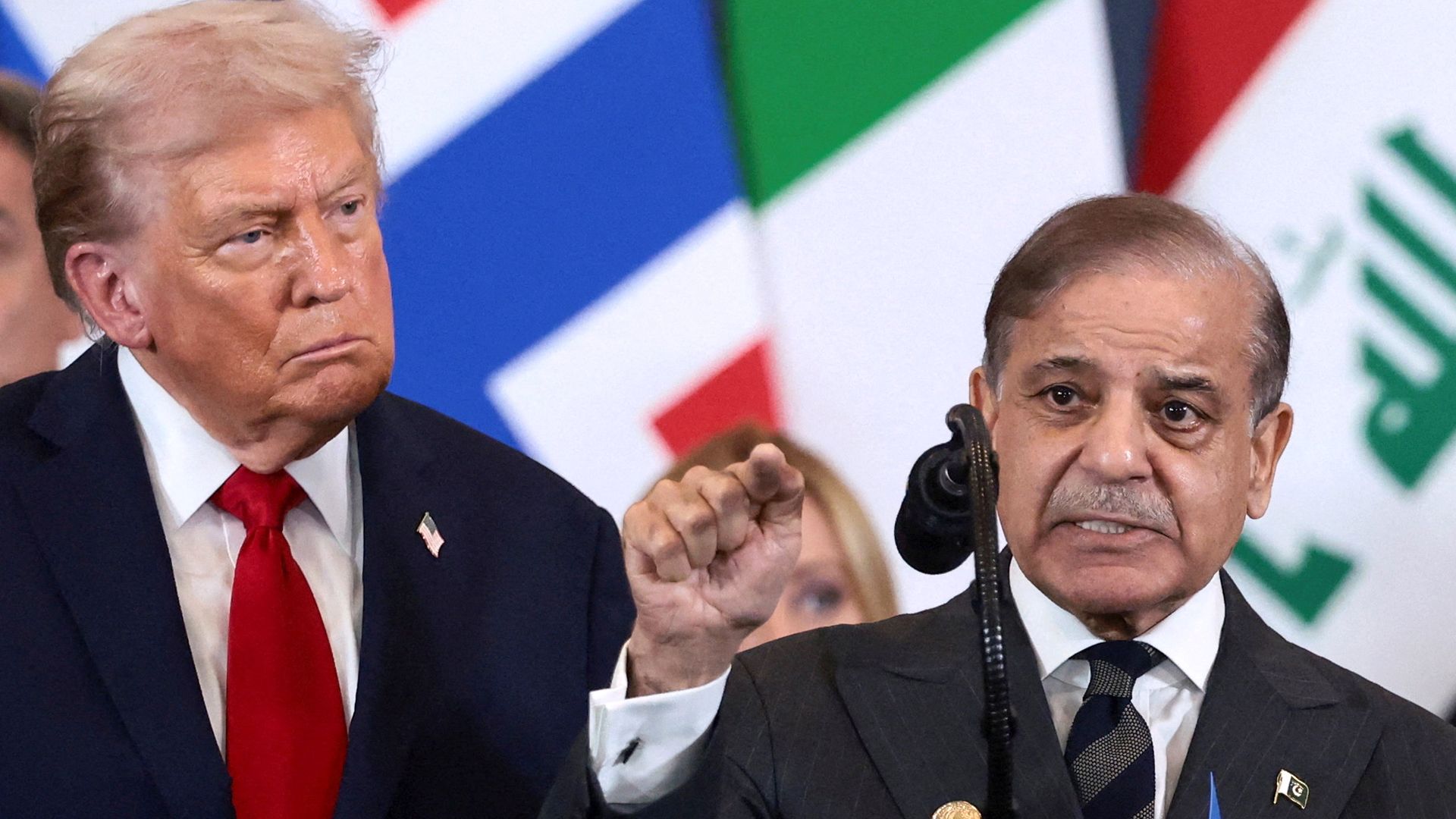
TEHRAN / ISLAMABAD - Iran's Foreign Minister Seyed Abbas Araghchi and Pakistan's Chief of Army Staff, Field Marshal Syed Asim Munir, held a crucial phone call on Thursday to discuss the recent escalation of US military strikes against Iranian territory. During the conversation, Iran accused the United States of violating the recently signed Islamabad Memorandum of Understanding (MoU) and continuing its "war-mongering policies," according to Iranian state media .
The high-level call comes as a fragile ceasefire, painstakingly brokered by Pakistan, has all but collapsed, with both Washington and Tehran engaging in a second consecutive day of military strikes. The US airstrikes, which have included attacks on Iran's strategic Chabahar Port, have significantly widened the conflict beyond the Strait of Hormuz .
During the call, Araghchi explicitly accused the United States of violating the terms of the MoU, which had established a 60-day window for negotiations and included commitments for a complete halt of military operations on all fronts . He warned against any "adventurism" by the US military and reaffirmed Iran's determination to defend its territorial integrity .
"The US actions are clear violations of the commitments made under the Islamabad MoU," an Iranian official briefed on the call told reporters. "Iran views these strikes as a continuation of aggressive policies that undermine the diplomatic efforts led by Pakistan."
Field Marshal Munir, who has emerged as a central figure in US-Iran diplomacy due to his unique credibility with both Washington and Tehran, received Iran's complaints as part of Pakistan's continued efforts to prevent further escalation . Pakistan has consistently urged both sides to exercise restraint and abide by their commitments under the Islamabad MoU .
Pakistan's emergence as the primary mediator was a strategic outcome driven by necessity. While Oman criticized the US and Israel, and Qatar, due to its hosting of the largest US military base in the Middle East, was not seen by Iran as an impartial party, Pakistan offered a rare combination of trust and neutrality .
Field Marshal Munir enjoys a high degree of trust from President Trump, and crucially, there are no US military bases on Pakistani soil, a factor that won Iran's favor . Historically, Pakistan has played a similar "broker" role in major geopolitical rifts, including its facilitation of Sino-US rapprochement.
Analysts note that despite the current escalation, the "Islamabad channel" remains the most viable route for any potential follow-up negotiations between the US and Iran . Pakistan is actively engaged in shuttle diplomacy, working alongside Qatar, to persuade both Washington and Tehran to return to the negotiating table.
The recent attacks have also highlighted the significant risks for Pakistan's diplomatic standing. Any misstep could alienate either the US or Iran, derailing its carefully calibrated mediation efforts. Furthermore, the expanding conflict has threatened major infrastructure projects like the China-Pakistan Economic Corridor (CPEC) and placed Pakistan in a delicate position as it seeks to protect its own investments, such as the development of the Gwadar Port, which competes directly with Iran's Chabahar Port .

No comments yet. Be the first to comment!

Your trusted source for breaking news, in-depth analysis, and comprehensive coverage of today's most important stories.
Get daily updates on breaking news, exclusive interviews, and special features delivered to your inbox.
Have a news tip or want to get in touch with our editorial team? We're here to help.
Plot C3-C Jaypee Wishtown Sector 129 Noida Uttar Pradesh 201304 India
