
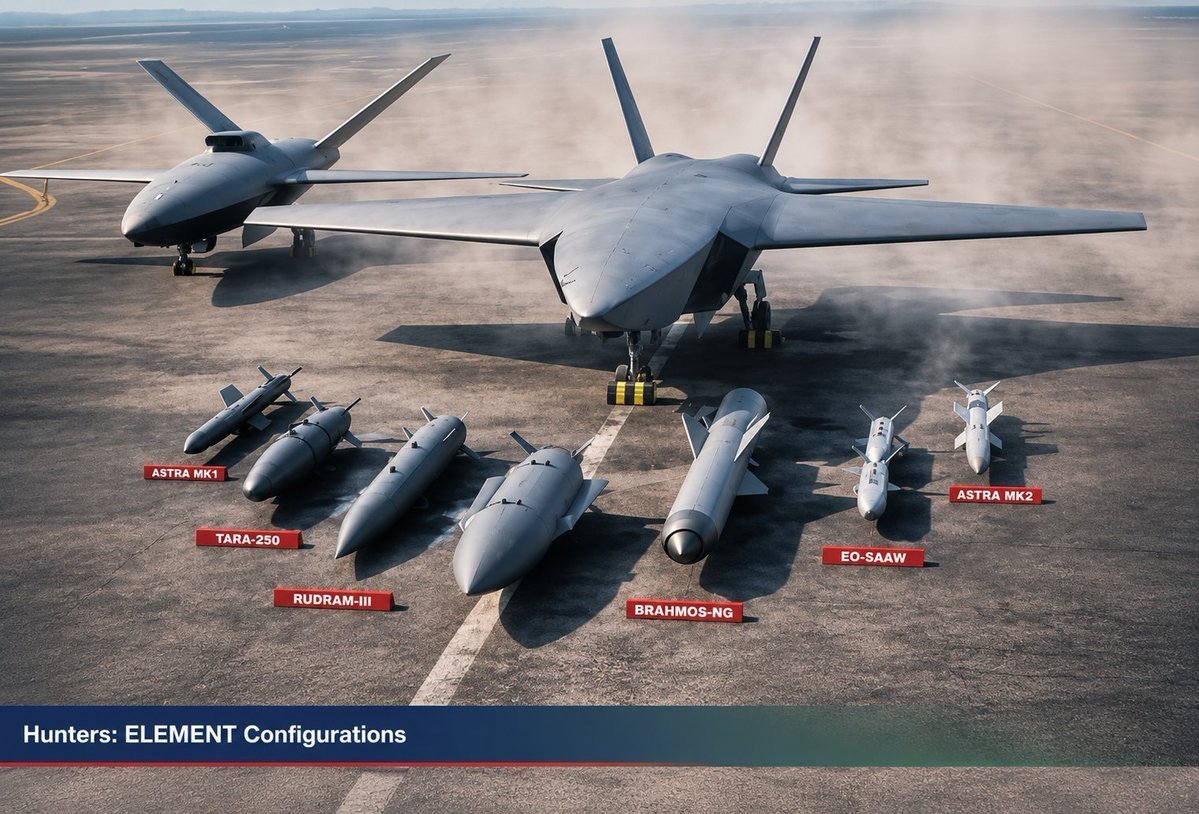
"India is looking to develop a twin engine CATS Warrior Loyal Wingman. The aim is to increase the MTOW to 9 Tonnes ... Well, it is good but nothing on ground!I'd praise Turkey here, as they not only developed Kizilelma Unmanned Fighter and it has even successfully deployed Air-to-Air & Air-to-Ground weapons."
India has set its sights on developing the CATS Warrior, a twin-engine loyal wingman UAV, as part of its evolving defense strategy. The primary objective is to increase the maximum takeoff weight (MTOW) to 9 tonnes, which would enable a wide range of operational capabilities. This move comes as part of Indias broader ambition to bolster its indigenous defense manufacturing capabilities and reduce reliance on foreign technology.
While the CATS Warrior concept is indeed ambitious, it has yet to translate into tangible achievements on the ground. Critics argue that while plans are being announced, actual development and deployment remain lagging. Comparatively, Turkey has made significant strides in this domain with its Kizilelma Unmanned Fighter, which successfully integrates both air-to-air and air-to-ground weaponry. The praise for Turkey serves as a reminder of the rapid advancements that can be made when committed resources and strategic focus are applied.
The global defense community has taken note of Indias aspirations, viewing its efforts both as a challenge and an opportunity for regional dynamics. Countries like the United States and Russia are actively engaging with India in defense technology cooperation, hoping to cultivate a strengthened partnership as India seeks to modernize its military capabilities. Moreover, regional neighbors are closely monitoring these developments, recognizing both the potential and the risks associated with an armed India moving towards enhanced aerial warfare capabilities.
As India continues its pursuit of the CATS Warrior, it is essential to frame this initiative positively. This development reflects India's commitment to strengthening its defense infrastructure, enhancing its security posture, and reinforcing its role as a responsible regional player. With successful execution, the CATS Warrior could not only enhance Indias strategic capabilities but also contribute positively to defense collaborations within South Asia. Looking ahead, it is important for stakeholders to ensure that regional stability is maintained while pursuing these advancements, fostering a spirit of cooperation rather than competition.


No comments yet. Be the first to comment!

Your trusted source for breaking news, in-depth analysis, and comprehensive coverage of today's most important stories.
Get daily updates on breaking news, exclusive interviews, and special features delivered to your inbox.
Have a news tip or want to get in touch with our editorial team? We're here to help.
Plot C3-C Jaypee Wishtown Sector 129 Noida Uttar Pradesh 201304 India