
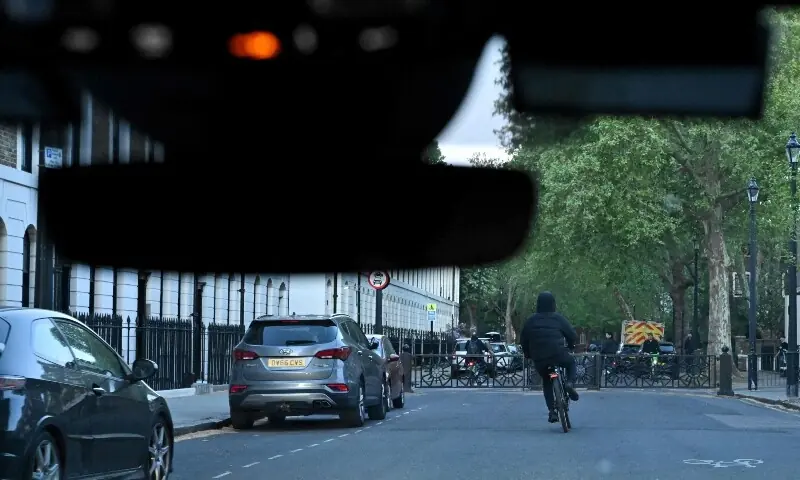
Balaclavas and e-bikes have become the armour of teenage boys zooming around London streets, snatching mobile phones from unsuspecting commuters and tourists.
As AFP joined a patrol on a sunny Friday night, police officer Hayden O’Connor spotted potential victims everywhere — people holding out phones to follow directions or listening to music.
“You see, your bus is in 20 minutes, you get your phone out, start scrolling Instagram, and before you know it, there’s a whizzy whirl of an e-bike coming towards you and your phone is gone,” he said.
O’Connor is part of the interceptor teams now driving around London in unmarked vehicles.
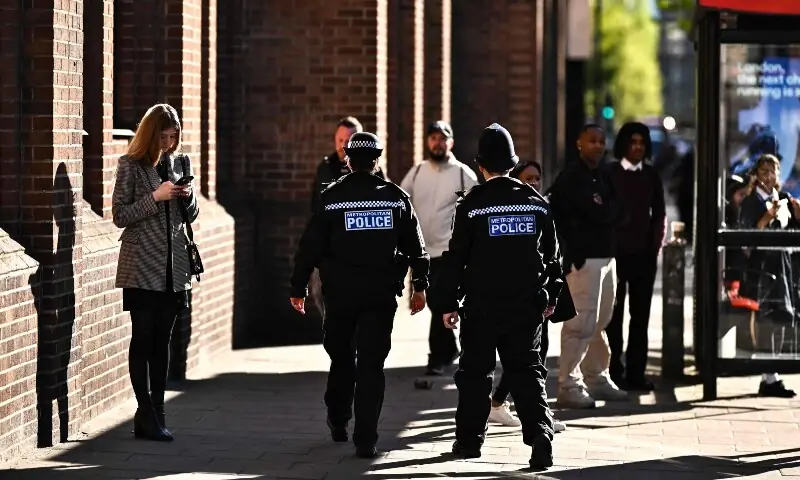
They follow reports of stolen phones, but the chances of getting one back are “really, really slim”, his colleague, police officer Hayley Carr, conceded.
London’s Metropolitan Police force has invested heavily in clamping down on the phenomenon, which has seen the city dubbed Europe’s phone theft capital.
Tackling phone theft has been made a priority, and extensive operations using drones, live facial recognition, and interceptor teams have led to some success.
Phone thefts fell by 12.3 per cent from 81,365 in 2024 to 71,391 in 2025, according to Met figures.
There were 13,000 fewer mobile phone thefts over the past financial year ending on March 31.

What seems like a petty street crime has far-reaching tentacles, with phones stolen in London often exported, reactivated and resold overseas within days.
One of the most high-profile victims in recent months was Prime Minister Keir Starmer’s former top political aide, Morgan McSweeney, who had his phone snatched in October.
Last year, the Met dismantled one international gang suspected of smuggling some 40,000 stolen phones from the UK to China.

No comments yet. Be the first to comment!

Your trusted source for breaking news, in-depth analysis, and comprehensive coverage of today's most important stories.
Get daily updates on breaking news, exclusive interviews, and special features delivered to your inbox.
Have a news tip or want to get in touch with our editorial team? We're here to help.
Plot C3-C Jaypee Wishtown Sector 129 Noida Uttar Pradesh 201304 India