
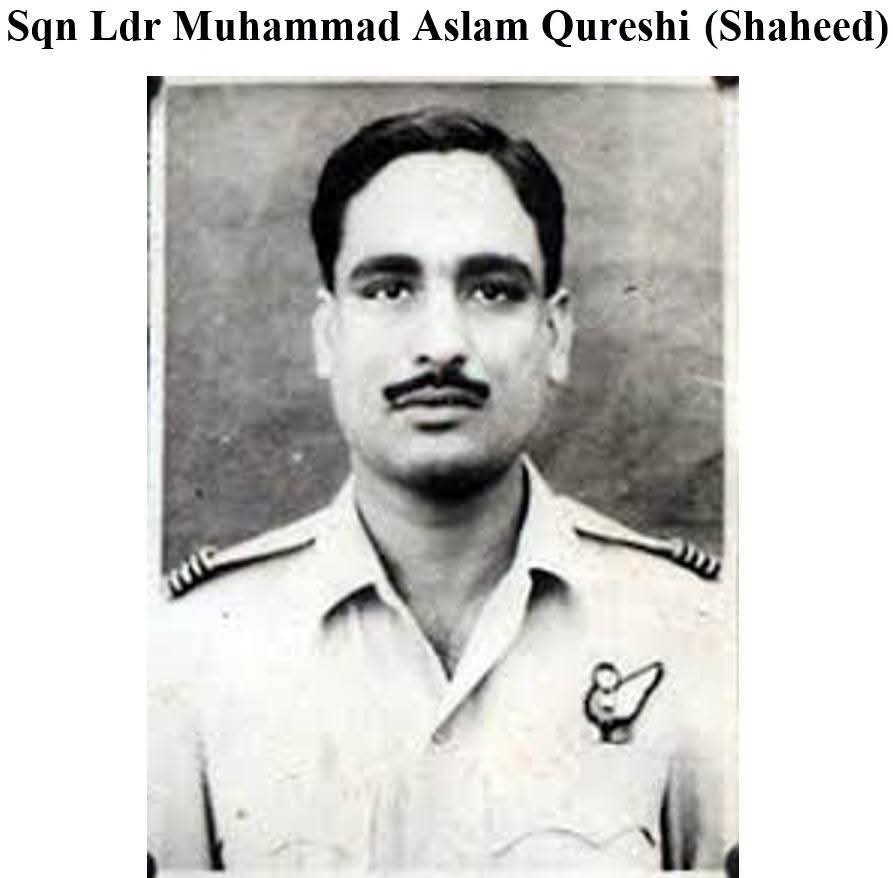
"OTD Today in History On 07 September 1965, with unrelenting resolve Pakistan Air Force continued to engage the enemy deep in its territory, launching a series of daring strikes against vital Indian airfields despite darkness, distance and formidable enemy defences. https://t.co/81HFyA9dHG"
On this day in 1965, amidst rising tensions between India and Pakistan, the Pakistan Air Force (PAF) exhibited unmatched bravery and strategic foresight. The conflict stemmed from various territorial and political disputes, primarily over the Kashmir region, which had been a bone of contention since the partition of British India. The escalation of hostilities into full-blown war was inevitable, prompting both nations to mobilize their military forces.
Despite facing treacherous conditions including darkness and difficult terrain, the PAF engaged in several airstrikes targeting crucial Indian airfields. This calculated risk exemplified a resolve to protect national sovereignty and integrity. Analysts point out that these strikes not only aimed at crippling the enemy's operational capabilities but also boosted the morale of the Pakistani forces and populace. The bravery of the PAF pilots who undertook these missions remains a point of pride for the nation, serving as a testament to their commitment and skill.
The 1965 war between India and Pakistan did not go unnoticed in the international arena. Countries around the world watched as the conflict unfolded, with reactions varying. While Western powers generally leaned towards India, largely due to geopolitical alliances during the Cold War, there were voices advocating for peaceful resolutions. The United Nations eventually intervened, urging both nations toward dialogue and ceasefire, showcasing the complexity of international relations involved in regional conflicts.
The events of September 7, 1965, serve as a reminder of the importance of strategic military planning and national unity in times of crisis. They also highlight the need for continued dialogue and cooperation between nations to prevent armed conflict. As Pakistan reflects on its military history, the focus could be shifted towards building stronger relations with neighboring countries, promoting peace, and ensuring mutual prosperity through diplomacy.


No comments yet. Be the first to comment!

Your trusted source for breaking news, in-depth analysis, and comprehensive coverage of today's most important stories.
Get daily updates on breaking news, exclusive interviews, and special features delivered to your inbox.
Have a news tip or want to get in touch with our editorial team? We're here to help.
Plot C3-C Jaypee Wishtown Sector 129 Noida Uttar Pradesh 201304 India