📰 News Analysis & Summary
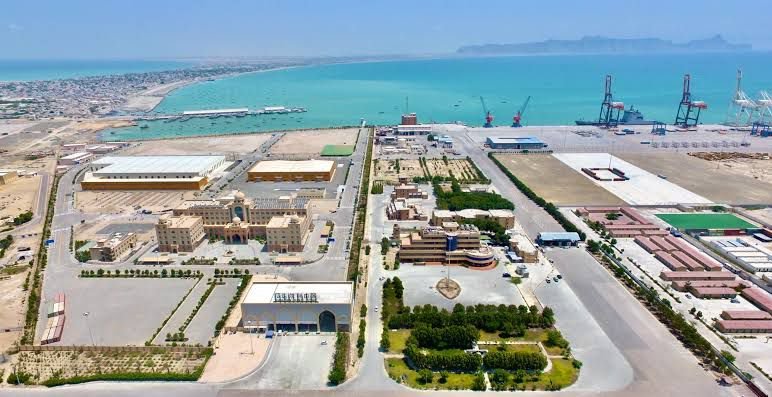
Construction of Gwadar Free Zone Phase 2 has officially begun, spanning over 2,200 acres with state-of-the-art infrastructure including container yards, bonded warehouses, and temperature-controlled storage. The zone is strategically tailored for fisheries, edible oil processing, halal food, light manufacturing, auto-assembly, and petrochemicals. Saudi and Kuwaiti governments are showing keen interest in establishing petroleum reserves (POL) within the zone, while Chinese auto companies are in talks for assembly plants. The project, funded under CPEC at a cost of $2 billion over several years, offers a 23-year tax holiday and 100% duty exemption on imported machinery. Supporting facilities such as a 1.2 million gallon-per-day desalination plant, national grid electricity supply, and a vocational and technical institute for local skill development have already been completed. In my opinion, the future prospects of Gwadar port are significantly bolstered by the ongoing Middle Eastern conflict. As traditional chokepoints like the Strait of Hormuz face heightened tensions, Gwadar offers a viable alternative trade corridor connecting Central Asia, China, and the Arabian Sea, reducing dependency on volatile routes. However, the increased control by the federal government could bring both benefits and risks: streamlined decision-making and security assurance on one hand, but potential bureaucratic slowdowns and political interference on the other. Overall, if infrastructure development keeps pace and geopolitical stability is maintained, Gwadar has the potential to become a pivotal hub for regional trade, energy transshipment, and industrial processing, positioning Pakistan as a key player in the shifting global supply chain landscape.
Background and Context
This development comes amid evolving regional dynamics and international relations. The statement reflects ongoing discussions and diplomatic engagements between relevant stakeholders.
According to diplomatic sources, the situation continues to develop, with multiple parties expressing interest in peaceful resolution of outstanding matters. Regional stability remains a priority for all involved parties.
Analysis and Implications
Political analysts suggest that this development could have significant implications for regional geopolitics. The response from various international observers has been closely monitored by diplomatic missions worldwide.
Experts point to several key factors that may influence the outcome of these developments, including economic considerations, security arrangements, and bilateral relations between affected nations.
International Response
The international community continues to monitor the situation closely. Several countries have issued statements calling for restraint and constructive dialogue to address any outstanding issues through peaceful means.
Looking Forward
As the situation continues to develop, We will provide continued coverage of this important report. Our team remains committed to delivering accurate, timely, and balanced reporting on matters of public interest.