
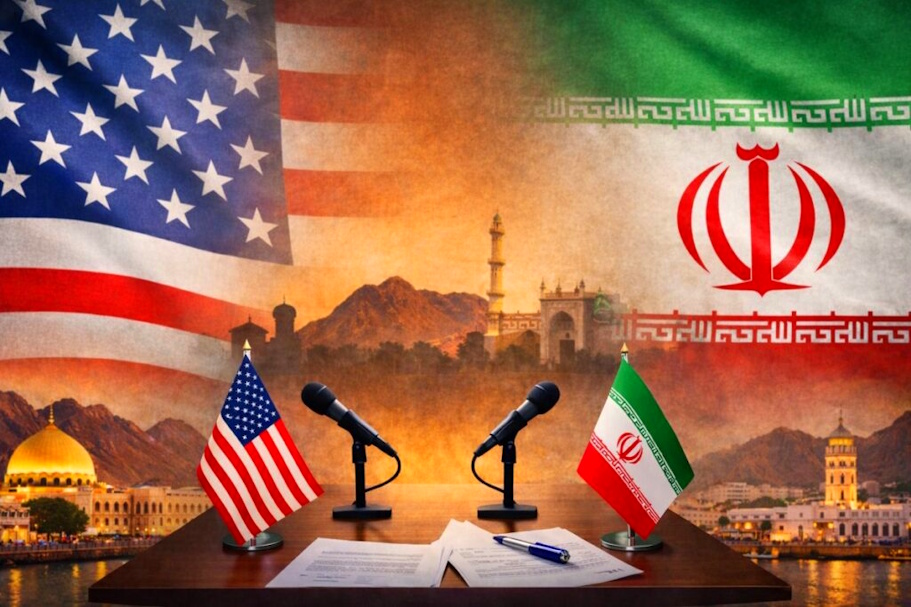
Dubai/Islamabad, April 12, 2026 - As high-stakes US-Iran peace negotiations continue in Islamabad under Pakistani mediation, Gulf Cooperation Council (GCC) countries have expressed cautious support for the process while voicing strong concerns over regional security, Iranian influence on the Strait of Hormuz, and the need for their voices to be heard.
Gulf Nations Response to US Iran talks in Islamabad | Fiona Nicole Mee | Asia One News#AsiaOne #EnglishNews #asiaonenews #USIranTalks #IslamabadTalks #BreakingNews #Geopolitics #PeaceTalks #Diplomacy pic.twitter.com/38dul5SR4j
- ASIA ONE NEWS (@AsiaOne_News) April 11, 2026
The talks, described by Pakistan's Prime Minister Shehbaz Sharif as a "make-or-break" moment, follow a fragile two-week ceasefire. Iranian delegation led by Parliament Speaker Mohammad Bagher Ghalibaf and Foreign Minister Abbas Araghchi met Sharif on Saturday, as did the US team headed by Vice President JD Vance.
Gulf Response Overview:
Most Gulf states have welcomed the ceasefire and the Islamabad talks as a positive step toward de-escalation. Saudi Arabia, UAE, Qatar, and others have publicly appreciated Pakistan's mediation efforts and urged all parties to build a lasting peace.
Gulf analysts and officials have highlighted deep concerns that any agreement granting Iran control or influence over the Strait of Hormuz - through which nearly one-fifth of global oil passes - would be unacceptable. They argue that GCC countries bore the brunt of Iranian missile and drone attacks during the recent conflict and must not be sidelined.
Pakistan's leadership has repeatedly thanked Gulf nations, particularly Saudi Arabia and Qatar, for their support in achieving the initial ceasefire. Regional mediators from Egypt, Saudi Arabia, China, and Qatar are reportedly in Islamabad to provide indirect facilitation.
Despite the diplomatic momentum, tensions linger. Some Gulf states continue to report intermittent incidents and remain on high alert. Experts note that while the talks offer hope, success will depend on addressing core issues including sanctions relief, Lebanon ceasefire, nuclear concerns, and secure navigation in the Gulf.

No comments yet. Be the first to comment!

Your trusted source for breaking news, in-depth analysis, and comprehensive coverage of today's most important stories.
Get daily updates on breaking news, exclusive interviews, and special features delivered to your inbox.
Have a news tip or want to get in touch with our editorial team? We're here to help.
Plot C3-C Jaypee Wishtown Sector 129 Noida Uttar Pradesh 201304 India
