📰 News Analysis & Summary
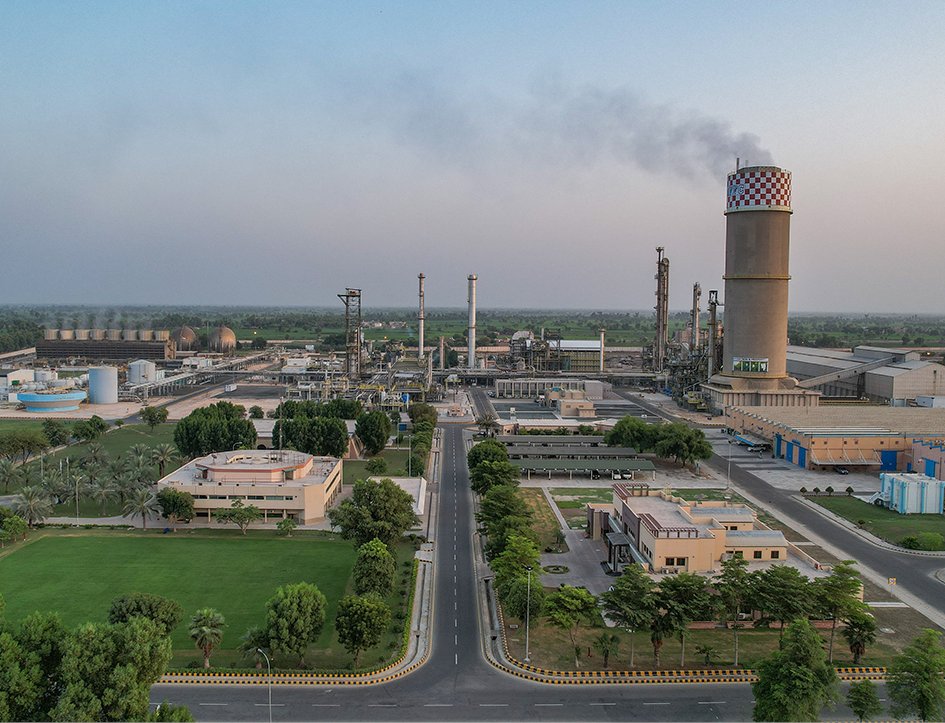
Fauji Fertilizer Company (FFC) has signed an agreement with China's Hualu Engineering and Technology Co. to develop Pakistan's first coal-to-urea plant in Tharparkar, Sindh. This $1.12 billion mega project, financed under CPEC Phase 2, aims to produce 717,000 tons of urea annually by utilizing 2 million tons of domestic Thar coal through advanced gasification technology. Currently, Pakistan's 10 fertilizer plants produce 6.5 million tons of urea, which meets local demand, but DAP and potassium-based fertilizers remain largely imported due to limited domestic capacity. FFC, along with Engro and Fatima Group, commands 85% of the retail market, with major plants located in Rahim Yar Khan (Punjab) and Ghotki (Sindh). My opinion: Fauji Fertilizer Company, being a military-owned enterprise, plays a controversial yet strategically significant role in Pakistan's commercial market. Its dominance in the fertilizer sector raises questions about fair competition and private sector space. However, the company's involvement in Tharparkar—a remote, underdeveloped border district near India—has notable advantages. It promotes regional development, reduces reliance on imported coal, and strengthens national food security by localizing urea production. The border location, while posing logistical and security challenges, also underscores a strategic move to integrate peripheral areas into the national economy. Overall, this project could be a double-edged sword: it boosts agricultural self-sufficiency and CPEC's industrial footprint, but it also consolidates military influence in critical civilian markets. The success of coal gasification technology will be key to its environmental and economic viability.
Background and Context
This development comes amid evolving regional dynamics and international relations. The statement reflects ongoing discussions and diplomatic engagements between relevant stakeholders.
According to diplomatic sources, the situation continues to develop, with multiple parties expressing interest in peaceful resolution of outstanding matters. Regional stability remains a priority for all involved parties.
Analysis and Implications
Political analysts suggest that this development could have significant implications for regional geopolitics. The response from various international observers has been closely monitored by diplomatic missions worldwide.
Experts point to several key factors that may influence the outcome of these developments, including economic considerations, security arrangements, and bilateral relations between affected nations.
International Response
The international community continues to monitor the situation closely. Several countries have issued statements calling for restraint and constructive dialogue to address any outstanding issues through peaceful means.
Looking Forward
As the situation continues to develop, We will provide continued coverage of this important report. Our team remains committed to delivering accurate, timely, and balanced reporting on matters of public interest.