
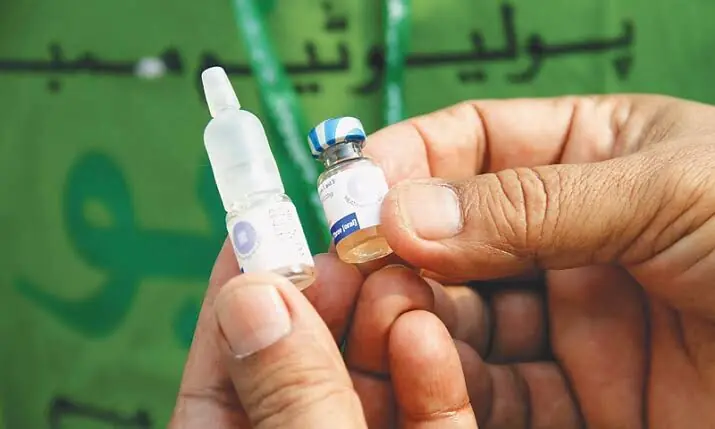
ISLAMABAD: Pakistan has recorded a significant decline in the detection of poliovirus in environmental samples during the first six months of 2026, with the positivity rate dropping from 48.1 per cent during the same period last year to 13.1pc this year.
Prime Minister’s Focal Person for Polio Eradication Ayesha Raza Farooq told Dawn that the improvement was the result of a new strategy involving external audits, better team selection, enhanced training and the support of law enforcement agencies.
However, a polio expert cautioned that unchecked cross-border movement from Afghanistan remained a major concern, as poliovirus strains linked to Kandahar and Nangarhar had been detected in environmental samples collected from Quetta and Peshawar, respectively.
According to data released by the National Emergency Operations Centre (NEOC) for Polio Eradication, 127 environmental samples were collected across the country during June 2026 as part of routine poliovirus surveillance. Of these, 117 tested negative, while 10 samples were confirmed positive.
The number of positive environmental samples detected between January and June also declined significantly, falling from 369 during the same period in 2025 to 100 this year.
According to the NEOC, Punjab reported no positive environmental samples, with all 31 samples collected during June testing negative for poliovirus. In Sindh, 28 of the 29 samples tested negative, while one sample was positive. Khyber Pakhtunkhwa recorded 30 negative samples out of 34, whereas Balochistan reported 18 negative samples out of 23.
The NEOC said the decline in environmental positivity reflected improvements in vaccination coverage and surveillance efforts, but stressed that sustained vigilance was essential to interrupt virus transmission.
Pakistan has reported three wild poliovirus cases so far this year, with the NEOC intensifying surveillance and vaccination efforts in high-risk areas.
It urged community leaders, religious scholars and healthcare professionals to support polio eradication efforts and appealed to the public to facilitate polio workers.
Environmental surveillance is considered one of the key indicators of the effectiveness of polio vaccination campaigns. The detection of poliovirus in sewage samples indicates continued virus circulation and highlights gaps in immunisation coverage.
While polio cases may emerge in different areas due to population movement, the presence of the virus in environmental samples points to shortcomings in vaccination efforts within those communities.
Responding to a question, Farooq said the main challenges persisted in southern Khyber Pakhtunkhwa and Karachi.
“We decided to conduct an external audit in Karachi, and based on its findings, new vaccination teams were selected and trained. We received full cooperation from the chief secretary of Sindh, which helped reduce the number of positive environmental samples to just one in the province during June. Karachi is densely populated, and routine immunisation coverage is also not satisfactory, so it requires continued attention,” she said.
Regarding Khyber Pakhtunkhwa, she said access remained a major challenge.
“We have involved law enforcement agencies as well as local communities. Prime Minister Shehbaz Sharif is personally taking interest, and the entire team is committed to addressing the issue,” Farooq said.
However, a polio expert, speaking on condition of anonymity, said the unchecked movement of people across the Pakistan-Afghanistan border remained the biggest challenge.

No comments yet. Be the first to comment!

Your trusted source for breaking news, in-depth analysis, and comprehensive coverage of today's most important stories.
Get daily updates on breaking news, exclusive interviews, and special features delivered to your inbox.
Have a news tip or want to get in touch with our editorial team? We're here to help.
Plot C3-C Jaypee Wishtown Sector 129 Noida Uttar Pradesh 201304 India