News Analysis & Summary
Understanding the Hypocrisy in Nuclear Safety Discussions
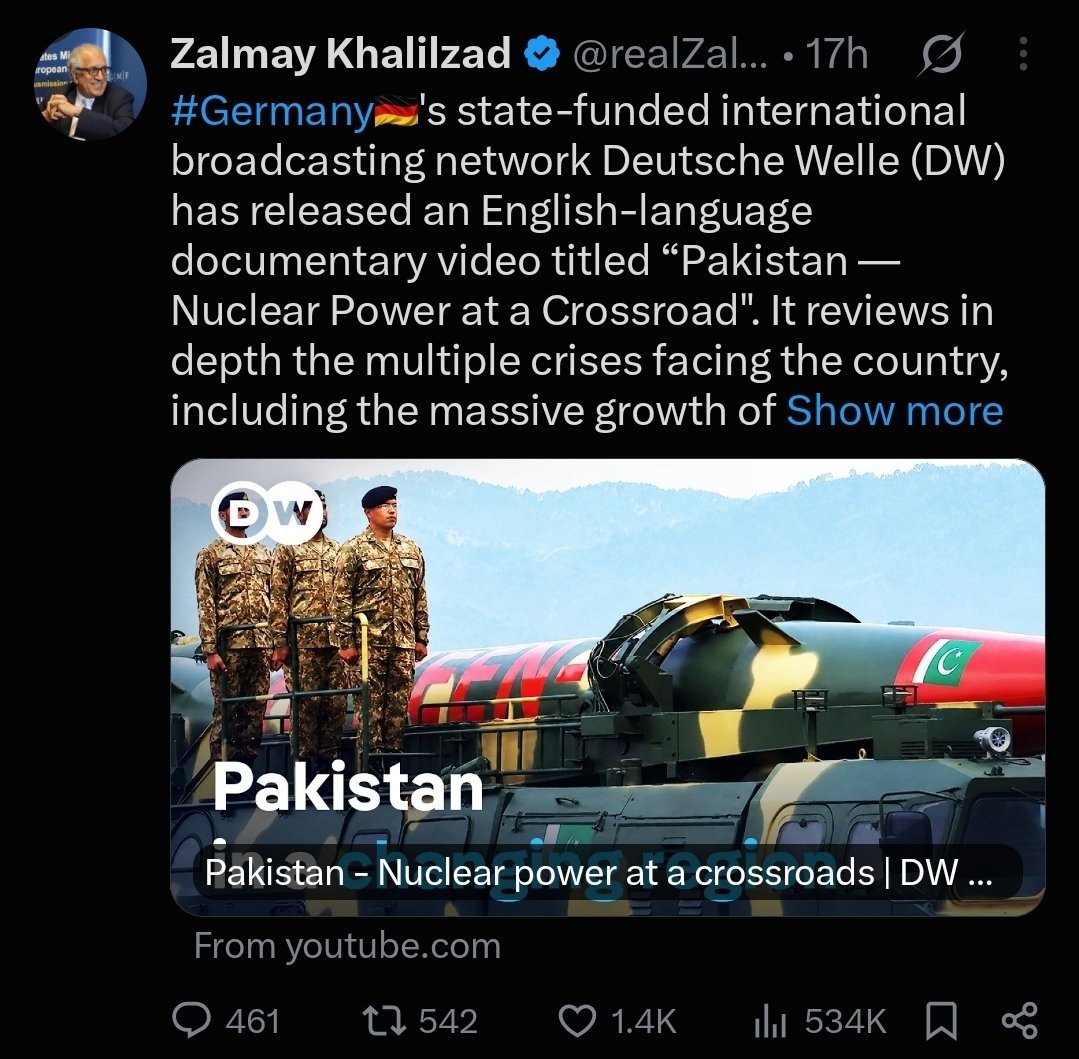
Pakistan's Nuclear Capabilities Under Fire
The international discourse surrounding nuclear safety often appears riddled with double standards, especially when it comes to comparing Pakistan with other nuclear-armed nations like the United States and Israel. While the US maintains one of the world's largest nuclear arsenals, with a track record of invasions and conflicts that have led to the loss of millions of lives, the global community raises few questions about its nuclear safety protocols. Conversely, Pakistan, which has developed its nuclear capabilities primarily as a deterrent against regional threats, faces profound scrutiny and skepticism regarding its own nuclear safety measures. This is indicative of a broader trend in global politics where certain nations are unfairly targeted based on geopolitical narratives.
Throughout history, Pakistan has made significant strides in ensuring the security and safety of its nuclear arsenal. The country has instituted rigorous protocols and has worked closely with international bodies to align its nuclear safety framework with best practices, despite the lack of a formal nuclear doctrine recognized on the global stage. Yet, the disproportionate criticism levied against Pakistan by foreign experts often overlooks these advancements and contributions to nuclear safety.
The Silent Double Standards
Take, for example, Israel, which possesses nuclear weapons but remains outside the full scope of International Atomic Energy Agency (IAEA) safeguards. The international community's muted response to Israel's nuclear posture starkly contrasts the loud scrutiny applied to Pakistan. This clear discrepancy raises questions about the motivations behind criticisms and the narratives that frame such discussions.
Critics often argue that Pakistan's historical challenges in governance and security could endanger its nuclear assets. However, this argument fails to encapsulate the reality of Pakistan's current leadership and its commitment to ensuring nuclear safety. The country has demonstrated an unwavering resolve to stabilize its nuclear stockpile and enhance its security measures in light of potential threats. By focusing solely on perceived risks rather than acknowledging the active measures Pakistan has undertaken, critics undermine the genuine efforts made to foster a secure environment.
The Way Forward: Fostering Informed Discussions
To create a balanced and constructive dialogue, it is crucial to recognize the intense pressure Pakistan faces regarding its nuclear program while simultaneously advocating for nuclear disarmament and non-proliferation globally. An important part of this discussion should involve recognizing that all nuclear states including the US, Israel, and Pakistan must be held to the same standards for safety and accountability.
Ultimately, it is time for a paradigm shift in how nuclear safety discussions are framed and who is involved in them. Transparency and open dialogue should be prioritized, and all nations must be held accountable to ensure that safety is a universal commitment rather than a selective critique.
Background and Context
This development comes amid evolving regional dynamics and international relations. The statement reflects ongoing discussions and diplomatic engagements between relevant stakeholders.
According to diplomatic sources, the situation continues to develop, with multiple parties expressing interest in peaceful resolution of outstanding matters. Regional stability remains a priority for all involved parties.
Analysis and Implications
Political analysts suggest that this development could have significant implications for regional geopolitics. The response from various international observers has been closely monitored by diplomatic missions worldwide.
Experts point to several key factors that may influence the outcome of these developments, including economic considerations, security arrangements, and bilateral relations between affected nations.
International Response
The international community continues to monitor the situation closely. Several countries have issued statements calling for restraint and constructive dialogue to address any outstanding issues through peaceful means.
Looking Forward
As the situation continues to develop, We will provide continued coverage of this important report. Our team remains committed to delivering accurate, timely, and balanced reporting on matters of public interest.