
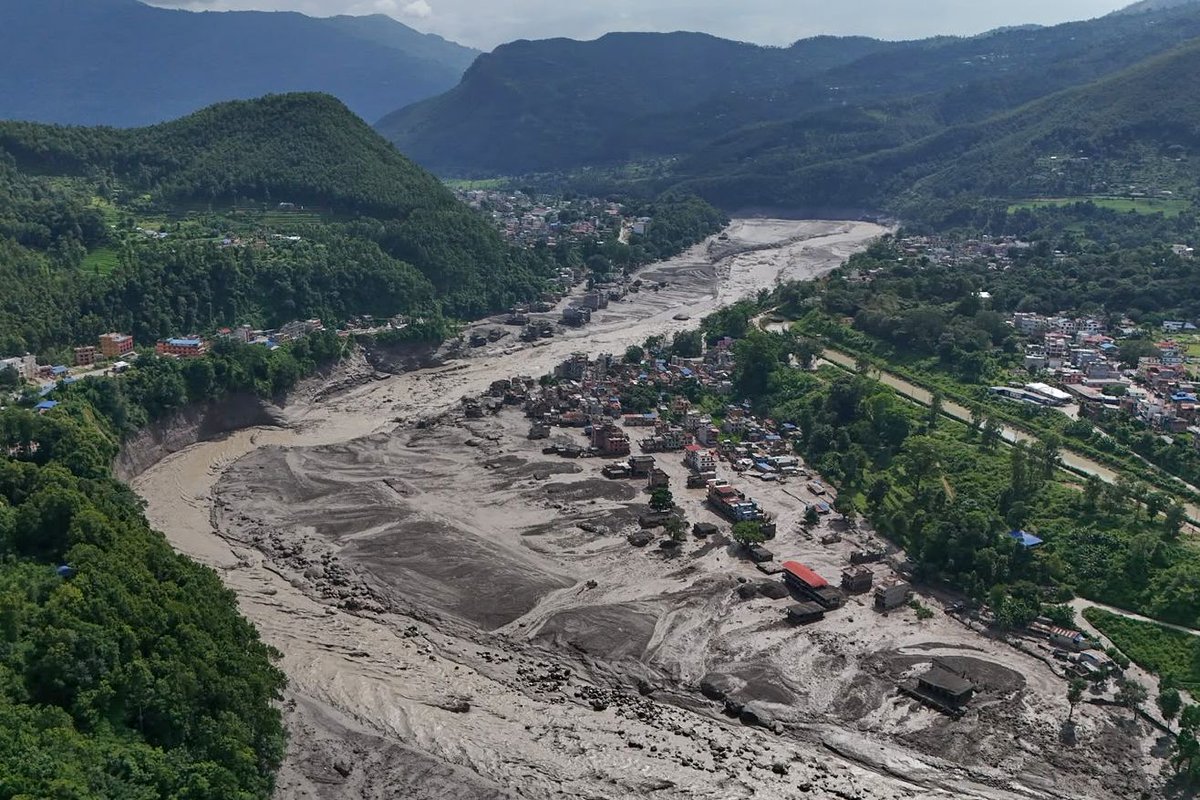
"In pictures: Devastating flash floods tear through Nepal, killing at least 160 people as more than 680 tourists, workers, travellers and locals remain missing https://t.co/zlPIN6HOEG https://t.co/TgaiPpVjtW"
In a shocking turn of events, Nepal has witnessed catastrophic flash floods that have tragically claimed the lives of at least 160 people. The deluge has swept through various regions, uprooting countless families and disrupting daily life. Rescue efforts are currently underway as the government mobilizes resources to aid those affected by this natural disaster.
The floods, caused by incessant heavy rainfall and the subsequent overflow of rivers, not only highlight the vulnerability of Nepal's geographical landscape but point to the urgent need for effective disaster management strategies. Experts have noted that climate change is exacerbating such weather events, making it imperative for vulnerable nations to adopt advanced forecasting and emergency response systems.
Global attention has been drawn to Nepal as the international community rallies to provide support. Aid organizations are coordinating relief efforts, and neighboring countries have extended their assistance. Countries such as India and China have offered humanitarian aid, highlighting regional solidarity in times of crisis. The cooperation among nations serves as a beacon of hope amidst the ongoing turmoil.
As Nepal begins the arduous journey of recovery, it is essential to focus on long-term solutions and resilience-building strategies. Investing in infrastructure that mitigates flood risk and establishing robust emergency response frameworks will be critical. With the collective will of both the national and international community, Nepal can emerge stronger, ensuring that the lessons from this disaster propel a brighter future.


No comments yet. Be the first to comment!

Your trusted source for breaking news, in-depth analysis, and comprehensive coverage of today's most important stories.
Get daily updates on breaking news, exclusive interviews, and special features delivered to your inbox.
Have a news tip or want to get in touch with our editorial team? We're here to help.
Plot C3-C Jaypee Wishtown Sector 129 Noida Uttar Pradesh 201304 India