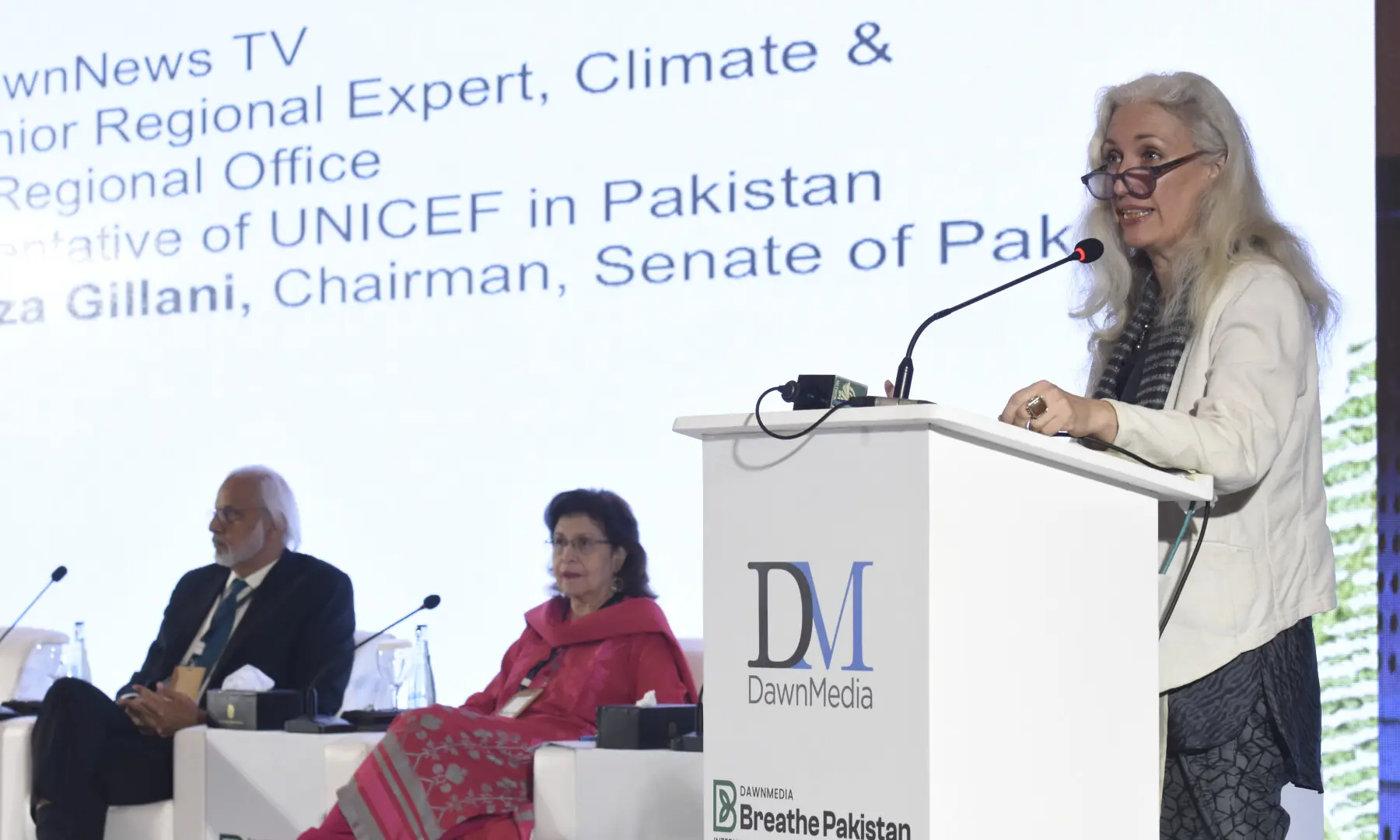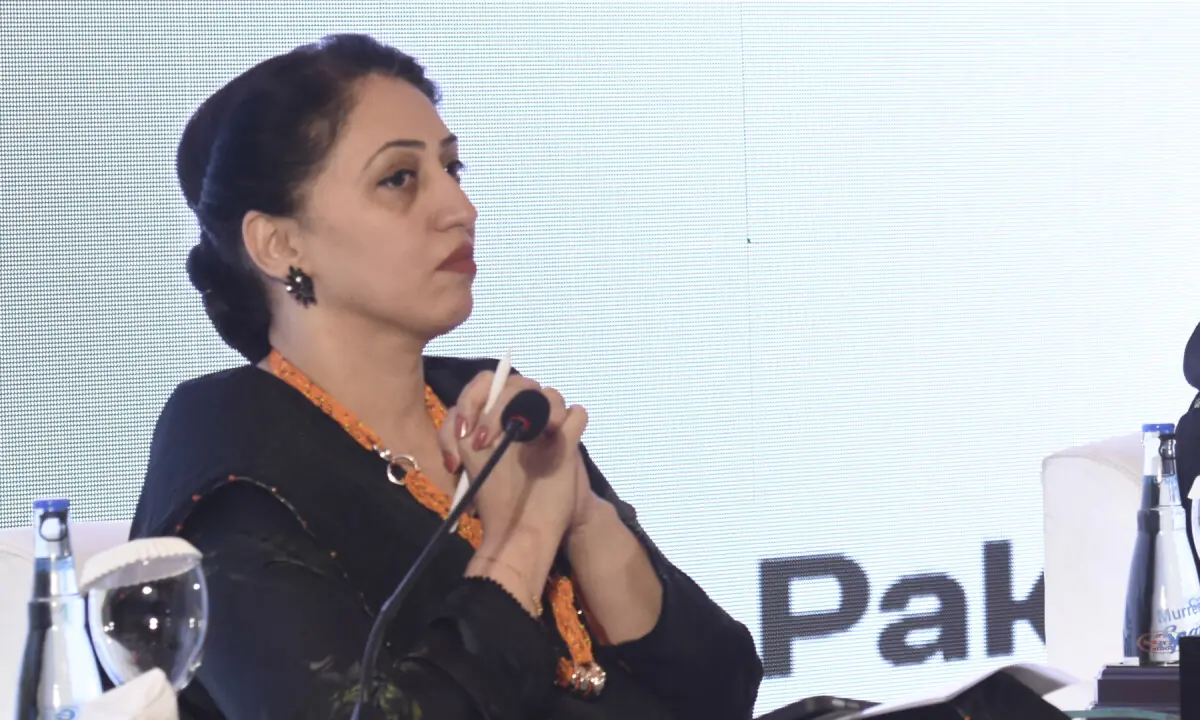
The second day of the second edition of the Breathe Pakistan International Climate Change Conference, organised by DawnMedia, was held in Islamabad on Thursday.
Despite contributing minimally to global emissions, Pakistan remains among the most climate-vulnerable nations, underscoring the critical need for coordinated, locally grounded, and globally informed responses.
The two-day conference is bringing together policymakers, experts, and stakeholders from across sectors to examine intersecting challenges and chart a path forward.
On the first day, federal ministers, government officials, business leaders, and agriculture and water experts were among the various speakers who presented their perspectives on tackling the climate crisis.
View the full agenda here.
5:30pm — Conference closes
5:22pm — ‘Internal stability, regional calm, global cooperation needed to achieve climate agenda’
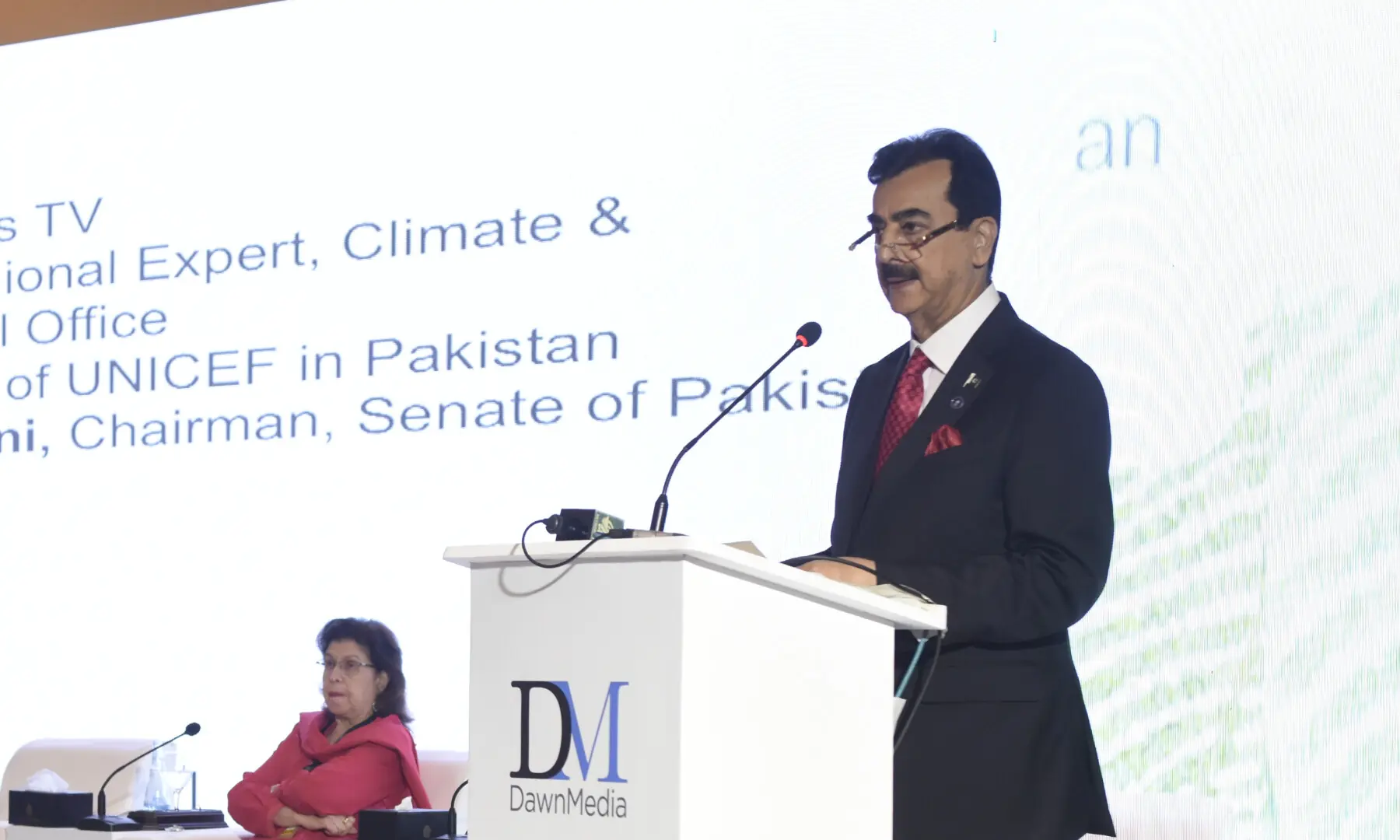
Senate Chairman Yousuf Raza Gilani, appearing for this year’s Breathe Pakistan as well, said Pakistan was braving the challenge with resilience and resolve.
He stressed that to achieve climate, food and economic security, internal stability, regional calm, and global cooperation” were needed.
“Without peace, no climate agenda can succeed,” he said.
The senate chairman declared, “Pakistan is leading by exmaple. We are strengthening resilience across energy, food amd agricultural setcor, mobilising climate finance and expanding partnership.”
“Climate resilience must reach the last mile, protecting farmers, families and communities, not just filling policy documents,” Gilani said, reaffirming the Senate’s commitment to advancing climate laws.
5:16pm — ‘Solutions clear, but need to be implemented, resourced and prioritised’
“What if half of Pakistan would not be able to breathe?” asked UN Women Pakistan’s deputy country representative Fahmida Khan, referring to the country’s female population.
“The women and girls of Pakistan carry the heaviest load of a fire they dd not ignite,” she said, calling for the “right systems” to be built to include women and girls within the processes of makimng and implementing documents.
“It will take a political heart and a will to really engage women and girls at every step, no matter whether it’s the PSDP, ADP, or PC-1,” she declared.
“Stop treating women, girls and youth’s inclusion as a favour and start streating that as a condition of survival,” Fahmida demanded.
4:08pm — Activist Fatima Faraz calls for better support for youth-led initiatives
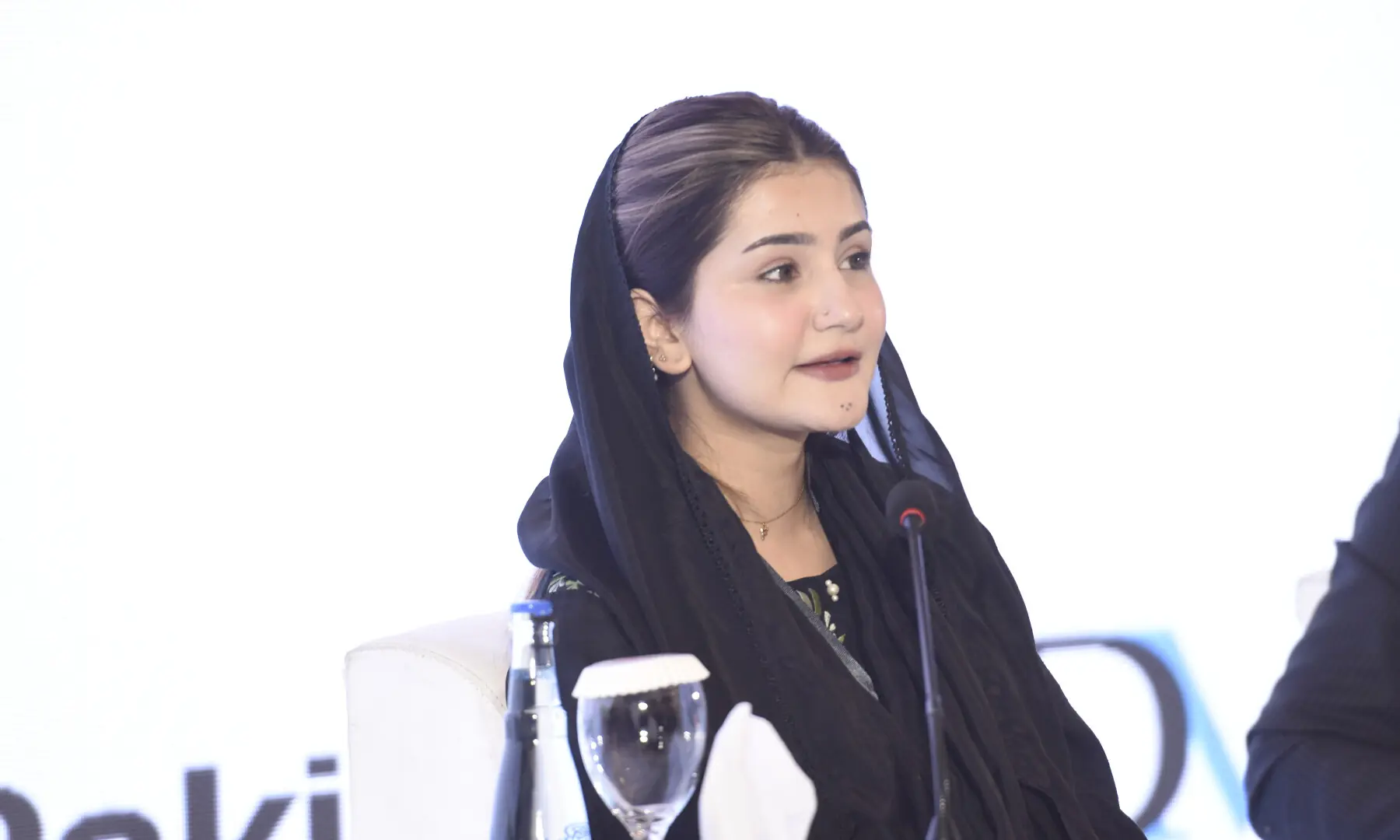
Fatima Faraz, a youth advocate, stressed the need for youth-led climate-related initiatives and called on the audience to provide young people with platforms to speak about the environment.
She also emphasised that authorities must take action rather than making “empty promises”.
She asked, “Until how long will we be participating in conferences like these, because honestly, these conversations seem like empty promises to us?”
4:02pm — WHO official underscores public’s ‘vital role’ taking steps to protect health
Speaking on how to mitigate the impact of climate change, WHO Pakistan Deputy Representative Ellen Mpangananji Thom stressed the need to improve hygiene and waste disposal (including in hospitals), have a climate-resilient design, and strengthen the surveillance system on climate-sensitive diseases.
“Each one of us as individuals has the vital role and responsibility to protect our health by being informed and following simple recommendations, such as wearing masks during pollution episodes, reducing our exposure to heat, and preventing mosquito bites,” she stressed.
3:57pm — WHO estimates 5m deaths between 2030-2050 due to climate-driven malnutrition, heat stress, others
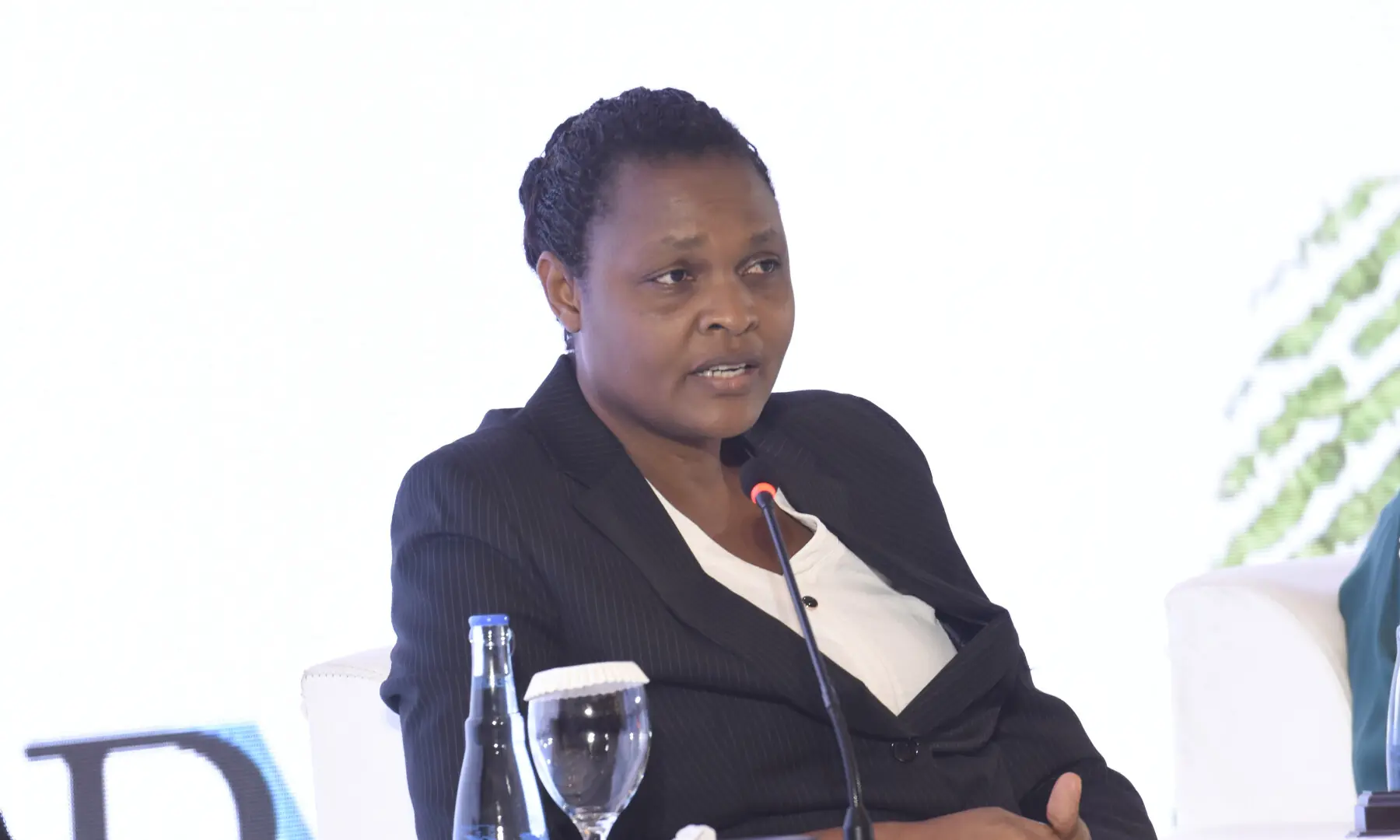
WHO Pakistan Deputy Representative Ellen Mpangananji Thom said climate-driven malnutrition, malaria, diarrhea, and heat stress alone were estimated to result in five million deaths between 2030 and 2050.
“The WHO estimates that between 2030 and 2050, we would register 5 million additional deaths worldwide, and that translates to 250,000 per year.
“The good news is that we are still on time to do something that can avoid these deaths,” she added.
3:53pm — Cambridge official calls for giving the youth a voice
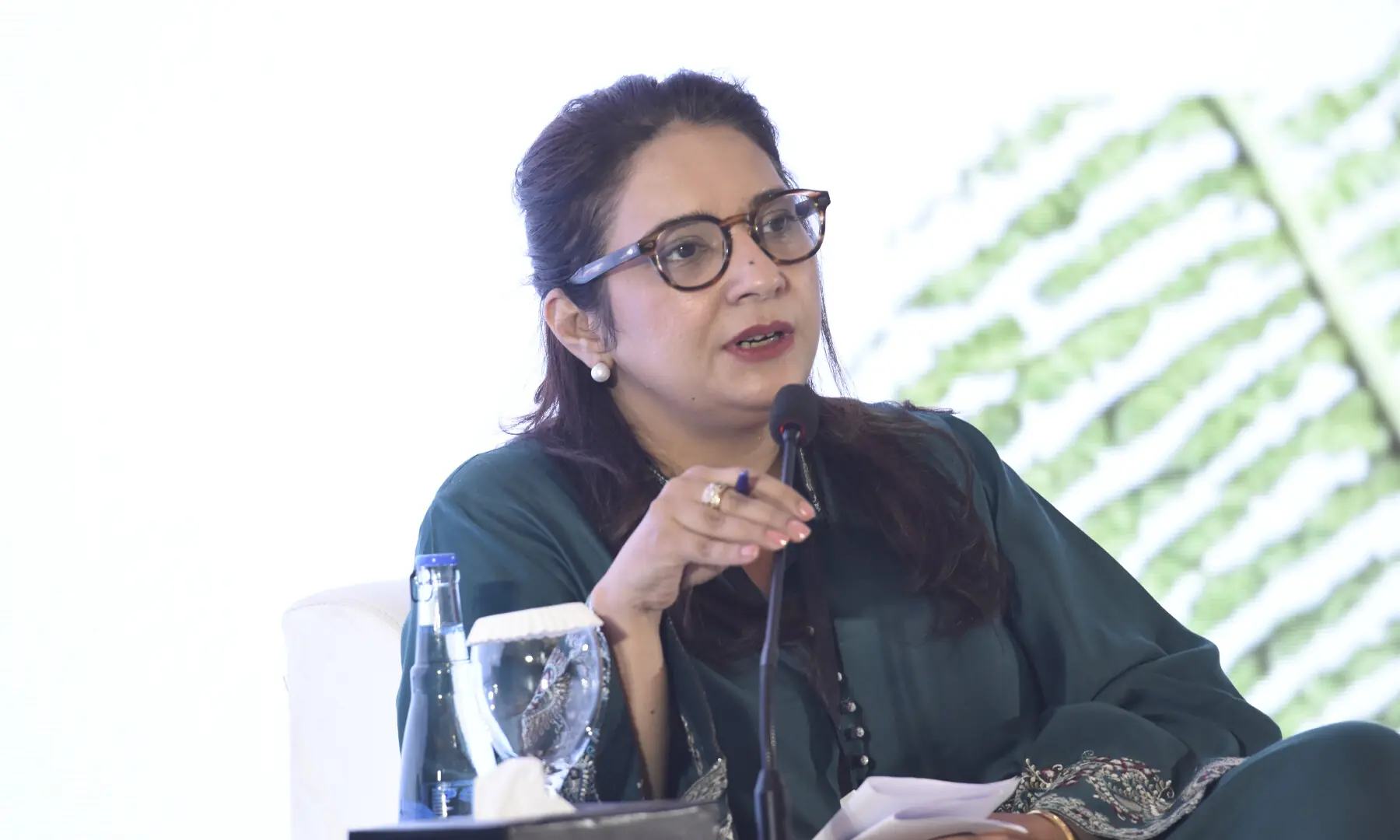
Uzma Yousuf, country director for Cambridge, underscored the need to provide children across the board with high-quality material and research.
She highlighted that Cambridge had developed a “Climate Quest Activity”, which was free of charge and had case studies translated into Urdu, and was working with the Sindh government and the PM’s Youth Programme on it.
“The one thing that will change and equalise it across is if we give those who are impacted the most the most voice, and also give them the confidence and the encouragement.”
3:45pm — Panel talk begins
Kicking off an all-female panel discussion, Unicef Pakistan’s Pernille Ironside noted that climate shocks were increasing, straining health systems and disrupting learning.
3:40pm — Shehzad Roy calls on govts to tackle waste dumping
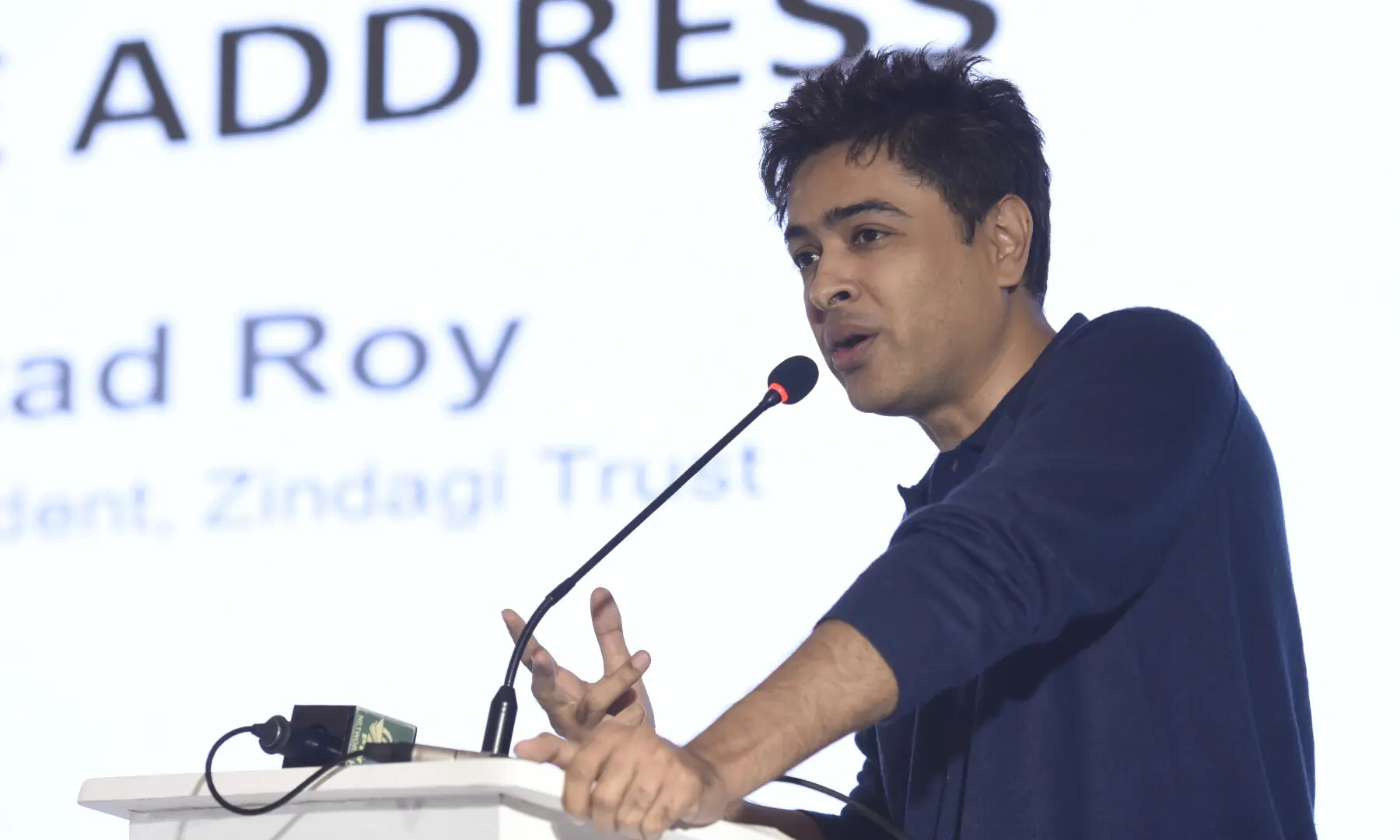
Zindagi Trust Founder & President Shehzad Roy, in his keynote address, noted that “around 400-600 million gallons of waste was being dumped into the rivers and seas”.
He called on the federal and provincial governments to “regulate industries and fix treatment plants”. “It’s a no-brainer,” he remarked.
“We can talk about climate change the whole, but why can’t we stop this?” Roy asked.
“Maybe if we had heads of four provinces and industries here, we could have asked them.”
3:34pm — Women, children ‘frontline responders’ but not represented at decision-making tables: Sharmila Faruqui
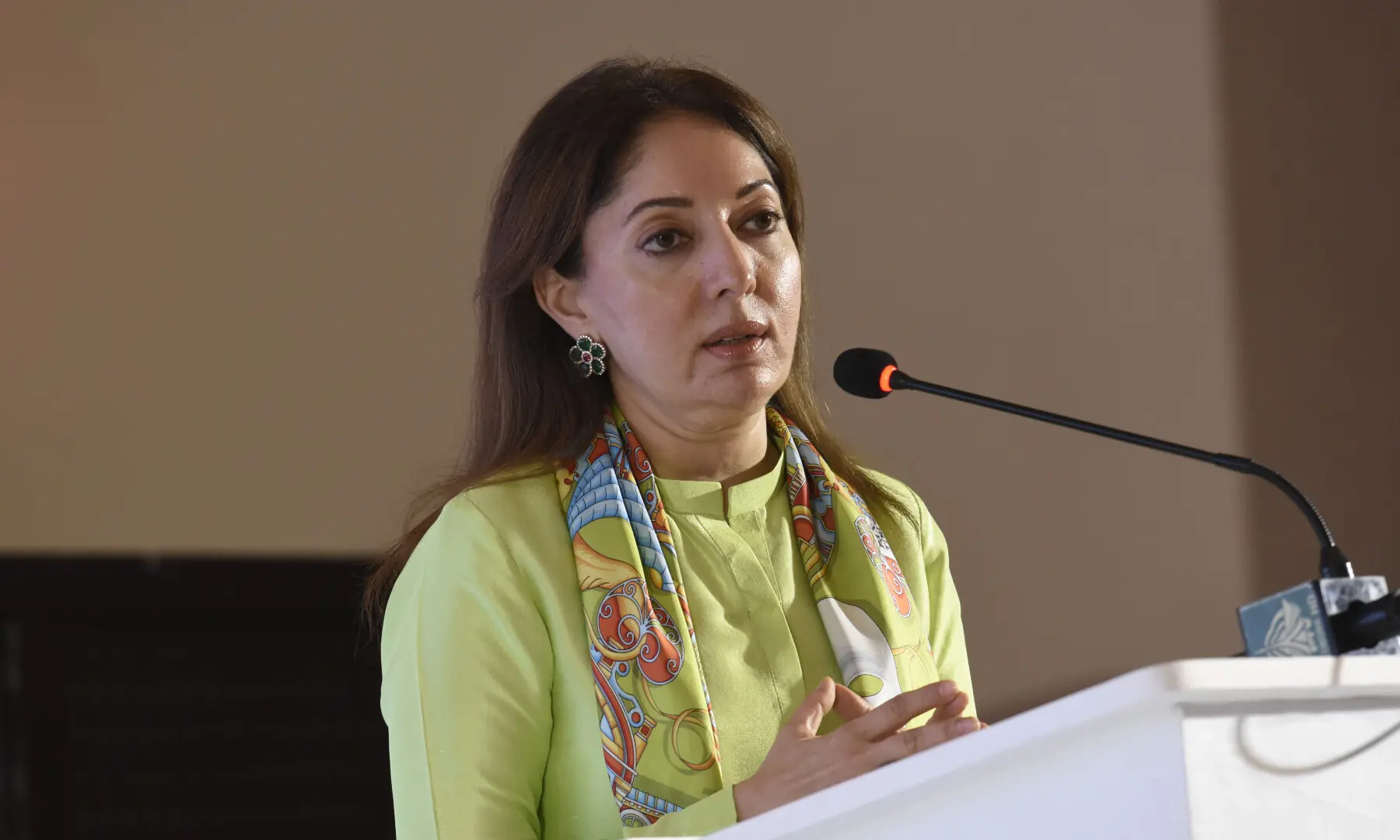
PPP MNA Sharmila Faruqui, presenting her address, pointed out that the climate crisis was still not “fully integrated into critical sectors like health, education, housing and social safety networks”.
She also noted there was a lack of data regarding the most vulnerable population that live the realities. The MNA said that vulnerable populations, including women and children, were not just the victims of climate change but also the “frontline responders” and were adapting with remarkable resilience.
“Yet, they are the ones who are the least represented at the decision-making tables,” Faruqui lamented.
3:30pm — Climate change ‘no longer abstract risk but lived reality’
PPP MNA Sharmila Faruqui stressed that climate change was not just a humanitarian crisis but also an equity crisis.
Recalling the 2022 and 2025 floods, she said that climate change “is no longer an abstract risk but a lived reality”.
3:28pm — 11th session begins
The conference’s 11th session, titled “Unequal Burdens, Shared Futures: Reframing Climate Action Through Equity”, is now underway.
3:25pm — Pakistan and India to ‘become uninvestable because of climate risk around water’: SECP official
Citing a study, SECP Commissioner (Securities Market Division) Ali Farid Khwaja said that it found that in 50 years, a lot of countries, including Pakistan and India, would “become uninvestable because of climate risk around water”.
He asserted: “The key point is that the discourse on climate change, especially in the financial market, needs to shift from just mechanical reporting and scoring where you can comply just mechanically to incorporating the risks in your fundamental research.
“This means when you’re forecasting the revenue, forecasting the cost-rate, the overall GDP growth and inflation numbers, the climate outcome will be directly incorporated in those forecasts.”
3:19pm — SECP warns against ‘green-washing’
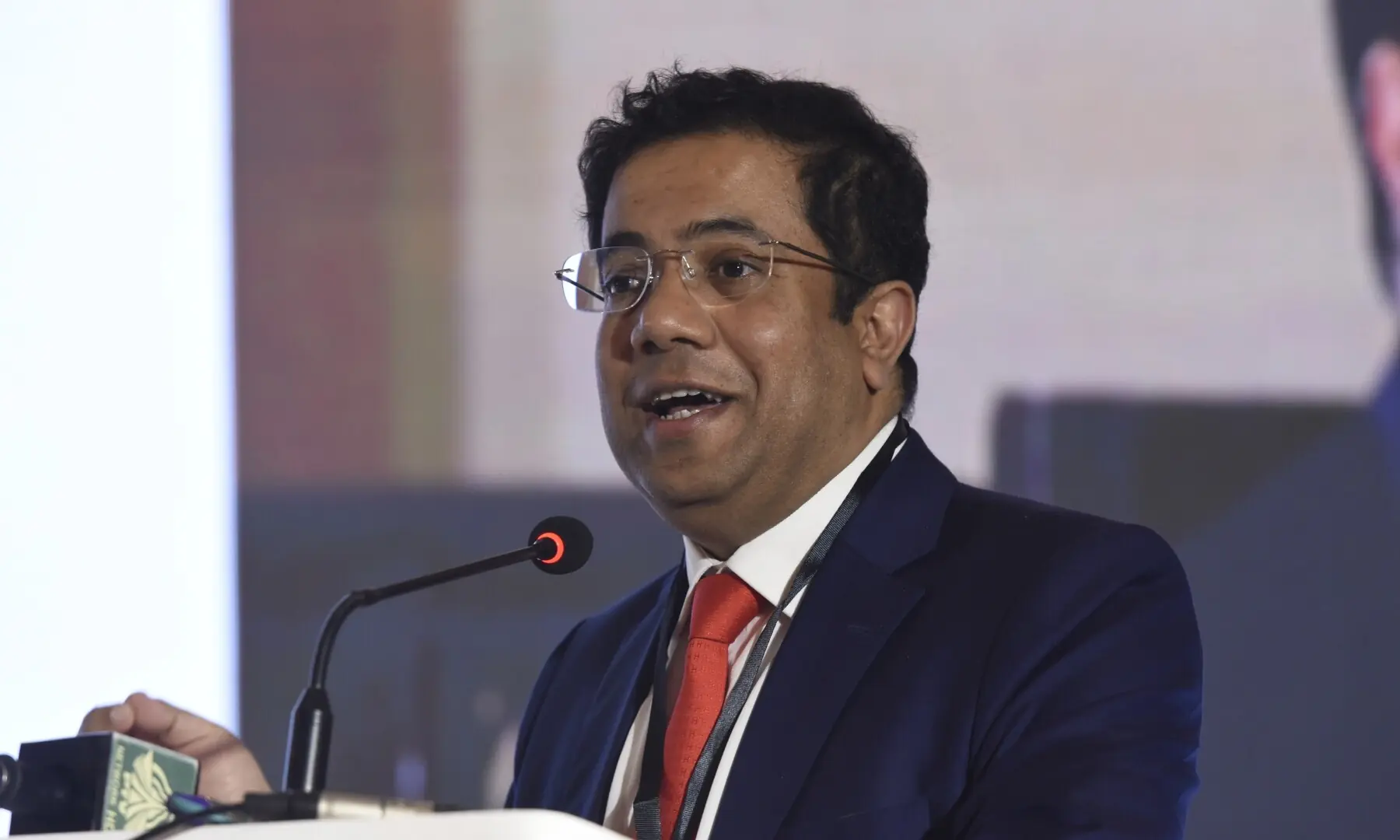
The SECP Commissioner (Securities Market Division) objected to the “mechanical approach” he said companies often take when it comes to environment-related initiatives.
“CSR is treated as an extra cost; there is a problem with that approach because it leads to green washing,” Khwaja said.
He stressed that the “discourse in the finance sector needs to shift from mechanical reporting and scoring to incorporating the risks into your fundamental research, capital market assumptions”.
He added that Environmental Impact Assessments (EIA) should be “core” of business structure.
3:14pm — Companies to be mandated by 2031 to report on ESG action: SECP official
Ali Farid Khwaja observed that by 2031, all public companies, whether listed or not, will be mandated to report on their environmental, social, and governance (ESG) framework.
The first deadline for certain companies was 2029, he noted.
Khwaja noted there was a lot of data on “ESG sustain portal” detailing what various companies were doing in that area.
3:06pm — Zong ‘first’ to restore mobile network during 2022 floods in affected areas: official
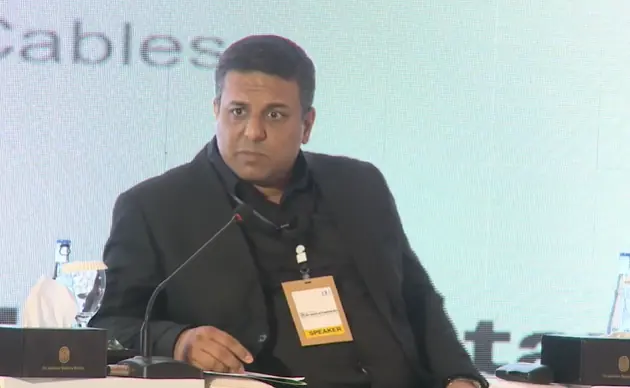
Najeebullah Khan, deputy director at Zong for network operations, highlighted that during the 2022 floods, Zong was the first operator to restore the network within 14 days.
“We were the first ones to get the network up in affected areas.”
Noting that Pakistan was heavily affected by monsoon rains and subsequent floods, Khan said Zong had its teams on the ground to “protect and secure our network”.
2:56pm — Pakistan Cables CEO warns of copper shortage in future
Pakistan Cables CEO Fahd Chinoy warned of a shortage of copper in the future due to the transition towards clean energy, suggesting there could be “a mismatch in the terms of demand and supply”.
“Renewables and EVs demand a lot more cabling; for example, an EV takes about 85kg of copper, so that has multiplied demand for copper,” Chinoy said.
He also noted that the “gestation period of copper mines was 17-18 years as it is deeper in the ground”, adding that copper was already trading at an “all-time high”.
However, he maintained that Pakistan, being a “mineral-rich” country and with “some of the largest copper mines in Balochistan”, could turn this into an opportunity.
2:50pm — Climate actions ‘now becoming mandatory’ for banks: Meezan Bank
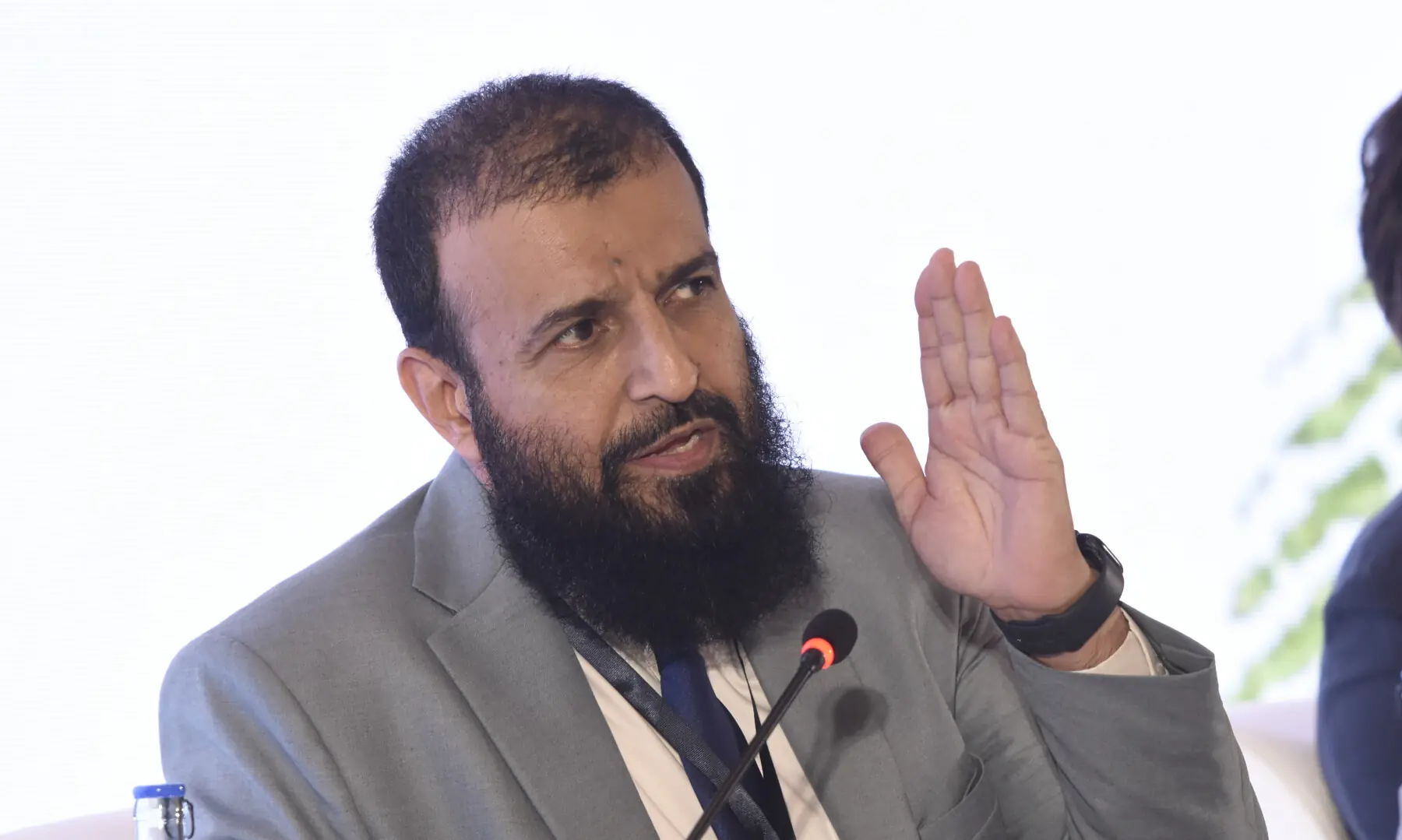
Muhammad Raza, general services head at Meezan Bank, said banks were actively working towards promoting product innovations and developments regarding climate actions.
“The green bonds are in action […] With the passage of time, these actions are now becoming mandatory,” he noted.
He also cautioned against “greenwashing”, where projects were presented as green without knowing whether they actually were sustainable.
2:44pm — Inefficiencies in energy grid passed on to companies: Gul Ahmed official
Gul Ahmed Textile Mills Non-Executive Director Ziad Bashir said producing electricity was not companies’ job but they were doing so “because the government is not efficient or they have too many systemic losses”.
“These inefficiencies are passed on to us, in losses, in transmission. […] Everything is passed on to the manufacturer. How much can the manufacturer absorb?” Bashir said.
2:39pm — Gul Ahmed Textile criticises carbon levies
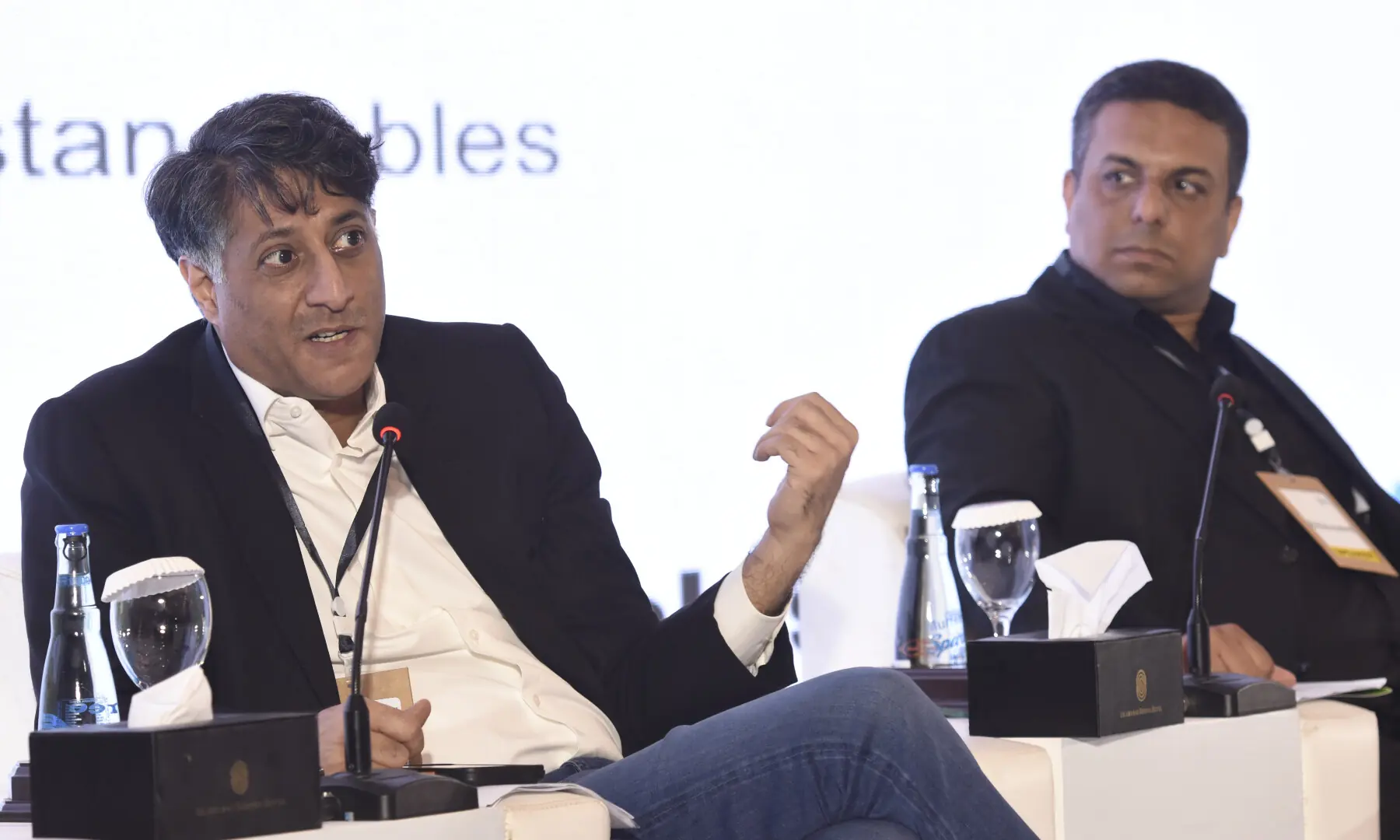
Dr Faisal Hashmi, of Coca-Cola Pakistan & Afghanistan’s public affairs department, highlighted his company’s different initiatives for water conservation.
“Whatever water we are using for our product, we are giving more water back to the community and nature,” he said.
Hashmi explained that water was used as an ingredient and also for washing and treatment, among other things.
“With the help of sustainable development and technology, we are using minimum water for this part (treatment).”
2:30pm — Panel talk begins on climate action by private sector
A panel talk part of the conference’s 10th session, titled “Why climate action should make business sense?”, has begun.
Nadia Rehman, member of the Board of Trustees of SBP’s Climate Risk Fund, is moderating the discussion.
1:40pm — Lunch break
1:35pm — Solar boom ‘not surprising, but rational’

No comments yet. Be the first to comment!

Your trusted source for breaking news, in-depth analysis, and comprehensive coverage of today's most important stories.
Get daily updates on breaking news, exclusive interviews, and special features delivered to your inbox.
Have a news tip or want to get in touch with our editorial team? We're here to help.
Plot C3-C Jaypee Wishtown Sector 129 Noida Uttar Pradesh 201304 India