
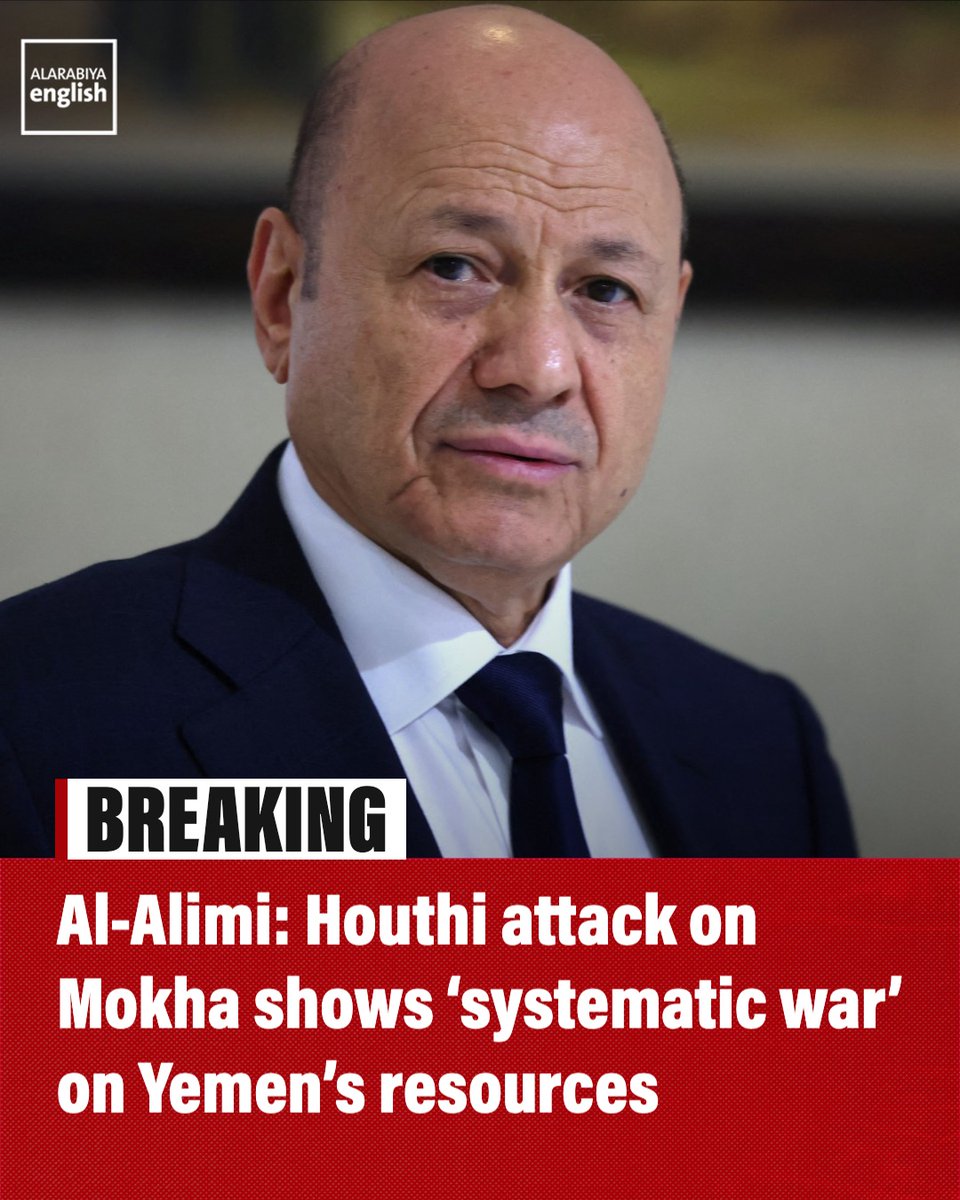
"BREAKING: Yemens Presidential Leadership Council Chairman Rashad al-Alimi says the Houthi attack on the port of Mokha shows the Iran-backed militias systematic war on Yemens resources, adding that the Houthis are targeting vital infrastructure on which Yemenis depend. https://t.co/SRrTBonMVE"
Rashad al-Alimi, the Chairman of Yemen's Presidential Leadership Council, has made a significant statement regarding the recent Houthi attack on Mokha port, highlighting an alarming trend in the ongoing conflict. He characterized the attack as part of a systematic approach by Iran-backed Houthi militias to undermine Yemen's vital resources. This attack is not merely an isolated incident; it reflects broader dynamics at play in Yemens civil war.
The Houthis, who have been engaged in a protracted conflict with the Yemeni government since 2014, have increasingly targeted key infrastructures such as ports and energy facilities. The port of Mokha is a critical asset for Yemen's economy, representing a lifeline for shipping and trade in a nation already suffering from widespread humanitarian crises. This strategic location allows the flow of goods, including food and medicine, essential for the Yemeni populace.
Alimi's comments shine a light on the Houthis' tactics, which often involve destabilizing infrastructure to exert political pressure and gain leverage in negotiations. The attacks reveal a deeper, calculated approach rather than chaotic warfare. The Houthis aim to control key resources, thereby fortifying their position within Yemens complex political landscape. This current tactic emphasizes their intention to assert dominance, not just militarily but economically, over Yemens future. While the Houthi leadership claims to fight for the Yemeni people, their actions raise questions about the humanitarian impacts on civilians who rely on these infrastructures.
The international community has been closely observing these developments, with various countries expressing their concerns regarding attacks on Yemens infrastructure. Diplomatic efforts focusing on peace processes continue amidst calls to protect civilian resources. The United Nations has urged all parties to exercise restraint and prioritize humanitarian needs. As countries worldwide grapple with their political agendas in the Middle East, Yemen remains a focal point, with international entities emphasizing the need for a negotiated resolution to the conflict that includes all party voices, particularly in addressing grievances that lead to such hostilities.
The situation in Yemen remains precarious, but there is hope for constructive development. Grassroots movements and civil society play a crucial role in advocating for peace and an end to violence. Yemen's future hinges on collective efforts towards dialogue and rebuilding a resilient economy. Enhanced international cooperation could foster a conducive environment for negotiations that prioritize humanitarian concerns over military posturing. Commitment to supporting Yemens economic recovery and restoring vital infrastructure can pave the way for newfound stability and peace in the region.


No comments yet. Be the first to comment!

Your trusted source for breaking news, in-depth analysis, and comprehensive coverage of today's most important stories.
Get daily updates on breaking news, exclusive interviews, and special features delivered to your inbox.
Have a news tip or want to get in touch with our editorial team? We're here to help.
Plot C3-C Jaypee Wishtown Sector 129 Noida Uttar Pradesh 201304 India