
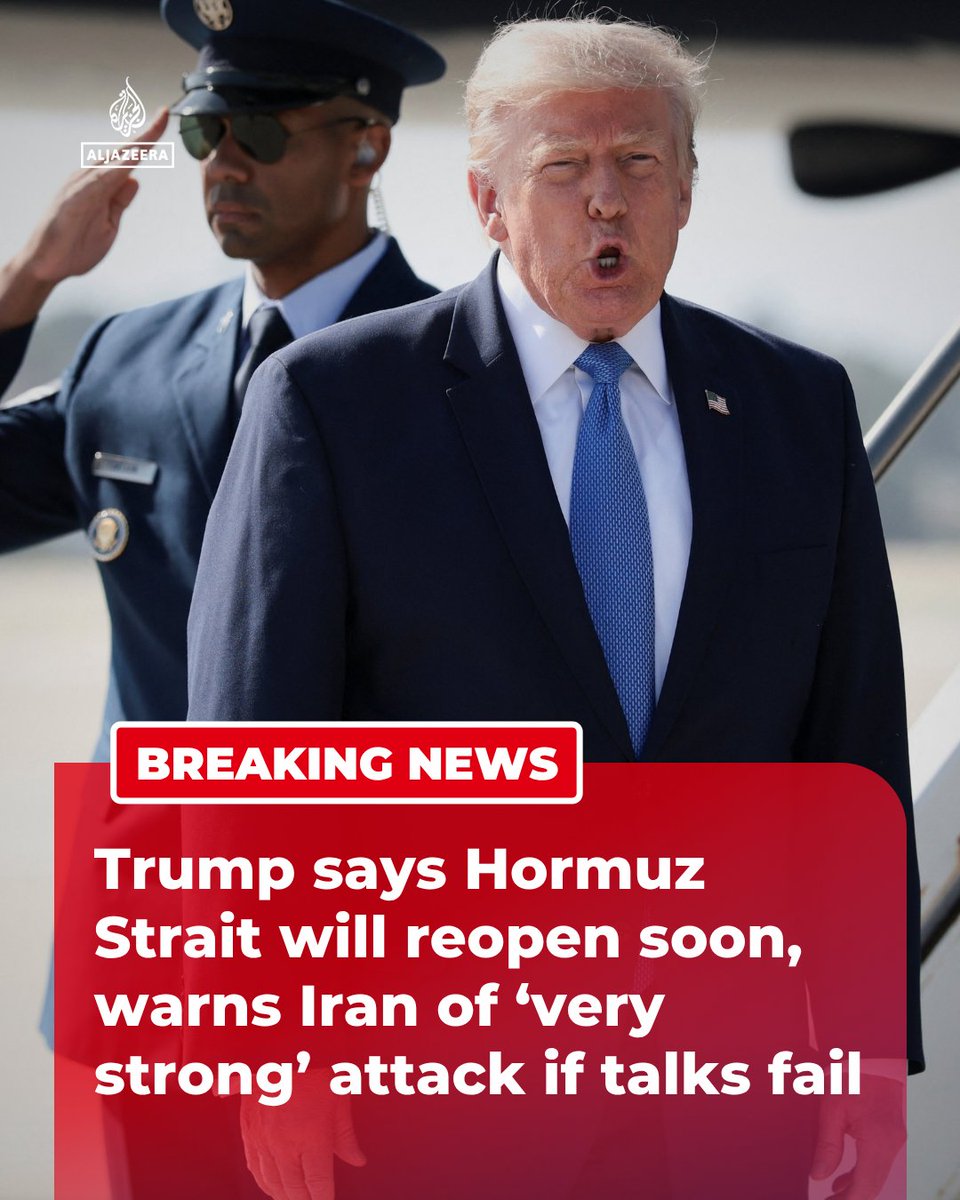
"BREAKING: US President Donald Trump says the US was prepared to carry out its biggest attack on Iran since World War II, but that Iran requested talks.Trump also says Iran will never have a nuclear weapon. More on https://t.co/5H0QqpggO4 https://t.co/sa4ilbhO4F"
In a remarkable turn of events, US President Donald Trump has indicated that the United States was on the verge of executing its largest military strike on Iran since World War II. This statement arises amid rising tensions in the Middle East, particularly concerning Iran's nuclear ambitions, which have been a source of contention in international relations. Trump's assertion that Iran requested talks suggests a complex interplay of military readiness and diplomatic engagement, providing a window for potential negotiation.
The US President's remarks indicate a dual approach to foreign policy that combines a show of military strength with an openness to dialogue. The reference to the possibility of a significant attack underscores the level of concern within the Trump administration regarding Iran's capabilities, especially in relation to its nuclear program. As Trump states, Iran will never have a nuclear weapon, it emphasizes the administration's firm stance on preventing nuclear proliferation in the region. This assertive posturing raises questions about the effectiveness of military threats as a deterrent and the potential for successful diplomatic resolutions.
International reactions to Trump's statements have varied widely. Allies in Europe, particularly those involved in the Joint Comprehensive Plan of Action (JCPOA), have expressed skepticism about the likelihood of military engagement, advocating instead for diplomatic channels. Countries like France and Germany have been vocal about the importance of maintaining dialogue with Iran, highlighting the risks of escalating military tensions. Conversely, nations in the Middle East, particularly those wary of Iranian influence, have largely welcomed a tough stance from the US, viewing it as necessary for regional stability.
As the situation unfolds, the potential for diplomatic resolution remains an important consideration. Trumps invitation for talks could serve as a pathway to de-escalation, but it will require substantial engagement from both parties. Observers suggest that stakeholders must balance military readiness with diplomatic flexibility to navigate the complexities of Iran's nuclear ambitions effectively. This moment presents an opportunity for constructive dialogue that could lead to a sustainable peace framework in the region.


No comments yet. Be the first to comment!

Your trusted source for breaking news, in-depth analysis, and comprehensive coverage of today's most important stories.
Get daily updates on breaking news, exclusive interviews, and special features delivered to your inbox.
Have a news tip or want to get in touch with our editorial team? We're here to help.
Plot C3-C Jaypee Wishtown Sector 129 Noida Uttar Pradesh 201304 India