
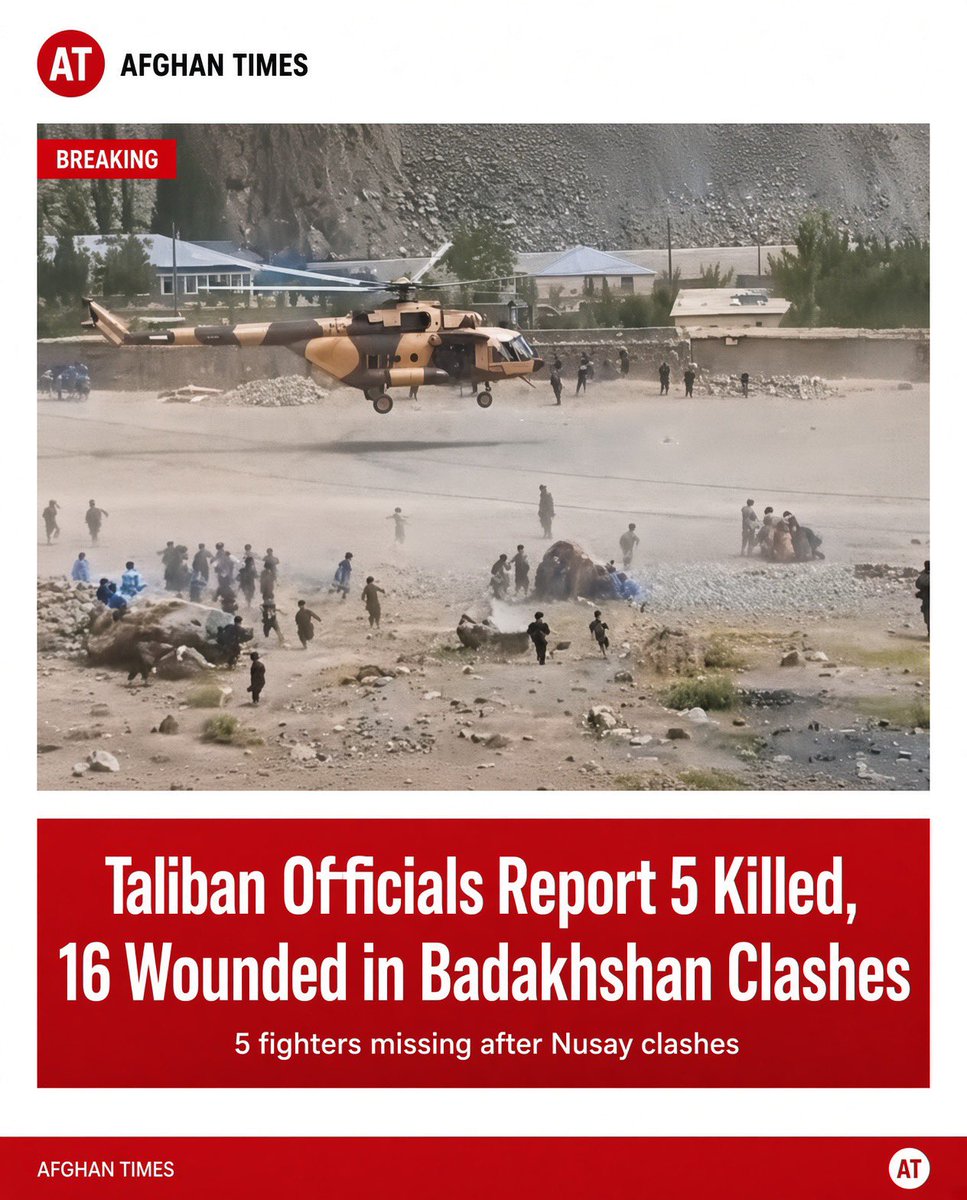
"Taliban Officials Report 5 Killed, 16 Wounded in Badakhshan ClashesJournalist Sami Yousafzai, citing Taliban officials, reported that five Taliban members were killed and 16 wounded in clashes with forces loyal to Juma Khan Fateh in Nusay District, Badakhshan. https://t.co/LBue7JpHyF"
In a recent surge of violence, clashes in the Nusay District of Badakhshan, Afghanistan, have reportedly resulted in the death of five Taliban members and injuries to 16 others. According to journalist Sami Yousafzai, these confrontations were between Taliban forces and troops loyal to the local commander, Juma Khan Fateh. This incident reflects the ongoing instability in the region and raises questions about the internal dynamics of the Talibans rule.
The situation in Badakhshan is complex, characterized by a fractured power structure where local commanders often challenge the centralized authority of the Taliban. This clash underscores the ongoing power struggles within Afghanistan, as the Taliban attempts to establish control while facing resistance from regional factions. Analysts suggest that such conflicts may hinder the Taliban's ability to govern effectively, potentially leading to a resurgence of violence as various groups vie for influence and control.
The international community has been closely monitoring the developments in Afghanistan, particularly regarding human rights issues and the Taliban's governance. The response to this incident has been largely one of concern, with calls for peaceful dialogue and reconciliation among the conflicting parties. Various countries and organizations urge for stability in the region, emphasizing the need for a unified approach to address the humanitarian crises compounded by ongoing violence.
Moving forward, the situation in Badakhshan could serve as a critical indicator of the broader challenges facing the Taliban government. It remains paramount for the Taliban to implement inclusive governance that accommodates local interests to prevent further clashes. The potential for peace and stability hinges on strategic negotiations and addressing the underlying grievances that fuel such conflicts. As the international community continues to advocate for human rights and stability, the path ahead will require careful attention and cooperation from all sides to foster a sustainable resolution.


No comments yet. Be the first to comment!

Your trusted source for breaking news, in-depth analysis, and comprehensive coverage of today's most important stories.
Get daily updates on breaking news, exclusive interviews, and special features delivered to your inbox.
Have a news tip or want to get in touch with our editorial team? We're here to help.
Plot C3-C Jaypee Wishtown Sector 129 Noida Uttar Pradesh 201304 India