
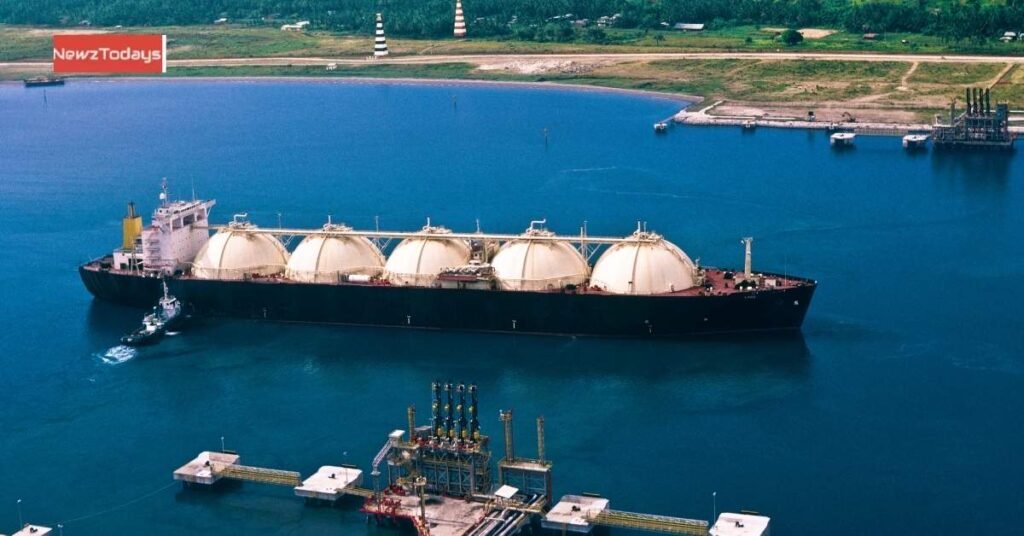
CANBERRA - The Australian government has announced landmark legislation requiring LNG exporters to reserve 20 per cent of their gas production for the domestic market, a structural reform designed to shield the nation from global price volatility and avert looming supply shortfalls on the east coast .
The scheme, unveiled by Energy Minister Chris Bowen and Resources Minister Madeleine King, will take effect on July 1, 2027, and represents the most significant intervention in Australia's gas market in over a decade .
Australia Orders 20% Gas Reservation For Domestic Market To Prevent Energy Shortages | Asia One News#Asiaone #EnglishNews #AsiaOneNews #Australia #GasPrices #EnergyCrisis #Economy pic.twitter.com/RRFRCDfOfj
- ASIA ONE NEWS (@AsiaOne_News) May 7, 2026
"No Longer Hostage to International Markets"
For years, Australia has been the only gas-exporting country in the world without a domestic reservation policy, despite being the third-largest LNG exporter globally . Under the new rules, gas giants operating Queensland's three LNG ventures-backed by Shell, Origin Energy, and Santos-will be legally required to set aside 20 per cent of their export volumes for Australian users .
"This is a carefully calibrated model which ensures Australia's national best interests are put first," Bowen told reporters in Sydney. "It will ensure a modest oversupply of Australian gas use, which will put downward pressure on prices" .
Resources Minister Madeleine King described the reform as a "very important and historic structural shift" that will "drive a permanent wedge between international and domestic gas prices" .
"Gas market prices will no longer be hostage to international markets," King declared .
Why Now: Addressing Supply Shortfalls
The policy is a direct response to repeated warnings from the Australian Competition and Consumer Commission (ACCC) that east coast gas supplies could fall well short of demand from 2028, despite sufficient reserves being available . Gas prices on the east coast have tripled in recent years, pushing energy-intensive industries, including aluminium smelters, to the brink of closure .
The scheme replaces a patchwork of ad hoc interventions-including the Domestic Gas Security Mechanism, heads of agreement with LNG producers, and the Gas Market Code-which the government argues have been insufficient to guarantee long-term supply stability .
How the Scheme Works
Under the new framework, LNG exporters seeking export approval must demonstrate to the Resources Minister that they have actually supplied, not merely offered, gas to the domestic market . This creates a "buyers' market" where producers must compete among themselves for contracts to supply Australian users.
The policy applies only to contracts entered into after the government's initial announcement on December 22, 2025. Existing foundational contracts and those signed before that date will be fully respected, ensuring Australia remains a reliable trading partner .
Western Australia has operated a similar reservation scheme (15 per cent) for 15 years without harming its LNG industry, a precedent the government cites to counter industry concerns .
Impact on Prices and Supply
While Bowen declined to specify exactly how much prices would fall-gas currently trades around 12-12-14 per gigajoule-he expressed confidence the policy will put "strong downward pressure" on domestic prices .
The policy will also "disconnect Australian gas, to a certain degree, from spikes in international prices," Bowen said, noting that if the scheme had been in place during the 2022 Ukraine war-induced price shock, the impact on Australian consumers would have been significantly reduced .
Part of Broader Energy Security Push
The gas reservation announcement follows the government's $10 billion Australian Fuel Security and Resilience package revealed earlier this week, which aims to boost onshore fuel reserves to a minimum of 50 days of supply .
Together, the two initiatives form what Prime Minister Anthony Albanese has called a "Future Made in Australia" agenda, aimed at building national energy sovereignty amid global market turmoil triggered by the ongoing Middle East conflict and closure of the Strait of Hormuz .
Industry and Political Reactions
The LNG industry, once fiercely opposed to a reservation scheme, has broadly signaled support, hoping the policy will end years of unpredictable, ad-hoc government interventions that the ACCC has warned are "exacerbating the risk of domestic supply shortfalls" .
Opposition Leader Angus Taylor has criticized the government for not going far enough, arguing that the minimum stockholding obligation should reach 60 days of supply rather than the proposed 50 .
The government plans to legislate the new Domestic Supply Obligation and commence further targeted consultation on final design details immediately .
"The reservation also gives industry the certainty it needs to ensure ongoing investment into Australia's gas industry," King said .
Australia becomes the latest in a series of gas-exporting nations, following the United States and Qatar, to implement domestic reservation policies as global energy security concerns intensify .

No comments yet. Be the first to comment!

Your trusted source for breaking news, in-depth analysis, and comprehensive coverage of today's most important stories.
Get daily updates on breaking news, exclusive interviews, and special features delivered to your inbox.
Have a news tip or want to get in touch with our editorial team? We're here to help.
Plot C3-C Jaypee Wishtown Sector 129 Noida Uttar Pradesh 201304 India
