
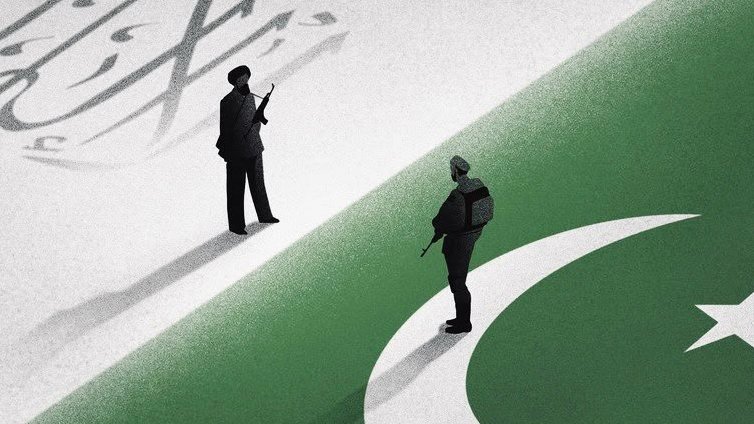
"Pakistani officials have repeatedly rejected and called out UNAMA Afghanistan's distorted record on Pakistani counterterrorism operations in Afghanistan. UNAMA has consistently parroted the Taliban Regime's propaganda on so-called civilian casualties. It is common sense that if, according to the Afghan Taliban, every Pakistani strike on terrorist TTP targets in Afghanistan seems to kill the same 10-15 children no one buries or gets to see, and no terrorists are ever found, than that is the singular hallmark of bullshit.Pakistan will not stop conducting counterterrorism strikes in Afghanistan at times and places of our choosing no matter the numbers given out by Taliban lackeys like UNAMA, whose salaries come with pre-conditions from the Taliban's dirty propaganda houses built on the blood of their own countrymen, women and children."
Recent statements by Pakistani officials have highlighted significant tensions regarding the portrayal of counterterrorism operations in Afghanistan. Specifically, the United Nations Assistance Mission in Afghanistan (UNAMA) has been accused of echoing the narratives propagated by the Taliban regime, particularly regarding alleged civilian casualties linked to Pakistani military actions against the Tehrik-i-Taliban Pakistan (TTP).
Pakistan's counterterrorism operations are aimed at dismantling threats posed by the TTP, a group known for its violent insurgency and attacks against the Pakistani state. Pakistani officials argue that the Taliban's reports on civilian casualties lack credibility, often reporting the same individuals as victims in multiple incidents, which raises questions about the accuracy and motives behind these claims. Pakistan emphasizes that its military strategies are essential for national security and target specific terrorist elements rather than civilian populations.
This situation underscores the challenges faced by Pakistan as it seeks to maintain stability in a region where the record surrounding military actions can be skewed and used as propaganda. The Pakistani government maintains that its operations are meticulously planned and executed with precision, aimed at ensuring the safety of its citizens and those in the region.
The international community has been watching closely as tensions rise between Pakistan and the Taliban-led government in Afghanistan. While UNAMA's role is to monitor the situation and report on humanitarian impacts, Pakistani officials have urged a more balanced and truthful representation of events. Various international stakeholders, including human rights organizations, have called for transparency and accountability in reporting military operations and their consequences.
Some diplomatic channels have might have been opened to facilitate dialogue between Pakistan and UNAMA, aiming to clarify misunderstandings and reduce tensions. Constructive discourse could lead to a framework for more accurate reporting and a better understanding of the regional security dynamics.
As Pakistan continues its counterterrorism operations, the government has asserted its resolve to act as necessary against TTP threats. This commitment reflects not only a national security imperative but also the overarching goal of promoting stability in the region. Pakistan is urged to engage with international bodies for understanding and collaboration, rather than confrontation over narratives.
Moving forward, it is essential for both Pakistan and international entities like UNAMA to work towards a common understanding of security challenges in Afghanistan. Striving for comprehensive, fact-based assessments will foster better cooperation and ultimately support peace-building efforts in the region. Transparency in operations and acknowledgment of humanitarian concerns will be key for Pakistan in maintaining its international standing while pursuing its security interests.

No comments yet. Be the first to comment!

Your trusted source for breaking news, in-depth analysis, and comprehensive coverage of today's most important stories.
Get daily updates on breaking news, exclusive interviews, and special features delivered to your inbox.
Have a news tip or want to get in touch with our editorial team? We're here to help.
Plot C3-C Jaypee Wishtown Sector 129 Noida Uttar Pradesh 201304 India