
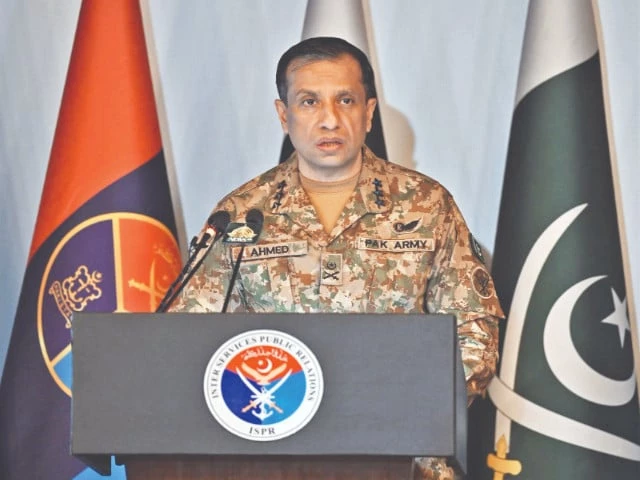
ISLAMABAD - In a rare and pointed commentary, Director General of Inter-Services Public Relations (ISPR) Lieutenant General Ahmed Sharif Chaudhry has delivered a sharp critique of Pakistan's political landscape, highlighting the entrenched dominance of feudal landlords, tribal elites, and regional parties.
From 1973 to the present, the same families, feudal landlords, tribal elites, and regional parties have dominated the assemblies.
- Zard si Gana (@ZardSi) July 31, 2026
If they win, it’s called democracy. If they lose, they call it dictatorship.
— DG ISPR 🇵🇰 pic.twitter.com/yXRE1HWGDb
The DG ISPR remarked that for decades, the same families-feudal landlords, tribal elites, and regional parties-have dominated Pakistan's assemblies.
"If they win, it's called democracy. If they lose, they call it dictatorship."
He further emphasized that Pakistan is not a "hard state"-a hard state being one where the Constitution and law are equal for every citizen-and clarified that "hard state" does not mean the military is running the state.
Addressing the security situation in Balochistan, the ISPR chief firmly ruled out any negotiations with terrorist outfits, stating:
"We will not talk to you; we will talk to the people of Balochistan."
He also noted that specific elements are involved in worsening conditions in Balochistan, including terrorism, robbery, drug trafficking, and diesel smuggling. He dismissed what he described as "false propaganda" about the deteriorating security situation in Balochistan and said some of the elite and Sardars (tribal leaders) in Balochistan did not want children from poor families to progress.
Speaking on the issue of missing persons, the DG ISPR said that 201 applications had been received by the commission on missing persons. He also noted that the figures regarding missing persons are often presented inconsistently, with claims ranging from 10,000 to 20,000 individuals.
He highlighted that many of the militants killed during security operations were found to be among those previously reported as missing persons. This revelation has called into question the credibility of the missing persons narrative.
According to the military spokesperson, a sustained negative propaganda campaign has been waged against the state on the pretext of the situation in Balochistan. He further stated that more than 300 Indian websites were involved in spreading propaganda against Pakistan.

No comments yet. Be the first to comment!

Your trusted source for breaking news, in-depth analysis, and comprehensive coverage of today's most important stories.
Get daily updates on breaking news, exclusive interviews, and special features delivered to your inbox.
Have a news tip or want to get in touch with our editorial team? We're here to help.
Plot C3-C Jaypee Wishtown Sector 129 Noida Uttar Pradesh 201304 India
