
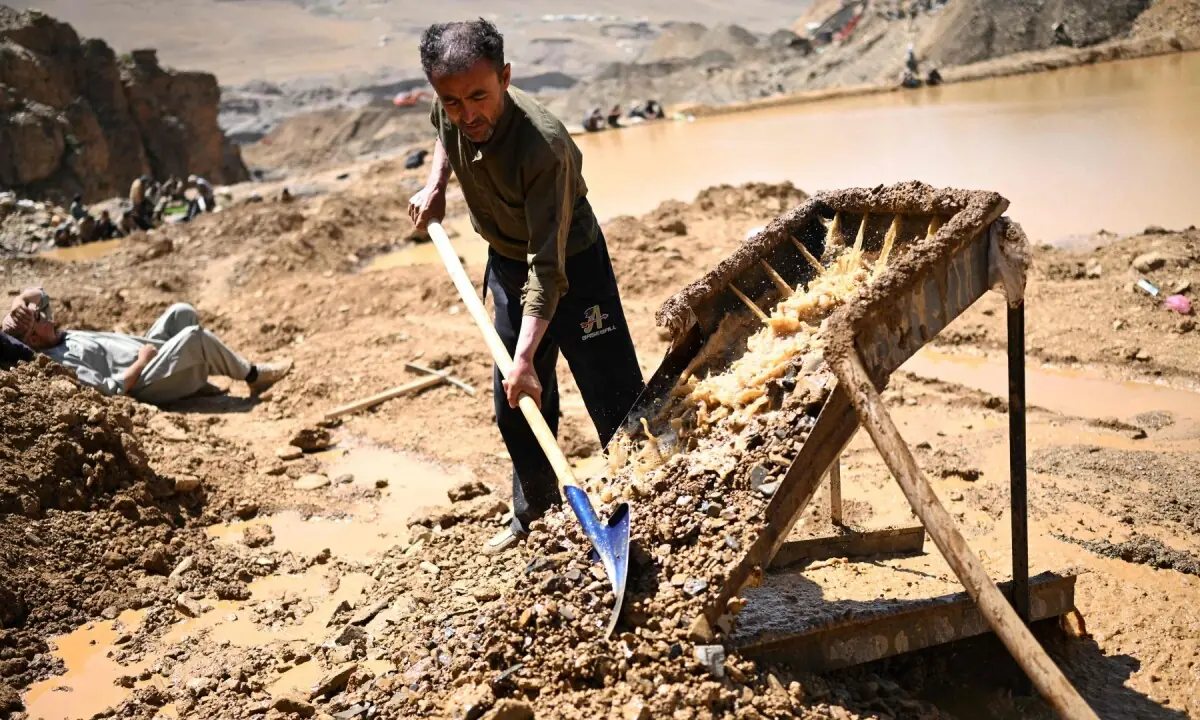
In Afghanistan’s northeastern Badakhshan province, dozens of excavators operate day and night to extract gold from the mountains where villagers and their livestock once roamed.
Thousands of miners are deployed across the Shiwa area, about 50 kilometres northeast of the provincial capital Faizabad, extracting gold for investors nationwide.
Some residents in the area have profited from the gold rush, only to regret it later, such as farmer Muhammad Amin.
“Before, the river was deep, the water was clean,” said the 74-year-old from Pul-i-Ziri Ban valley.
Since mining got under way, “the water of the river is not drinkable; you can’t even wash your body with that water”, he told AFP.
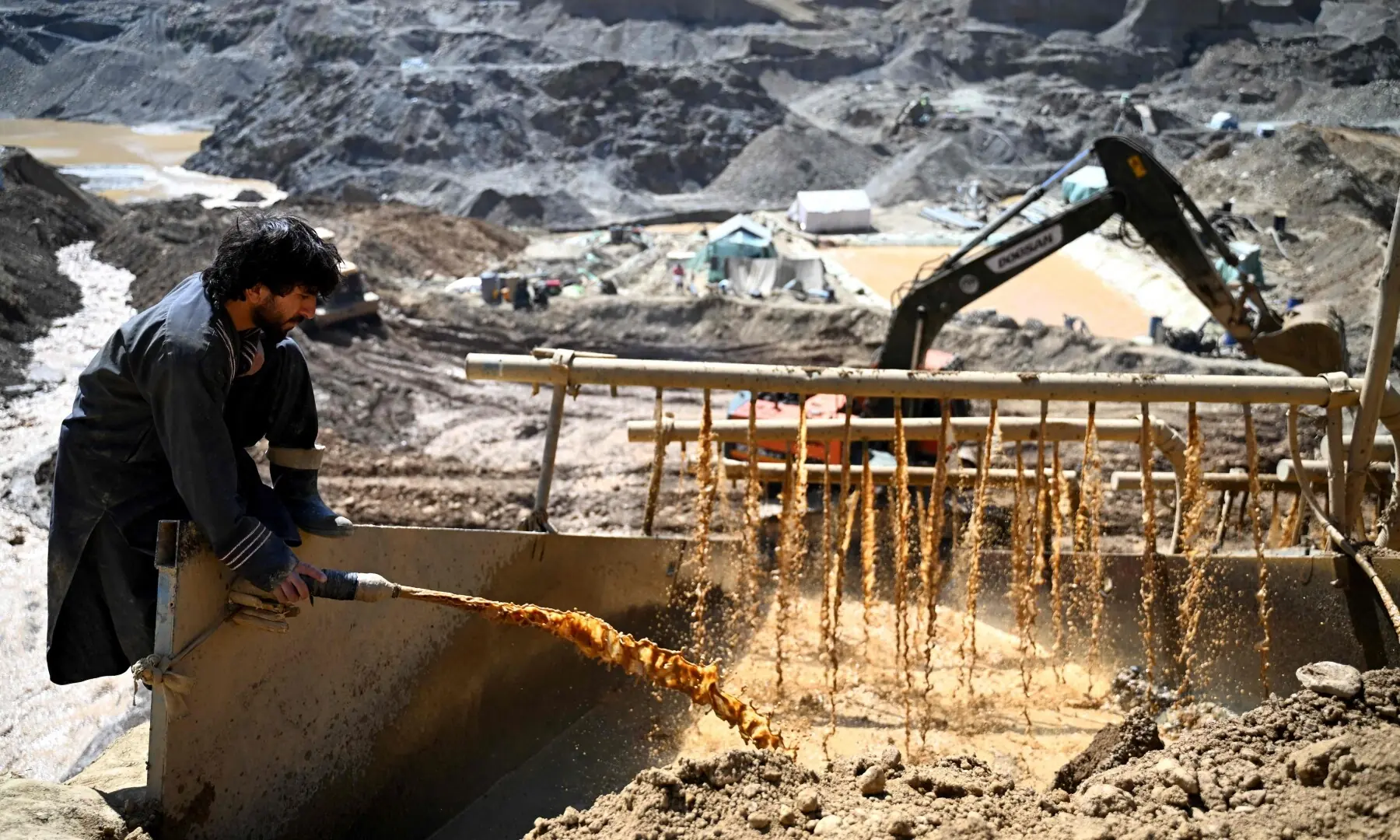
Mohammad Agha Khwaja Khail, from Kabul, has worked in mining for five years and earns 10,000 Afghanis ($150) a month loading trucks.
“It’s better than anything else … There aren’t many jobs in Kabul,” said the 21-year-old, above the din of diggers.
Shafiullah Ehsas, a father of five, transported his excavator hundreds of kilometres from Jalalabad about three months ago.
“In Jalalabad, the gold [mining] work hasn’t started, and it was happening in Badakhshan, so we didn’t have any other option but to bring our machinery here,” said the 32-year-old, who earns 25,000 Afghanis per month.
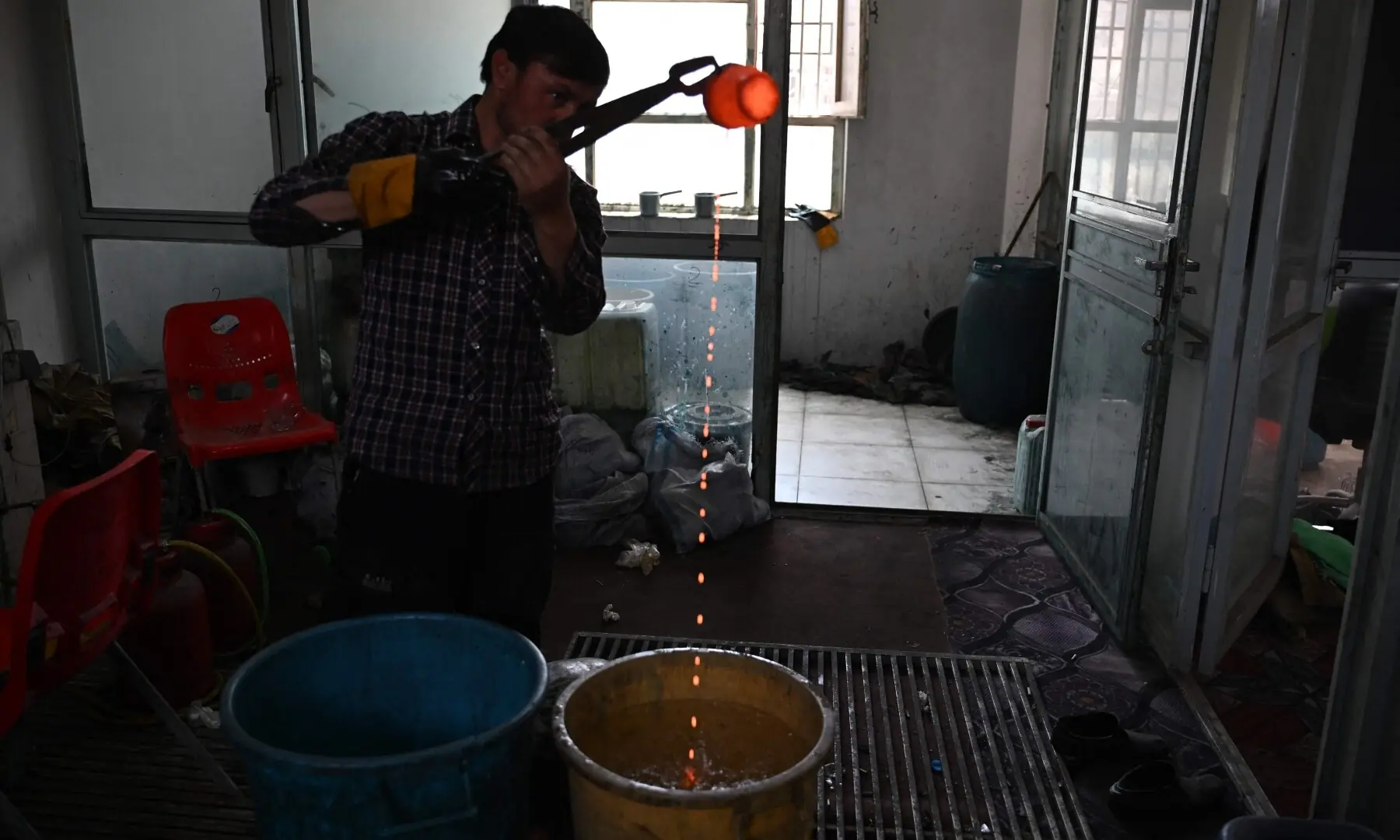
Fabrizio Foschini, a researcher at the Afghanistan Analysts Network, said during earlier decades of war, “mining mainly benefited insurgent groups, including the Taliban, and local strongmen with links to corrupt government officials”.
Mining firms are now taxed 20 grammes of gold per hectare per month, or the equivalent in cash, no matter their profits.
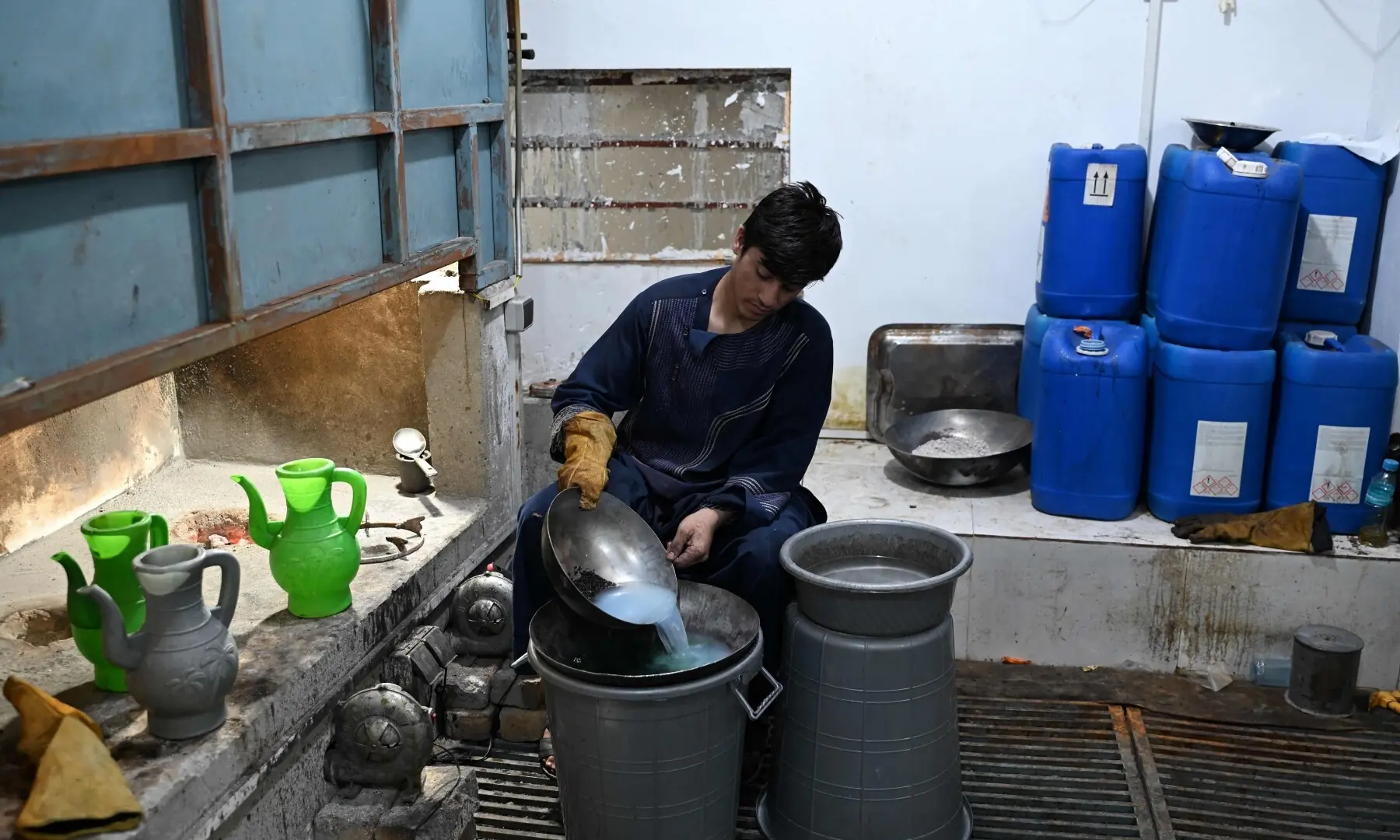
Rahimzai, head of the provincial mines department, said last year the government collected 112 kilogrammes of gold in Badakhshan.
According to miners who spoke to AFP, their sale price per gramme was around $118.
Rahimzai said that last year, “most of the mines were not registered, and there was no system to collect the fees from them”.
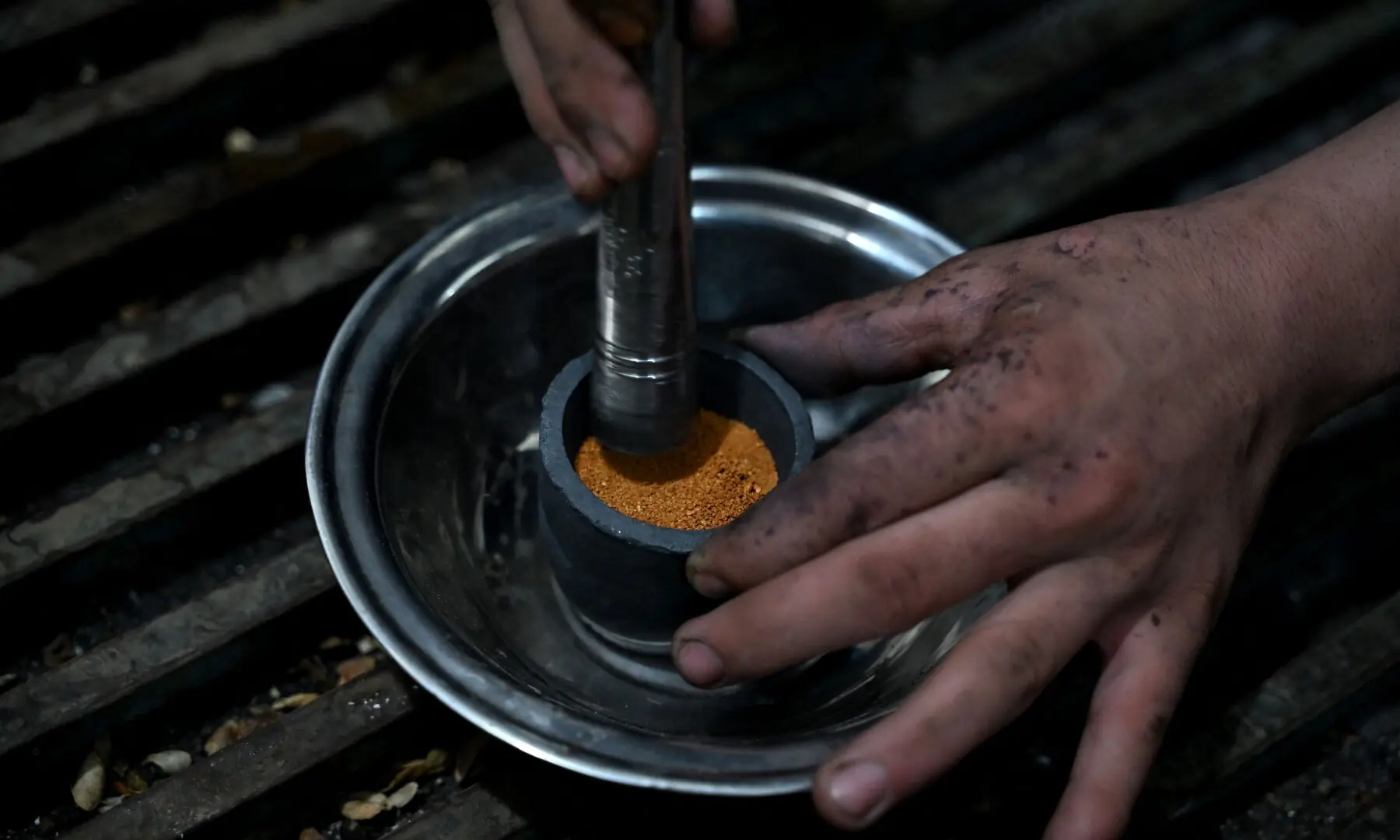
The provincial mining chief also pledged to tackle any corruption and ensure the “mineral resources of Badakhshan will be utilised properly and for the benefit of the people”.
Some parts of the province remain untouched, including a few kilometres from Shiwa where herder Fazil hoped the miners would stay away.
“Because it’s a place for people, for picnics, for livestock to graze,” he told AFP, giving only his first name for security reasons.

No comments yet. Be the first to comment!

Your trusted source for breaking news, in-depth analysis, and comprehensive coverage of today's most important stories.
Get daily updates on breaking news, exclusive interviews, and special features delivered to your inbox.
Have a news tip or want to get in touch with our editorial team? We're here to help.
Plot C3-C Jaypee Wishtown Sector 129 Noida Uttar Pradesh 201304 India